


Japan is a place that feels both impossibly fast and remarkably still. You might find yourself standing at the world’s busiest intersection in Shibuya one hour, and tucked away in a quiet, incense-filled temple in Kyoto the next. It’s this constant back-and-forth between the future and the past that makes traveling here so addictive.
This guide is all about cutting through the noise to find the best cities to travel in Japan for your specific itinerary. We’re looking at the spots that actually matter, while diving into the timing, the food, and the practical bits like how to actually talk to people that make a trip click.
How to Choose the Best Cities for Your Japan Trip
You can’t see it all in one go, so you have to be picky. The “best” city really depends on what you’re looking for and, more importantly, when you’re landing. This is also the stage where many travelers start thinking about how to pack for a trip to Japan, since the cities you choose will determine everything from footwear to outerwear. A Tokyo–Kyoto city combo in spring calls for light layers and comfortable walking shoes, while Hokkaido in winter demands serious cold-weather gear.
1. Best Cities by Season
If you’re here for the cherry blossoms, you’re looking at Tokyo or Kyoto around late March. But honestly? Autumn (November) is the real winner. The maples in Nara and Nikko turn a shade of red that doesn’t even look real. If you’re a skier, Sapporo in February is the move, while Okinawa is where you go in the summer to escape the city heat and hit the beach.
2. Best Cities by Travel Style
- The Urbanite: If you want late-night ramen, endless shopping, and weird subcultures, stick to Tokyo and Osaka.
- The Historian: If you want to see the Japan of samurai and geisha, prioritize Kyoto and Kanazawa.
- The Nature Lover: Head up to Hokkaido for the wide-open spaces or Nagano for the mountains.
3. For First-Time and Repeat Visitors
First-timers usually stick to the "Golden Route"—Tokyo, Hakone, Kyoto, and Osaka. It’s the classic intro for a reason. But if you’ve been before, try the Seto Inland Sea islands or the rugged coastlines of Kyushu.
If you’re deciding where to spend your limited time, these cities consistently deliver the most value for travelers.
4. Suggested Japan City Itineraries (3–5 Days / 7–10 Days)
Not sure how much you can fit into your calendar? Most travelers fall into two camps: the "high-speed highlights" and the "deep dives." Here’s how to mix and match Japan's top cities for a perfectly paced trip.
The 3–5 Day "Essentials" Blitz With just a few days, it’s best to stick to one region to avoid spending half your trip on a train.
Tokyo Deep Dive (5 Days): Spend 3 days exploring the core city (Shinjuku's neon, Shibuya's energy, and Asakusa’s old-school charm) and take a 1-day trip to Hakone for Mt. Fuji views or Kamakura for the giant Buddha.
- The Power Duo (5 Days): 2 days in Tokyo followed by a 2.5-hour Shinkansen ride for 3 days in Kyoto. This covers the "Old vs. New" contrast perfectly—from robot cafes to silent bamboo groves.
The 7–10 Day "Classic" Journey This is the sweet spot for first-timers. It allows you to see the big cities without feeling like you're constantly packing and unpacking.
- The Golden Route (10 Days): Tokyo (3 days) → Hakone (1 day) → Kyoto (3 days) → Nara (Day trip) → Osaka (2 days).
- The "Hokuriku" Loop (10 Days): Tokyo (3 days) → Kanazawa (2 days) → Kyoto (3 days) → Osaka (2 days). By adding Kanazawa, you swap the crowded temples for authentic samurai districts and some of the best seafood in the country.

Exploring Japan’s Top Cities
These are the big names you’ve heard of, but here’s what they actually feel like on the ground.
1. Tokyo: Modern Energy & Iconic Landmarks
Tokyo is a massive patchwork of neighborhoods. You’ve got the high-end glitz of Ginza, the teenage fashion chaos of Harajuku, and the grittier "piss alleys" of Shinjuku, where you can grab a beer and yakitori. It’s efficient, clean, and surprisingly quiet for a city of its size.
2. Kyoto: Temples, Tradition, and Culture
Kyoto is the heart of "Old Japan." It’s where you’ll find the iconic bamboo groves and the gold-leaf temples. Pro tip: wake up at 6:00 AM to see Fushimi Inari or the Kiyomizu-dera temple before the tour buses arrive—it’s a completely different experience in the morning mist.
3. Osaka: Food, Fun, and Urban Vibes
Osaka is Tokyo’s more relaxed, slightly louder cousin. The people here are funnier, the street food is better, and the vibe is way less formal. Spend your night in Dotonbori, eat some takoyaki, and just soak in the neon.
4. Hokkaido: Nature, Skiing, and Scenic Beauty
While technically a region rather than a single city, Hokkaido deserves its own place on the list. Hokkaido feels more like the Pacific Northwest than East Asia. It’s famous for its dairy, its massive crabs, and its powder snow. Whether you’re in Sapporo for the beer or Niseko for the slopes, it’s the place to go when you need a break from the crowds.
5. Okinawa: Beaches, Islands, and Relaxation
Way down south, Okinawa is Japan’s tropical backyard. It has its own language, its own food (try the bitter melon), and some of the best diving spots in the Pacific. It’s the perfect spot to decompress after a week of city-hopping.
Hidden Gems and Specialized City Picks
If you want to get away from the "standard" tourist track, these are the spots that usually end up being people's favorite memories.
1. History Lovers: Kanazawa and Nara
Kanazawa is home to one of Japan’s most beautiful gardens (Kenroku-en) and a preserved samurai district that feels like a movie set. Nara is famous for its giant Buddha, but most people remember it for the hundreds of wild deer that will bow to you in exchange for a cracker.
2. Adventure Seekers: Hakone and Nagano
Hakone is where you go to soak in an onsen while looking at Mt. Fuji. If you want something more active, Nagano offers world-class hiking and the famous "snow monkeys" that spend their winters chilling in hot springs.
3. Food Enthusiasts: Fukuoka and Kobe
Fukuoka is all about the Yatai—small, open-air food stalls that pop up along the river at night. It’s the best place in the world to eat Tonkotsu ramen. And Kobe? You’re there for the beef. It’s expensive, but it really does melt in your mouth.
Essential Travel Tips for Japan’s Cities
Japan is easy to navigate, but a few things can still trip you up.
1. Navigating with Shinkansen and Rail Passes
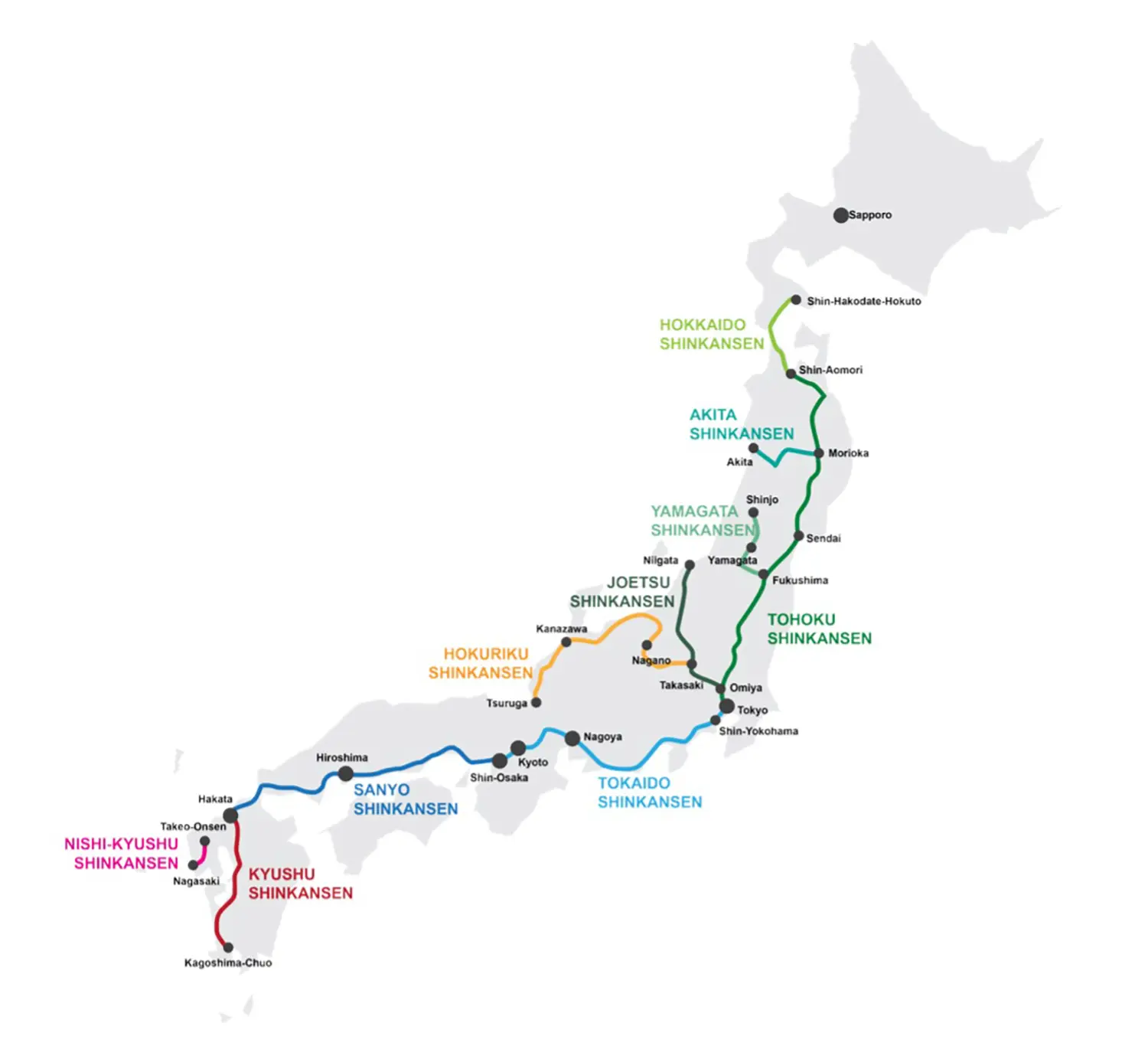
The Shinkansen (bullet train) is a miracle of engineering. It’s never late and it’s incredibly fast. If you’re doing a big loop (like Tokyo to Hiroshima and back), look into a JR Pass, but if you’re just staying in one area, individual tickets are usually better now.
2. Overcoming Language Barriers: Translators
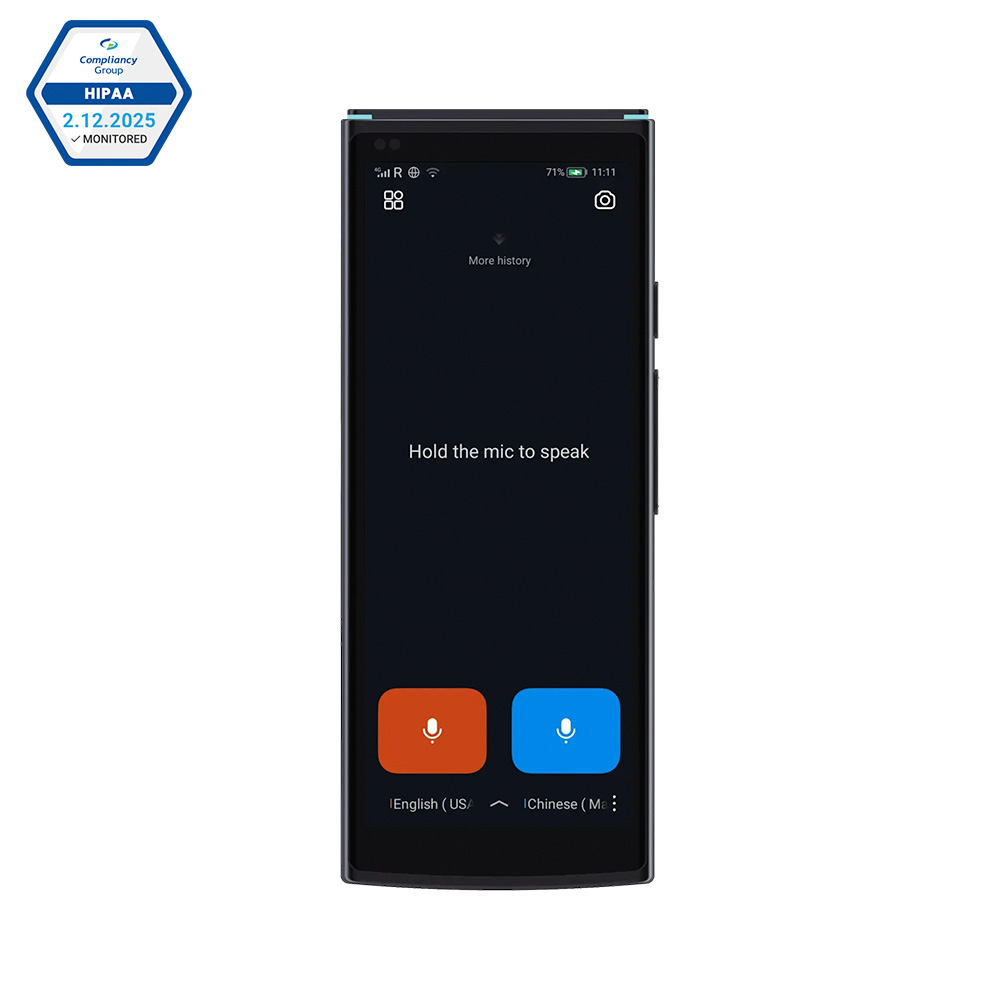
In big Tokyo hotels or high-end Ginza boutiques, English is usually fine. But the most authentic experiences, those tiny six-seat sushi bars in an alleyway or a family-run minshuku (guesthouse) in the mountains, happen in places where English isn't spoken at all. This is where the iFLYTEK Smart Translator becomes a non-negotiable part of your kit.
While most people rely on phone apps, those often fail the moment you lose signal or step into a noisy environment. The iFLYTEK smart translator is built specifically for real-world conversation. If you’re in a crowded Osaka market trying to ask a vendor about a specific ingredient, or if you need to explain a food allergy in a remote town, its noise-cancellation and accuracy are lifesavers.
Most importantly, its offline translation is a game-changer. In Japan, you’ll frequently find yourself in "dead zones" whether it’s the basement of a massive department store, a rural shrine in the Nagano hills, or deep inside a concrete-walled Izakaya. Because it doesn't need a constant Wi-Fi or data connection to work, it turns "guessing" into "knowing," ensuring you can communicate even when you’re completely off the grid.
3. Budget Travel Tips
Don't sleep on the convenience stores (7-Eleven, Lawson, FamilyMart). The food is actually good, and it’s the cheapest way to eat breakfast or a quick lunch. Also, look for "Business Hotels"—they are small, but they’re cheap, clean, and always near a train station.
Conclusion
At the end of the day, Japan is a "choose your own adventure" kind of country. You can go for the neon lights of Tokyo and the street food of Osaka, or you can head for the quiet temples of Kyoto and the mountain air of Nagano. The trick is to not overthink it—mix a few of the best cities to travel in Japan with a couple of hidden gems like Kanazawa, use the Shinkansen to get around, and keep a tool like the iFLYTEK Smart Translator in your pocket. Having a reliable way to talk to the locals you meet along the way is how you find the stories that aren't in the guidebooks.
FAQs
1. Is the Japan Rail Pass Worth It for City-Hopping?
Not automatically anymore. Since the 2023 price hike, you need to be traveling a lot of distance to make it pay off. Map out your route on a fare calculator first.
2. Which City is Best for First-Time Solo Female Travelers?
Kyoto or Tokyo. They are incredibly safe, and most places are very used to solo diners.
3. What Are Most Affordable Major Cities to Visit?
Fukuoka is great for the budget-conscious. Food and hotels are noticeably cheaper there than in the capital.
4. Are English Speakers Easily Understood in Major Cities?
Usually yes at major tourist sites, but it drops off quickly in local shops. Having a backup plan for translation is always smart.
5. Can Pocket Translators Work in Remote Areas?
A good one like the iFLYTEK Smart Translator has offline modes, so it works perfectly even when you're deep in the countryside without Wi-Fi.
6. Is Japan actually expensive?
It’s a bit of a myth that Japan is prohibitively expensive. While high-end sushi and luxury hotels can cost a fortune, you can find incredible ramen for $7 and clean business hotels for $60. The exchange rate in 2025 remains quite favorable for many travelers, making it more affordable than many major Western cities.
7. How many cities is too many for one trip?
If you have two weeks, trying to hit more than 4 major cities can start to feel like a "luggage-moving tour." A good rule of thumb is at least 3 nights per major hub (like Tokyo or Kyoto) to actually see the sights instead of just the inside of train stations.