
The new F-1 visa rules for 2026 are scheduled to take effect on September 15, 2026, replacing duration of status (D/S) with fixed admission periods for many F-1 students. Under the new framework, the I-94 Admit Until Date will become much more important when planning study, travel, OPT, STEM OPT, and extensions of stay. Students should identify which rules apply to their situation and check current DHS, USCIS, and school guidance before making immigration decisions.
What Changes Under the New F-1 Visa Rules in 2026?
The biggest change is that F-1 students entering under the new framework will receive a defined period of authorized stay instead of open-ended D/S.
Fixed Admission Rules Begin September 15, 2026
DHS published the final rule on July 17, 2026, with an effective date of September 15, 2026. Students admitted or readmitted under the new framework will generally receive a fixed period of authorized stay rather than D/S. Students traveling internationally around the effective date should confirm the latest guidance before relying on previous admission rules.
I-94 Will Show an Admit-Until Date
The I-94 will show an Admit Until Date that determines the student's authorized admission period. This date is different from the expiration date printed on an F-1 visa, which is primarily relevant when requesting entry to the United States. Students should therefore check their I-94 after each entry instead of using the visa expiration date to determine how long they may stay.
Admission Matches Program Length, Up to Four Years
For most F-1 students, the admission period will follow the program dates on Form I-20, subject to a maximum of four years. The 30-day period before the program begins and the 30-day departure period after completion do not count toward that four-year maximum. Students in certain categories may face different limits, including an aggregate 24-month limit for English language training programs.
The F-1 Departure Period Drops to 30 Days
For students admitted under the fixed-period framework, the standard post-completion departure period changes from 60 days to 30 days. This period generally follows completion of the academic program or authorized practical training. Students planning departure, a qualifying change, or another immigration filing will therefore have less time after completion than under the previous system.
New Limits on Transfers and Program Changes
Students below the graduate level generally must complete the first academic year before transferring schools or changing educational objectives unless SEVP authorizes an exception for qualifying circumstances. Graduate students face stricter limits on transfers and changes of educational objectives, and students who complete a program after September 15, 2026 generally cannot use F-1 status to begin another program at the same or a lower educational level. DHS may delay or suspend implementation of certain transfer and educational-objective provisions through September 14, 2028, so students considering these changes should check current SEVP guidance before acting.
How the New Rules Apply to Different F-1 Students
The practical impact depends on when a student was admitted, whether the student travels internationally, and whether study or training continues beyond the authorized period.
Students Entering or Re-Entering After September 15
Students entering or re-entering the United States on or after September 15, 2026 should expect admission under the fixed-period framework. Their admission will generally follow the program dates on Form I-20, subject to the applicable maximum period. After each entry, students should review the new I-94 and confirm the Admit Until Date rather than assuming an earlier D/S admission still controls their stay.
Current Students Admitted for D/S
Students properly maintaining F-1 status who were admitted for D/S before the new rule takes effect receive transition treatment. Their authorized stay generally continues based on the applicable Form I-20 program end date or EAD expiration date, subject to the four-year transition limit, and they retain the 60-day departure period associated with their previous D/S admission. International travel after September 15 can result in a new fixed-period admission, so students relying on the transition rules should review their documents with their DSO before leaving the United States.
Programs Extending Beyond Authorized Stay
An updated Form I-20 does not by itself extend a student's authorized stay beyond the period granted by immigration authorities. Students who need additional time to complete an eligible program must obtain the required DSO recommendation and timely request an extension of stay when necessary. This may be especially important for programs lasting longer than the student's admission period or for qualifying academic or medical delays.
Students Planning OPT or STEM OPT
OPT and STEM OPT remain available, but students will need to pay closer attention to both employment authorization and their authorized period of stay. Under the new framework, the post-completion OPT filing period after the program end date is reduced from 60 days to 30 days, and the requested OPT start date generally cannot be more than 30 days after the program end date. Qualifying students who timely file eligible post-completion OPT or STEM OPT applications on or before March 18, 2027 may use a transition provision that avoids a separate Form I-539 for the requested training period.
How the F-1 Extension of Stay Process Works
A visa renewal and an extension of stay are not the same thing. Under the fixed-period system, students who need more time in F-1 status may have to take an additional immigration step instead of relying only on an updated Form I-20.
When an Extension of Stay Is Required
An extension of stay may be required when an academic program, eligible practical training, or another qualifying activity continues beyond the student's current authorized admission period. The DSO handles the required school-side recommendation and Form I-20 updates, while USCIS decides an extension request filed from within the United States. Students should begin this process early enough to complete both school and immigration requirements.
File Before Your Stay Expires
A student seeking additional time to complete an academic program should work with the DSO before the current program end date so the required recommendation and updated Form I-20 can be completed on time. Any required extension-of-stay application must also be filed within the applicable authorized-stay deadline. Students should plan from the I-94 and relevant transition dates rather than the expiration date printed on their F-1 visa.
While Your Application Is Pending
A properly and timely filed extension-of-stay application generally allows an eligible student to remain in an authorized period of stay while USCIS reviews the case. The student may generally continue a full course of study, but a pending extension does not automatically extend every type of employment or practical-training authorization. Students relying on employment authorization during this period should confirm the rules that apply to their specific activity.
Travel and Program Changes During Extension
International travel while an extension request is pending can affect the student's admission period and, in some situations, the pending application. Reentry under a new Form I-20 or a newly issued admission period may change how USCIS treats the existing extension request. Students with a pending filing should therefore review their I-20, I-94, visa, planned travel, and USCIS case with their DSO before departing the United States.
What Students Should Check Before the New Rules Take Effect
Preparation does not require memorizing every part of the final rule. The priority is to identify the documents and dates that determine when action may be needed.
Check Your I-94 Expiration Date
Retrieve the most recent I-94 and check whether it shows D/S or a specific Admit Until Date. After any future international trip, review the newly issued I-94 again. If the information does not match what you expected, address the issue promptly rather than relying on a previous admission record.
Map Graduation, OPT, and STEM OPT Dates
Put the program end date, expected graduation, OPT filing window, requested training period, possible STEM OPT dates, and authorized-stay deadline on the same timeline. Seeing these dates together makes it easier to identify whether planned study or employment could extend beyond the current admission period. It also reduces the risk of waiting until the end of a program to discover that another filing is required.
Review Your Plans With Your DSO
Discuss delayed graduation, transfers, changes of program, OPT, STEM OPT, and international travel with your DSO before taking action. The DSO can explain the SEVIS and Form I-20 steps that apply to your school record. Students with complicated immigration histories, previous status issues, or USCIS denials may also need advice from qualified immigration counsel.
Build a Personal Immigration Timeline
Track the I-20 program dates, I-94 Admit Until Date, passport validity, visa expiration, EAD dates, USCIS filing windows, and planned international travel separately. Do not treat these dates as interchangeable, because they serve different purposes. A simple personal timeline can make upcoming deadlines easier to identify and discuss with a DSO.
Getting Ready for Back to School?
Immigration planning is only one part of getting ready for a new semester. Once your key dates and documents are organized, you can turn your attention to classes, lectures, study materials, and everyday communication on campus.
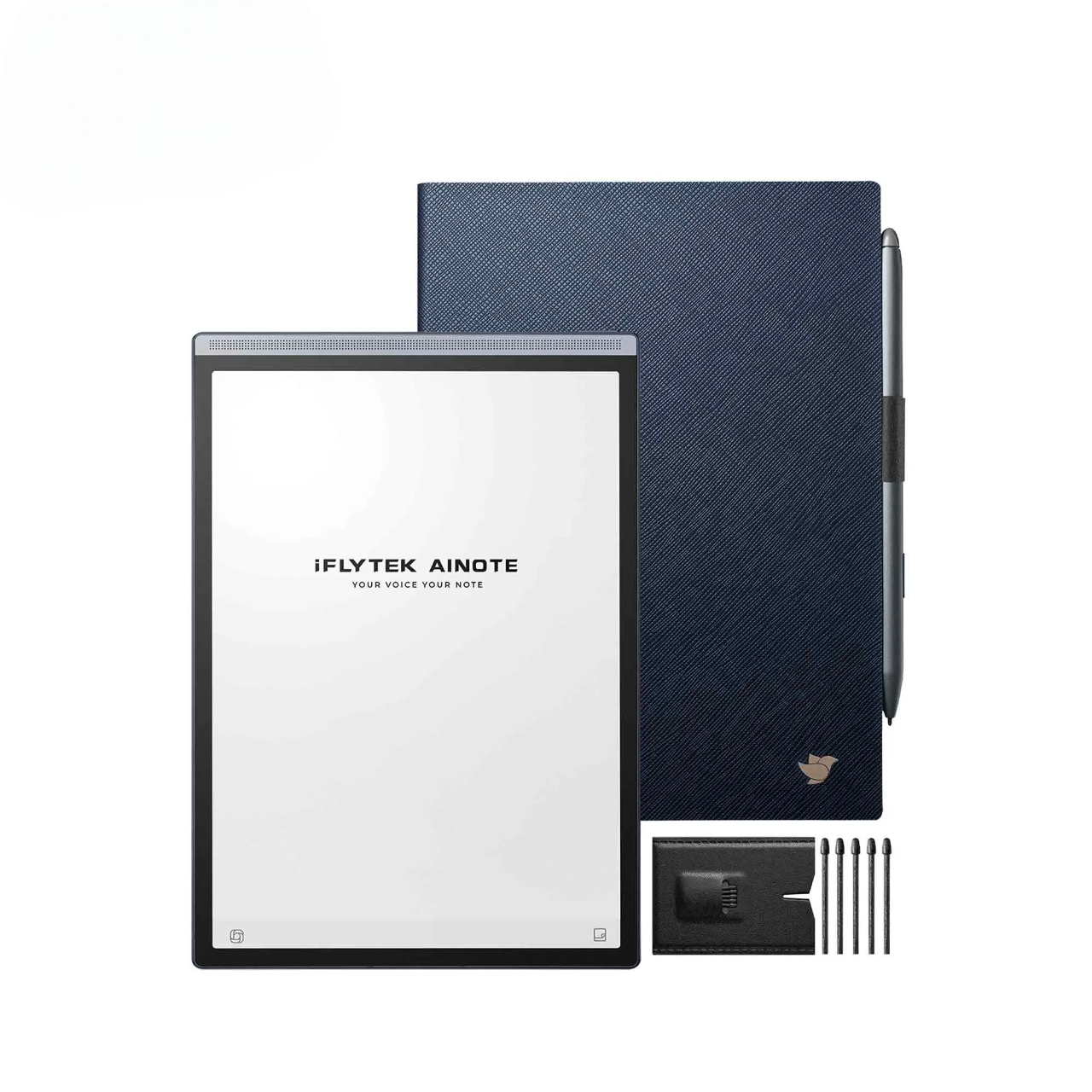
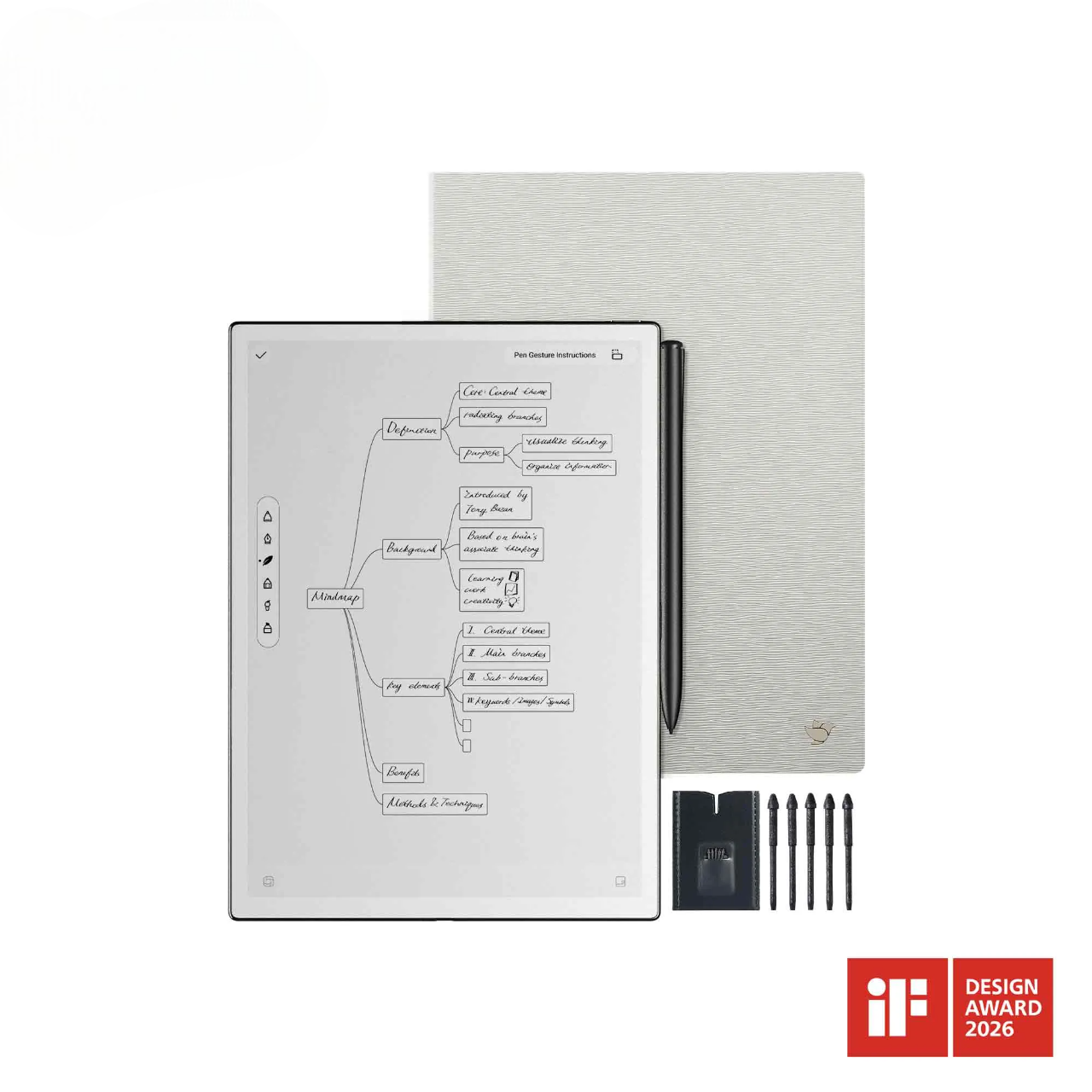
The iFLYTEK Smart Recorder can help capture lectures and turn recordings into useful notes, while the iFLYTEK AINOTE 2 helps keep study materials and ideas organized. For multilingual conversations on campus or while settling into daily life, the iFLYTEK Smart Translator can provide additional language support. Explore the latest iFLYTEK Back-to-School offers for more tools for the new semester.
FAQ
Do the 2026 Changes Affect F-1 Visa Renewal Rules?
The changes primarily affect admission periods and extension-of-stay procedures rather than the basic visa renewal process handled by the Department of State. Students planning international travel should separately confirm both their authorization to remain in the United States and the visa documentation required to seek reentry.
How Do the New Rules Affect F-2 Dependents?
An F-2 dependent's authorized stay cannot generally extend beyond the authorized period of the principal F-1 student. When additional time is needed, eligible dependents may need to be included in the principal student's extension process or submit the appropriate extension application.
What Happens If My Extension of Stay Is Denied?
A denial can have immediate immigration consequences if the student's previous authorized admission period has already ended. Students should review the USCIS decision promptly with their DSO and, when appropriate, qualified immigration counsel rather than assuming another filing automatically extends their stay.
What If I Finish My Program Before My I-94 Date?
Finishing a program early does not generally allow a student to remain until a later I-94 date simply because that date appears on the admission record. Under the fixed-period framework, the applicable post-completion period generally begins when the program or authorized training actually ends.
What Should I Do If My I-94 Has an Unexpected Date?
Check the I-94 against your Form I-20 and recent entry information as soon as possible. If the date appears inconsistent with your admission documents or expected period of stay, contact your DSO promptly and follow the appropriate process for addressing the record rather than waiting until the date approaches.
Conclusion
Preparing for the 2026 F-1 visa rule changes starts with knowing which date controls your authorized stay. Keep the I-94, Form I-20, program dates, OPT or STEM OPT plans, and international travel on one timeline, and address possible extensions or program changes early. Because the new framework takes effect on September 15, 2026 and implementation guidance may continue to develop, students should confirm important decisions with their DSO and current government guidance.