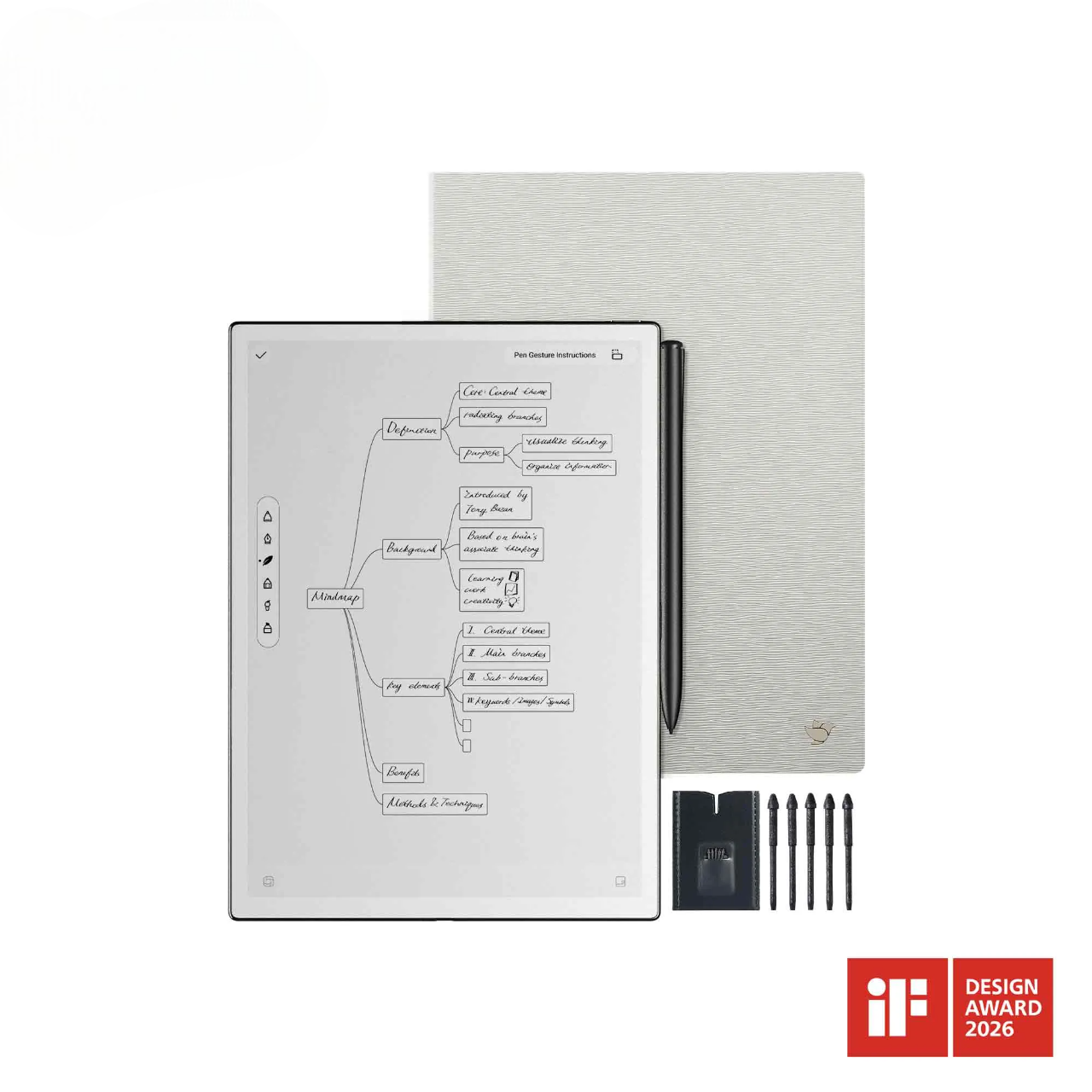

An objective summary is a clear, condensed account of the most important information in a source, without personal opinions or unnecessary detail. It helps you capture what was discussed, explained, or decided while preserving the original meaning. Whether the source is a meeting, an interview, or a lecture, the goal is the same: identify the essential points and present them in a neutral, easy-to-review format.
Where Are Objective Summaries Most Useful?
Objective summaries are useful whenever a large amount of spoken or written information needs to be reviewed later. The focus changes by situation. A meeting summary supports action, an interview summary preserves key responses, and a study summary helps organize knowledge for future review.
Meetings and Team Discussions
In meetings, an objective summary helps turn a long discussion into a practical record of what happened. It should capture the main topics, decisions, assigned tasks, and important deadlines without adding personal interpretation. This gives colleagues a reliable reference after the meeting and reduces confusion about responsibilities or next steps.
Interviews and Research Conversations
For interviews and research conversations, an objective summary should preserve the speaker’s main ideas, explanations, and relevant evidence as accurately as possible. It can highlight important responses and recurring themes, but it should not change the meaning of what was said. This is especially important when the summary may be used for analysis, reporting, or future comparison.
Lectures, Courses, and Study Notes
In academic settings, an objective summary helps condense a lecture or reading into its core concepts, definitions, examples, and supporting points. Instead of copying everything, you can focus on the information needed to understand the topic and review it efficiently later. A well-structured summary also makes it easier to connect ideas across lessons and prepare for assignments or exams.

What Should an Objective Summary Include?
An objective summary should present the most important information from the original source in a concise, factual, and easy-to-follow format. It does not need to repeat every detail. Instead, it should help readers quickly understand what was discussed, explained, or decided.
A strong objective summary usually includes:
- Main topic or purpose: What the meeting, interview, lecture, or source is primarily about.
- Key points: The central ideas, explanations, or issues that are necessary to understand the content.
- Supporting details: Important examples, evidence, or context that clarify the key points.
- Decisions or outcomes: Any confirmed conclusions, agreements, or findings, when relevant.
- Next steps: Tasks, responsibilities, or deadlines that need follow-up, especially in meeting summaries.
Keep the information in a logical order and use neutral language throughout. Avoid opinions, emotional wording, or assumptions that were not part of the original source. The final summary should be accurate enough to rely on and brief enough to review quickly.
How to Write an Objective Summary Step by Step
An objective summary is easier to write when you follow a clear process. Start with the source, identify what matters, write only what the source supports, and check the final version for accuracy. These steps apply whether you are summarizing a meeting, an interview, or a set of study notes.
Step 1: Review the Original Content
Read the source carefully or review the recording, transcript, or notes before you begin writing. First, identify the main purpose. Then look for the points that shape the meaning of the content, such as a meeting decision, an interview response, or a central idea from a lecture. Do not start summarizing until you understand the overall direction.
Step 2: Identify the Information That Matters Most
Separate essential information from background detail. Keep the main topic, key explanations, supporting facts, conclusions, and action items when relevant. When you properly transcribe an interview, this means retaining decisions, deadlines, or key insights while removing repeated comments, side discussions, and examples that do not affect the main message. For study notes, it means keeping definitions and core concepts.
Step 3: Rewrite the Key Points in Neutral Language
Present the information in your own words without adding opinions or assumptions. Use factual language that reflects the source directly. For example, instead of writing, “The team wisely decided to delay the launch,” write, “The team decided to delay the launch.” The second version reports the decision without judging it.
Step 4: Check the Summary Against the Source
Before using or sharing your summary, compare it with the original material and check:
- Names: Confirm that people, organizations, and key terms are written correctly.
- Dates and numbers: Verify deadlines, figures, statistics, and other specific details.
- Key statements: Make sure important ideas are represented accurately.
- Decisions: Check that conclusions or agreements match the original discussion.
- Assigned tasks: Confirm responsibilities and follow-up actions, when relevant.
- Missing or added information: Remove unsupported explanations and restore any essential point that was left out.
A final review keeps the summary concise, accurate, and faithful to the original source.
Turning Recorded Meetings and Interviews into Clear Summaries
Recorded content is easier to summarize accurately when the review process begins with a reliable source. The iFLYTEK AI Recorder S6 supports a workflow that moves from full audio capture to transcription, AI-assisted organization, and final verification, significantly improving efficiency.
Capture the Full Conversation Before Summarizing
Meetings, interviews, and presentations can include key statements, explanations, and decisions that are difficult to capture from memory alone. Recording the full conversation gives you an original source to review before writing an objective summary.
iFLYTEK AI Recorder S6 offers four recording modes: Meeting, Interview, Speech, and Original Sound, so you can choose a mode that matches the type of spoken content you need to revisit later. Its eight-microphone array also supports long-range capture up to 20 meters, which can help in larger meeting rooms or event settings, reducing the time spent reconstructing details manually.
Review Spoken Content Through Transcription
After recording, a transcript allows rapid scanning for central ideas, confirmed decisions, important quotes, task assignments, or explanations supporting the main topic. Real-time online and offline transcription ensures that work continues efficiently, even without internet access.
Generate a First Draft and Verify the Key Facts
Once the key information is identified, use AI to generate a first-draft summary. The voice recorder device produces meeting summaries, keywords, speaker highlights, and to-do lists, turning long recordings into structured, easily reviewable documents. By verifying names, dates, numbers, statements, decisions, and follow-up actions against the transcript or recording, you ensure accuracy while drastically reducing repetitive reading and manual organization—so you can act on meeting outcomes more quickly and efficiently.

Common Mistakes to Avoid When Writing an Objective Summary
An objective summary should make the original content easier to review, not change its meaning. The most common errors usually happen when opinion, excessive detail, or unchecked information enters the final version.
Adding Personal Opinions
An objective summary should report what happened or what was stated, without judging whether it was good, surprising, or effective. Avoid words that add personal evaluation, such as excellent, poor, wisely, or unfortunately. For example, write “The team postponed the launch until June” instead of “The team wisely postponed the launch until June.”
Repeating the Transcript Instead of Summarizing It
A transcript records the conversation in detail, while a summary identifies what matters most. Copying long exchanges or listing every comment makes the document harder to review. Instead, keep the main topic, essential explanations, confirmed decisions, and relevant next steps, then remove repeated discussion and side comments.
Leaving Out Important Outcomes
A summary may describe the discussion accurately but still be incomplete if it leaves out the result. In meetings, include confirmed decisions, assigned tasks, and deadlines. In interviews, preserve the main answers or findings. In study notes, capture the central conclusion or concept that the material was intended to explain.
Using AI Output Without Checking the Source
AI can help organize recorded content into a readable first draft, and AI translation tools can assist in multilingual meetings. However, the summary should still be checked against the original recording or transcript. Review names, dates, figures, speaker meaning, decisions, and follow-up tasks before using the content, especially when it guides work, supports research, or will be shared with others.
FAQ
Can Meeting Action Items Be Included in an Objective Summary?
Yes. When action items are part of the meeting outcome, include the task, the responsible person or team, and the deadline when available. Keep the wording factual and only include actions that were actually confirmed during the discussion.
How Long Should an Objective Summary Be?
An objective summary should be long enough to preserve the essential meaning and short enough to review quickly. A short lecture or interview may need one paragraph, while a detailed meeting may require several sections for decisions and next steps. Focus on key information rather than a fixed word count.
Is an AI Recorder Useful for Meeting and Interview Summaries?
Yes. An AI recorder can help by preserving the full conversation, creating a transcript, and organizing key information into a first-draft summary. For example, the iFLYTEK AI Recorder S6 provides Meeting and Interview recording modes, online and offline real-time transcription, and AI support for summaries, speaker highlights, keywords, and to-do lists. After generating a summary, compare it with the original recording or transcript before sharing it.
What Is the Difference Between an Objective Summary and a Transcript?
A transcript records spoken content in detail, often line by line or speaker by speaker. An objective summary condenses that source into the main ideas, outcomes, and relevant details using neutral language. Use a transcript when exact wording matters, and use a summary when you need a faster way to understand or act on the content.
Conclusion
An objective summary helps turn long meetings, interviews, lectures, and study materials into information that is easier to understand and use. Start with the original source, identify the points that matter, rewrite them in neutral language, and verify the final version before relying on it. For recorded conversations, transcription and AI-assisted drafting can make the process more efficient, but accuracy still depends on careful review.