
From global business and international travel to online content and personal chats, the need for fast and accurate translation is more important than ever. By 2025, AI will have totally changed the game, giving us powerful tools that once seemed like something out of sci-fi. But with so many options out there, how do you pick the right one?
This article takes a look at the top AI translation tools of 2025, breaking down their unique features, strengths, and weaknesses. We’ll compare the best software options and introduce a game-changing hardware solution for serious users.

4 Best AI Translation Tools in 2025
Many translation apps and websites are available, but a few stand out for their accuracy, speed, and functionality. These tools use advanced AI and machine learning to provide a better user experience.
1. DeepL Translate
DeepL Translate is famous for its smooth, natural translations. It uses a strong neural network to understand context and idioms, so the translations feel more like they were written by a person. It works really well with European languages like German, French, and Spanish. For instance, an international lawyer can count on DeepL to translate complex legal documents accurately, saving time on edits. The interface is simple and user-friendly, which is why it’s so popular with professionals, academics, and writers who need top-notch translations.
2. Google Translate
Google Translate is the most widely used translation tool out there. It’s fast, versatile, and supports over 100 languages, so you can use it for just about anything. If you're in Japan and can't read a menu, just snap a photo with Google Translate’s camera feature for an instant translation. Need to have a chat with a local? The real-time conversation mode makes it super easy. While it might not capture deep context like DeepL, its extra features—like handwriting translation, offline packs, and web page translation—make it a go-to tool for travelers and everyday use.
3. ChatGPT
ChatGPT is not a traditional translation tool, but it’s a strong and flexible alternative. Built on a large language model, it can do more than just translate word-for-word. You can ask ChatGPT to translate a text and also change its tone, summarize it, or rewrite it for a specific audience. For example, a marketing professional could say, "Translate this product description into Spanish, but make it friendly and casual, like for a social media post." This ability to adjust tone and context makes ChatGPT useful for content creators and writers. However, its accuracy may not be as good with technical or specialized languages, as it’s not designed for pure translation.
4. Microsoft Translator
Microsoft Translator is a reliable tool, especially for business and enterprise users. It works well with the Microsoft ecosystem, including Office 365, Skype, and Edge, making it easy for users already in that environment. One of its strengths is multi-device sync, which lets you use your phone to translate a conversation in a room, with the text showing up on your laptop or smart screen. This feature is great for international meetings or conferences. Microsoft Translator also offers offline language packs and a real-time conversation mode that can support up to 100 people, making it ideal for group settings.
Limitations of AI Translation Tools
While the AI tools mentioned above are powerful, they have limitations. It’s important to understand these drawbacks to choose the right tool and set expectations.
The biggest challenge for AI translators is handling cultural context, idioms, and humor. A phrase that’s fine in one language may have a different meaning or be rude in another. AI often struggles with these details, which can lead to awkward or offensive translations. For example, a joke with a pun may not work when translated by a machine.
AI tools can also make mistakes with technical or specialized texts. Although DeepL is good, translating a specific medical report or engineering document may still result in errors because the AI wasn't trained on that specialized vocabulary. Privacy is another concern, as many cloud-based tools send your data to their servers. Lastly, advanced features often require a stable internet connection, which can be an issue when traveling or in remote areas.
Best Alternatives to AI Translation Tools: iFLYTEK Smart Translator
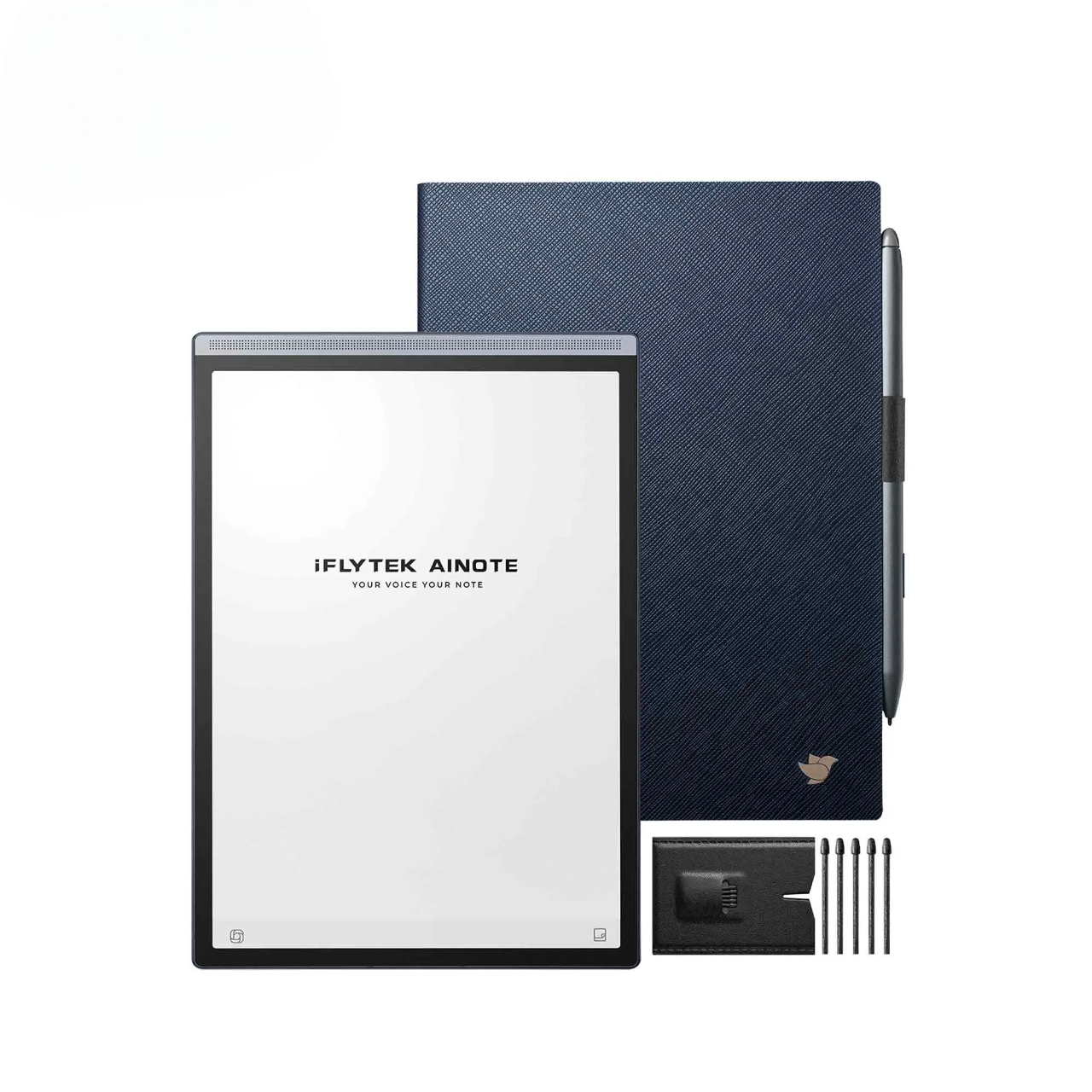
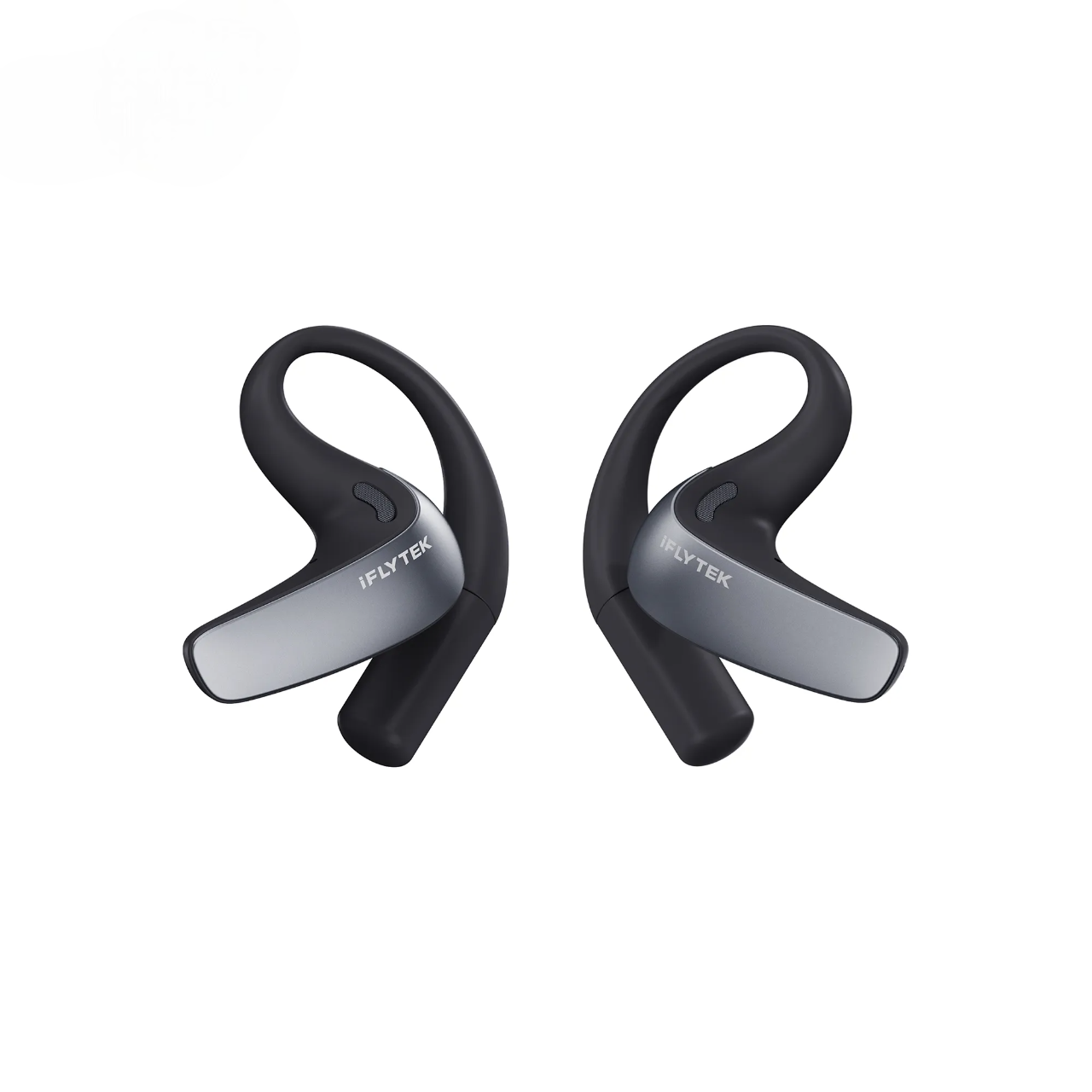
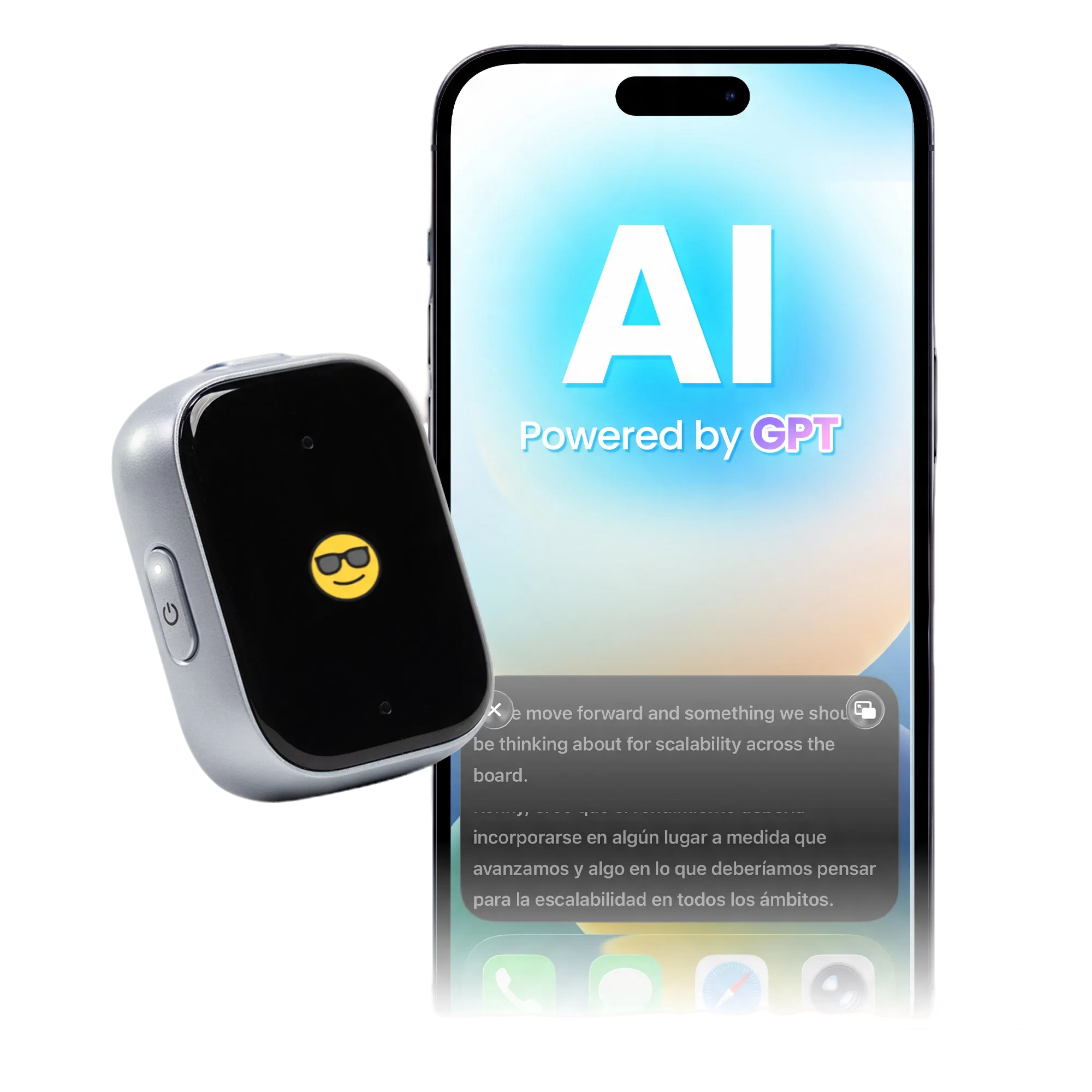
If you need a tool that goes beyond the limitations of software-based apps, especially for professional use, serious travel, or high-stakes conversations, a dedicated hardware device is the way to go. That’s where the iFLYTEK Smart Translator comes in, combining the power of AI with the reliability and security of a standalone device.
The iFLYTEK Smart Translator is built for real-world use. It solves the key issues with app-based translators by offering offline translation for dozens of languages, so you’re never stuck without Wi-Fi. This is a lifesaver when you're in a remote village or on a subway with no signal.
Its standout feature is its ability to handle real-time, two-way conversations with impressive accuracy. Imagine you’re at a business dinner with a client who speaks Mandarin. The iFLYTEK device picks up your speech, translates it instantly, and speaks your response back in your ear, and vice versa. It’s a smooth experience that feels way more natural than passing a phone back and forth. The device also includes specialized dictionaries for fields like law and medicine, making it highly accurate for dealing with complex professional terms.
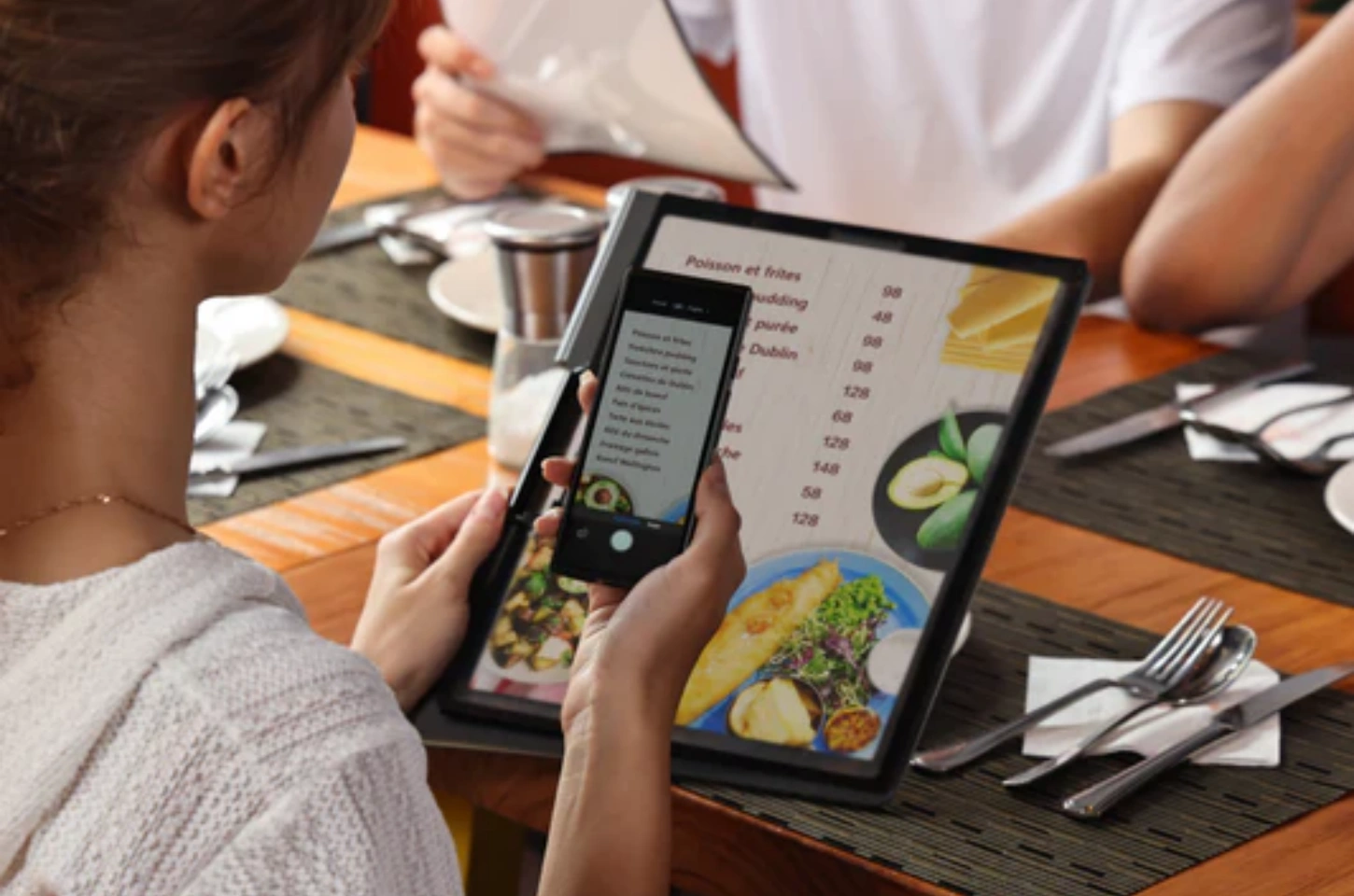
In addition to conversations, it also offers a powerful photo translation feature for things like menus, signs, and documents, plus voice recording transcription. It’s the perfect all-around tool for global professionals or serious travelers.
AI Translation Tools vs iFLYTEK Smart Translator
The choice between a software app and a dedicated device often comes down to your specific needs. Here's a quick comparison to help you decide.
|
Feature |
AI Translation Apps (Google, DeepL, etc.) |
iFLYTEK Smart Translator |
|
Portability |
Requires a smartphone; uses phone battery. |
A dedicated, compact device with its own long-lasting battery. |
|
Offline Capability |
Limited offline language packs; core functionality needs internet. |
Strong offline translation for dozens of languages. |
|
Accuracy |
Excellent for general use; can struggle with specialized jargon. |
High accuracy with specialized AI and dedicated dictionaries. |
|
User Scenario |
Quick text translation, casual travel, basic conversations. |
Professional meetings, international business, serious travel. |
|
Cost |
Free or freemium (subscription for advanced features). |
One-time purchase for a dedicated device and its features. |
|
Privacy |
Data is often processed on cloud servers. |
More secure as it processes data on the device itself. |
|
Experience |
Can be cumbersome for conversations (passing phone). |
Seamless two-way conversational flow, feels more natural. |
While AI apps like Google Translate and DeepL are perfect for everyday, quick translations, many users still wonder: how accurate is Google Translate in real-world scenarios? Despite continuous improvements, it can struggle with nuanced phrases, technical jargon, or dialects. Moreover, these apps are fundamentally limited by the constraints of a phone and a cloud-based model. For those who rely on translation for critical communication—whether it’s for work, travel, or personal safety—a dedicated device like the iFLYTEK Smart Translator offers a level of reliability, privacy, and specialized accuracy that simply cannot be matched by a mobile app.
Summary
In 2025, AI translation offers a wide variety of tools, each with its own strengths. For fast and polished translations, DeepL Translate is the top choice. Google Translate is the best all-in-one tool for travelers, offering versatility in almost any situation. ChatGPT excels with its creative and adaptable approach to text, while Microsoft Translator leads in business integration.
However, for face-to-face communication, if you prioritize reliability, privacy, and accuracy, a dedicated device like the iFLYTEK Smart Translator is the best option. It overcomes the limitations of software-based tools by providing a secure, offline solution that’s highly specialized, allowing you to communicate with confidence wherever you are.
FAQs
Are AI translation tools 100% accurate?
No, AI has come a long way, but no tool is 100% accurate. They can still have trouble with idioms, cultural context, and technical terms. It’s always a good idea to have a human review important documents.
Which tool is best for business?
For everyday business use, Microsoft Translator’s integration with Office is a solid option. But for important, real-time situations like meetings or negotiations, a dedicated device like the iFLYTEK Smart Translator is the most reliable choice.
Can I use these tools offline?
Most software-based tools can work offline with downloaded language packs, but many features, like real-time conversations or camera translation, still need an internet connection. The iFLYTEK Smart Translator, on the other hand, is built for strong offline use.
Is a dedicated translator device worth it?
A dedicated translator device is a great investment for frequent travelers, business people, or anyone who needs a dependable and accurate tool when a smartphone won’t cut it—like in places with spotty internet or for private conversations.