
Learning a new language opens up new worlds, and one of the most heartwarming phrases to master is "Happy Birthday." Whether you're traveling, have Spanish-speaking friends, or are simply a language enthusiast, knowing how to offer birthday wishes in Spanish will always be appreciated. This guide will walk you through the essential phrases, cultural context, and practical tools to make your greetings natural and sincere.
Roots Behind Spanish Birthday Traditions
Before diving into the language, it’s helpful to understand the cultural context of a birthday in the Spanish-speaking world. Birthdays, or cumpleaños, are significant and festive events, often marked by a lively party, known as a fiesta de cumpleaños. The traditions are rich and varied, from the iconic piñata smash (especially for children) to the singing of "Las Mañanitas"—the traditional birthday song, which is much more elaborate than the simple "Happy Birthday to You." The emphasis is often on family, community, and expressing heartfelt wishes for prosperity and long life. Understanding this celebratory spirit makes your linguistic greeting more meaningful.
Is Spanish hard to learn? While it has some challenges, starting with essential phrases like birthday greetings makes it very approachable. Using tools like a language translator device can also help you get it right in the heat of the moment.
Standard Ways to Say “Happy Birthday” in Spanish
The most direct and widely understood way to say "Happy Birthday" in Spanish is surprisingly straightforward.
H3: Feliz cumpleaños
This is the standard, universal phrase you can use in almost any Spanish-speaking country.
- Pronunciation:feh-LEEZ koom-pleh-AH-nyos
- Literal Meaning:Feliz means "happy" and cumpleaños literally means "completion of years."
- Usage: You can simply say, "¡Feliz cumpleaños!" or add the person's name: "¡Feliz cumpleaños, María!"
Formal vs Informal Situations
Spanish requires a distinction between formal and informal address, which impacts how you might personalize your birthday wishes.
Informal: When speaking to a friend, family member, or someone you know well, you would typically use the informal "you" form, tú.
Example: ¡Que tengas un feliz cumpleaños! (May you have a happy birthday!)
Formal: When speaking to an elder, a boss, or someone you don't know well, you should use the formal "you" form, usted.
Example: ¡Que tenga un feliz cumpleaños! (The formal version of the above, changing tengas to tenga.)
Other Popular Birthday Expressions in Spanish
While Feliz cumpleaños is the standard, expanding your vocabulary allows you to offer more genuine and varied wishes, showing a deeper appreciation for the language and the person.
¡Feliz día! (Informal Alternatives)
Sometimes, simplicity and warmth are key. In a casual setting, especially if you are seeing the person later in the day, a shorter, more generalized friendly greeting can work well.
¡Feliz día! (Happy day!) - A simple, friendly greeting.
¡Que lo pases bien! (Have a good time!) - Perfect for someone about to celebrate.
¡Felicidades! (Congratulations!) - This is often used for birthdays as well as other achievements.
¡Que cumplas muchos más! (Wishing Many More Birthdays)
This is a very common and heartfelt way to wish someone good fortune and a long life. It’s akin to saying, "Many happy returns!"
Phrase:¡Que cumplas muchos más!
Pronunciation:keh KOOM-plahs MOO-chohs MAHS
Meaning: May you complete many more (years)!
Essential Tools for Mastering Spanish Greetings
For those occasions when you need to switch quickly between languages, or want to ensure your pronunciation and phrasing are perfect in the heat of the moment, a language translator device can be a huge help. It’s the backup plan for when your brain freezes.
iFLYTEK Smart Translator
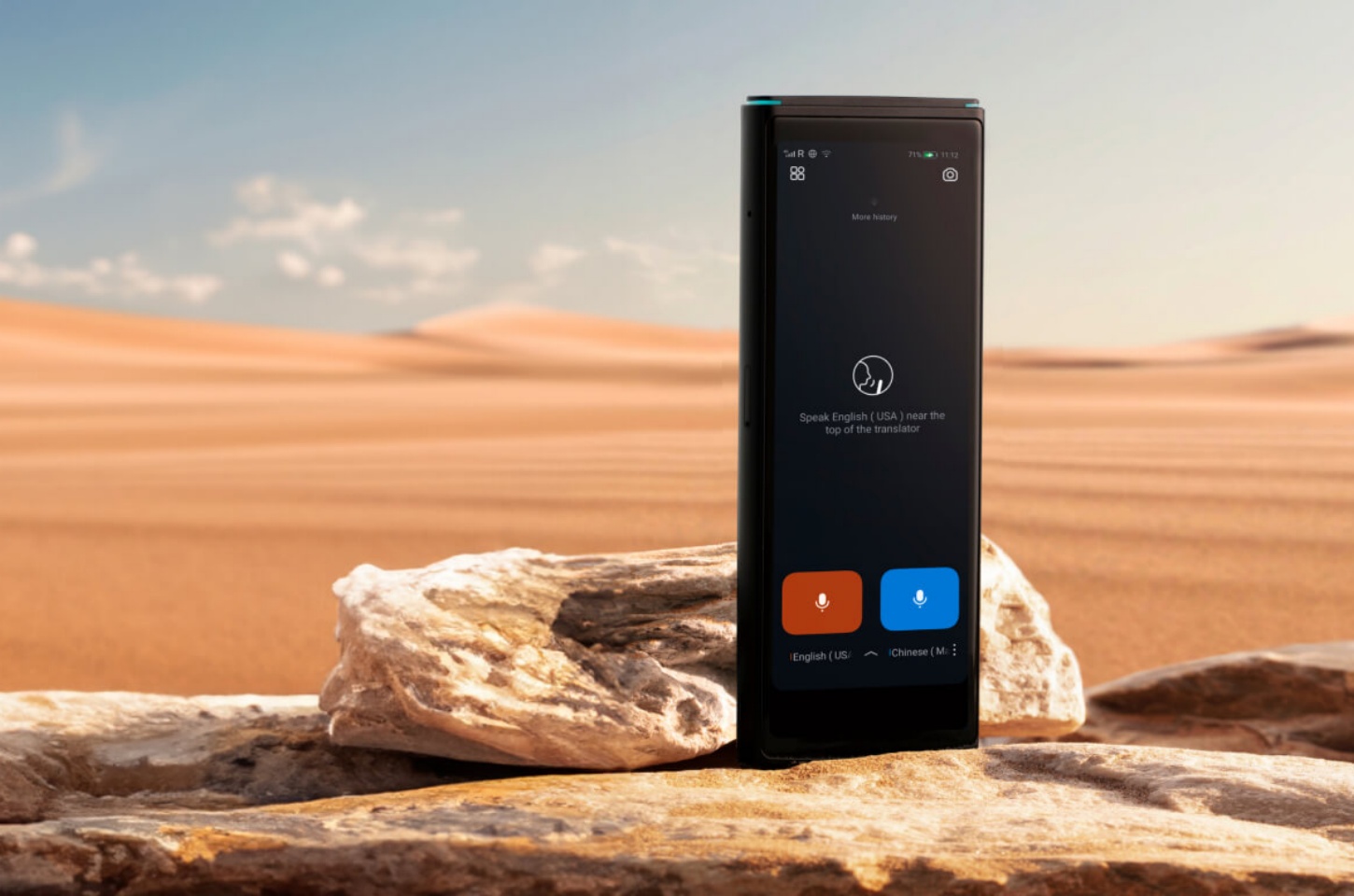
Imagine you are at a bilingual party and want to give a heartfelt, lengthy toast that goes beyond the basic "Happy Birthday." A sophisticated tool like the iFLYTEK Smart Translator can be invaluable. This device is designed not just for travel, but for real-time conversational fluency.
For Spanish greetings specifically, the Translator ensures your warm sentiment is delivered with the correct grammar and natural flow.
Scenario: You can speak your wish—"I hope this year brings you joy, success, and everything you deserve"—in English, and the translator will instantly and accurately convert it into fluent Spanish.
Wider Support: It’s a reliable tool for much more than just Spanish, as it supports 60 languages, including French, German, Chinese, Japanese, and Russian.
Flexibility: The real-time and offline translation capabilities enable clear, accurate communication for travel, business, or simply enjoying the moment at a party—anytime, anywhere, with ease and confidence.

Tips for Using Spanish Birthday Greetings Naturally
Using a phrase correctly is only half the battle; delivering it naturally is what truly makes it sincere and memorable. Here’s how to add cultural authenticity and warmth to your Spanish birthday wishes.
Use Exclamations (and Volume!)
Spanish speakers tend to be highly expressive. Never whisper your wishes! Always use an exclamation mark in writing and ensure you use a clear, enthusiastic, and warm tone when speaking: “¡Feliz cumpleaños!” Adding that energy shows excitement and involvement, which is highly valued in Spanish-speaking cultures.
Smile and Make Eye Contact
This tip is universal, but vital. As with any greeting, genuine warmth is key. A sincere smile and direct, friendly eye contact convey respect and heartfelt good wishes, bridging any minor linguistic gaps you might have. Pair your energized greeting with a brief, appropriate celebratory hug or handshake, depending on your relationship with the person.
Learn the Song (Show Respect)
If you're attending a traditional birthday celebration, try to learn a few lines of "Las Mañanitas." This traditional song is sung at almost every birthday in many Spanish-speaking countries. Even a small, earnest effort to join in is a huge sign of respect and participation.
Practice Context and Delivery
Language lives in conversation, not in books. Say the phrases out loud, imagining a scenario—you are walking up to the person, or giving a toast. Practice the delivery of the translated phrase beforehand to ensure you speak with the correct pauses and emphasis, helping you sound natural and heartfelt rather than merely reading out a mechanical translation.
Conclusion
Saying "Happy Birthday" in Spanish is more than just learning two words; it's an entry point into the warm, expressive, and festive culture of the Spanish-speaking world. Start with the essential ¡Feliz cumpleaños! and gradually add phrases like ¡Que cumplas muchos más! With a little practice and the help of modern tools for real-time translation and learning, you'll be wishing people a very happy birthday with confidence and genuine sincerity.
FAQs
1. How to say “hello” in Spanish
The most common way to say "hello" is Hola (OH-lah). For more context, you can use:
- Buenos días (Good morning)
- Buenas tardes (Good afternoon/evening)
- Buenas noches (Good evening/night)
2. How to say “good morning” in Spanish
The standard phrase is Buenos días (BWEH-nohs DEE-ahs).
3. How to say “thank you” in Spanish
The most common way is Gracias (GRAH-see-ahs). To say "thank you very much," you can say Muchas gracias (MOO-chahs GRAH-see-ahs).
4. How to say “I love you” in Spanish
There are two main ways, depending on the recipient:
Te quiero: Used for friends, family, and as an early stage in a romantic relationship.
Te amo: Reserved for deep, romantic love.