
If you're wondering if Spanish is hard to learn, the short answer is no; it's generally considered one of the easier languages for English speakers to pick up. Of course, the real difficulty depends on many factors, like your native language, previous experience with learning languages, and the time you dedicate to studying. However, there are many reasons why Spanish is often seen as a great starting point for language learners.
What Makes Spanish Easier Than Other Languages?
Spanish has several features that make it relatively simple for English speakers. First, the alphabet is almost identical to English, and most of the sounds are familiar. The phonetic nature of the language is a huge advantage—you can almost always pronounce a word just by looking at it. Unlike English, where 'ough' can sound completely different in 'through,' 'though,' and 'cough,' Spanish has consistent pronunciation rules.
Another helpful element is the shared vocabulary. Since both languages have Latin roots, thousands of words are similar. For example, 'information' becomes información, 'communication' becomes comunicación, and 'family' is familia. This gives you a head start and makes learning new words feel more intuitive.
How Long Does It Take to Learn Spanish?
The time it takes to learn Spanish varies greatly depending on your goals. According to the Foreign Service Institute (FSI), Spanish is a Category I language, meaning it's one of the easiest languages for English speakers to learn. They estimate it takes around 600-750 hours of classroom study to reach professional working proficiency.
Here's a breakdown of what you can expect:
- Basic fluency (conversational): 1-2 years of consistent, regular study.
- Intermediate (B1/B2 level): 2-3 years, allowing you to have more complex conversations.
- Advanced (C1/C2 level): 4+ years to achieve near-native fluency.
Remember, consistent practice is more effective than cramming. Spending 30 minutes every day is better than one five-hour session a week.
What Are the Most Common Struggles for Learners?
While Spanish is relatively easy, it's not without its challenges. The biggest hurdles for most learners include:
Gendered nouns
In Spanish, every noun is either masculine or feminine. It can be tricky to remember whether a word like mesa (table) is feminine or libro (book) is masculine, and this affects the articles and adjectives you use.
Verb conjugations
Spanish verbs change their endings based on who is performing the action (I, you, he/she, we, they) and when the action is happening (past, present, future). This is one of the more complex parts of the language, with many different tenses and irregular verbs to memorize.
The subjunctive mood
This is a tricky concept for many English speakers. The subjunctive is used to express doubt, desire, or emotion, and it’s a whole new way of thinking about sentence structure that doesn't have a direct equivalent in English.
Tips for Learning Spanish Faster
To overcome these challenges and accelerate your learning, try these proven strategies:
Immerse yourself: Change your phone's language to Spanish, listen to Spanish music, and watch Spanish-language movies and TV shows.
Speak from day one: Don't wait until you're "good enough." Find a language exchange partner online or in your community. Speaking is the best way to get comfortable and solidify what you've learned.
Focus on high-frequency words: The 1,000 most common words in Spanish make up over 80% of everyday conversation. Master these first to unlock a huge amount of the language quickly.
Use spaced repetition systems (SRS): Apps and programs that use SRS can help you memorize vocabulary and grammar rules efficiently by showing you flashcards at optimal intervals.
Boost Your Spanish Learning with Smart Tech
Technology has made learning a language more accessible and effective than ever before. When you’re traveling or trying to understand complex vocabulary on the fly, having the right tools can make all the difference.
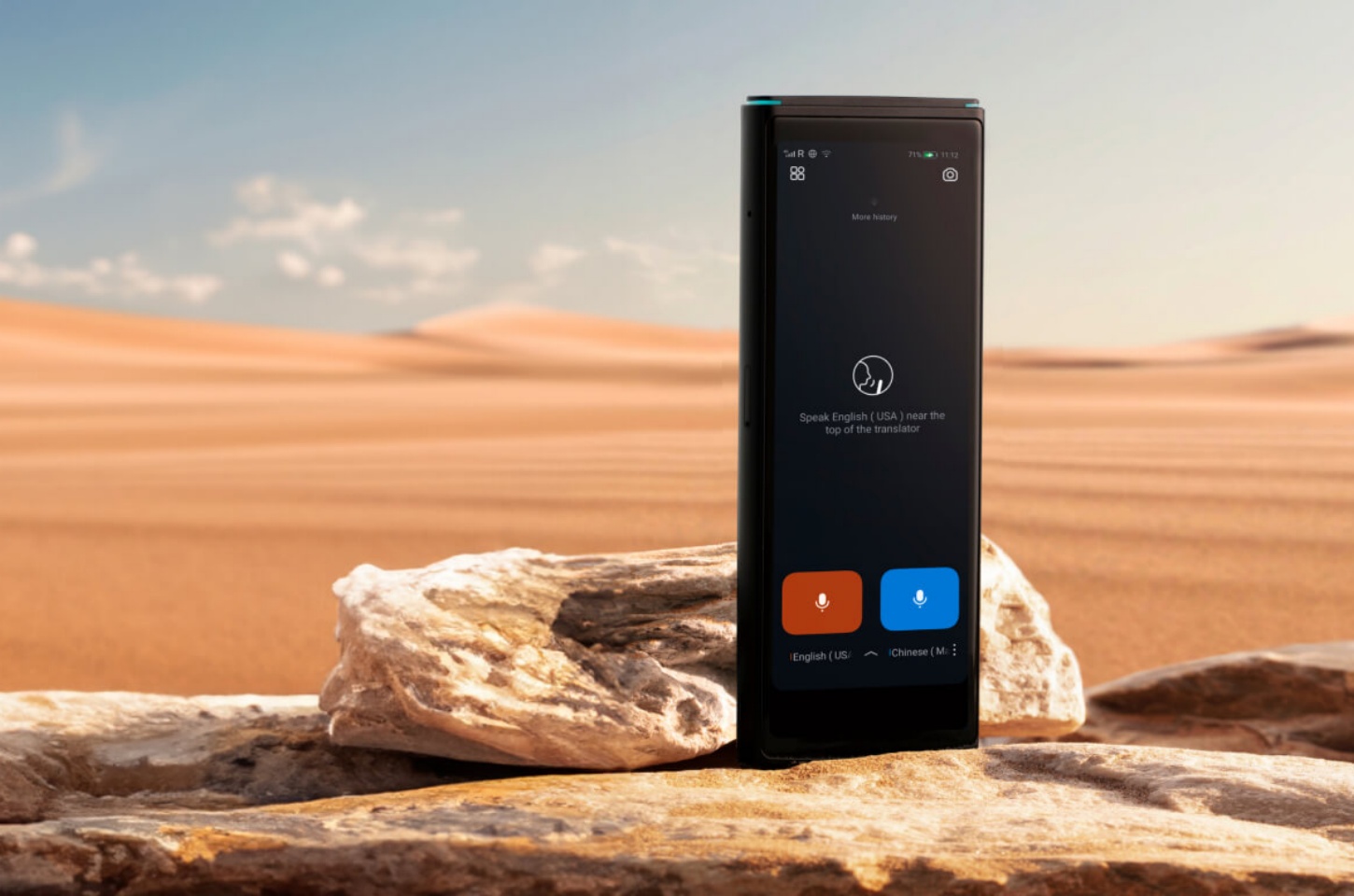
iFLYTEK Smart Translator
magine being in Mexico, eager to practice Spanish, but unsure about your pronunciation. The iFLYTEK Smart Translator, a powerful language translator device, provides real-time two-way translation between English and Spanish, so you can speak naturally while hearing the accurate translation instantly. This not only helps you communicate on the spot but also reinforces your learning as you hear correct phrasing.
Learn & Travel Without Barriers
- 60 Languages for Online Translation: including Spanish, French, German, Chinese, Japanese, and more.
- 50 Languages for Photo Translation: scan menus, street signs, or study materials with advanced OCR.
- 18 Languages for Chat Translation: capture and translate dialogues, making real-world practice smoother.
Offline Translation Support: perfect when traveling or studying in areas without stable internet.
Instead of worrying about mistakes, you can focus on enjoying conversations. Use the iFLYTEK Smart Translator as a bridge while you build vocabulary and confidence. It’s like having a personal Spanish coach in your pocket—ready to help anytime, anywhere.
iFLYTEK Smart Dictionary Pen
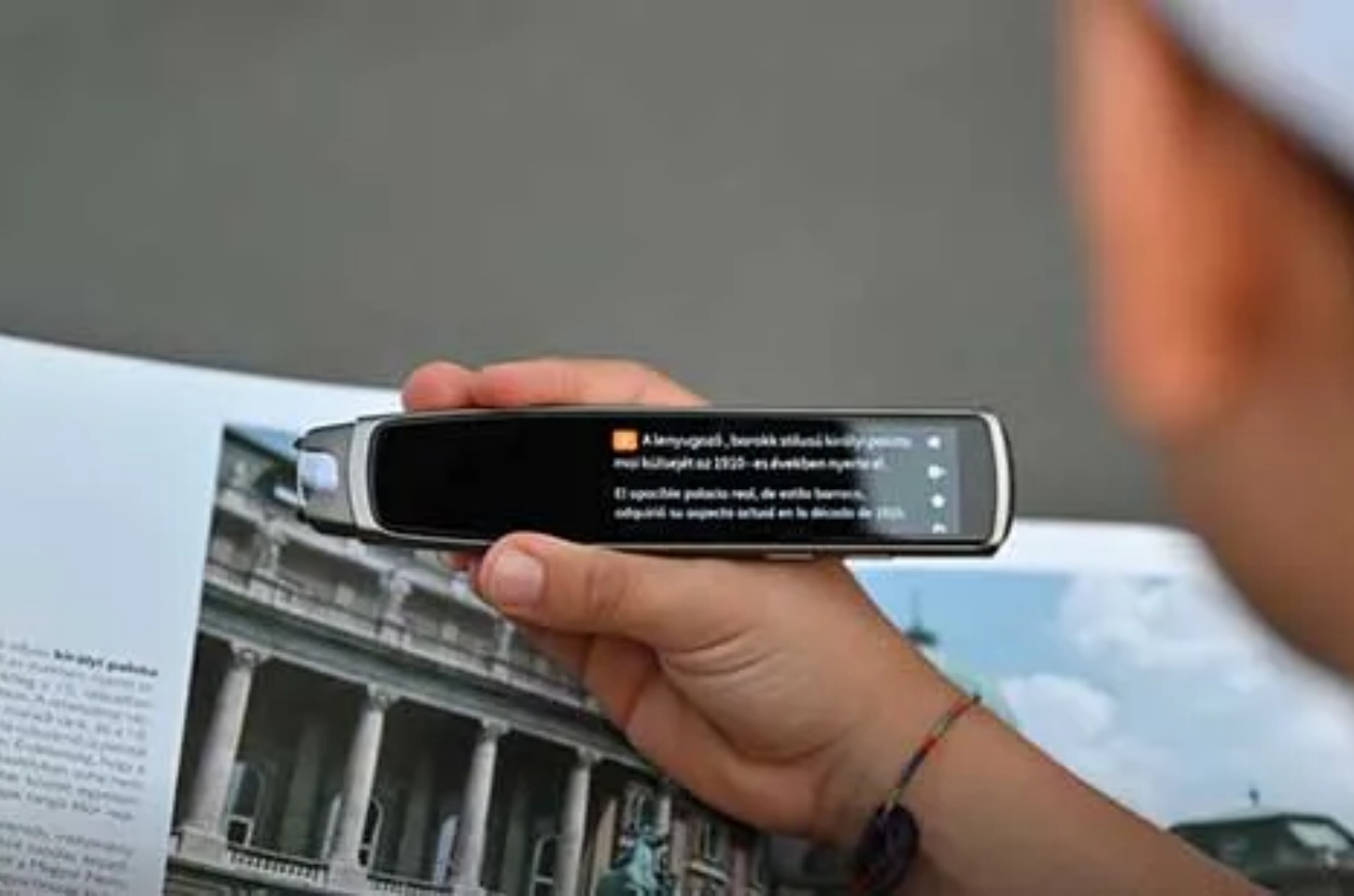
For learners who are reading a lot, whether it's books, articles, or even menus, the iFLYTEK Smart Dictionary Pen is a game-changer. Instead of typing a word into your phone, you simply scan the text with the pen, and it provides an instant definition and translation. It's incredibly fast and efficient, which is perfect for building your vocabulary without breaking your reading flow. It can even help you with verb conjugations by quickly scanning a verb to see its different forms, making it an excellent tool for tackling some of the trickier aspects of Spanish grammar.
So, is Spanish hard to learn? With practice, patience, and the right tools, the answer is no. The iFLYTEK ensures you not only break communication barriers but also accelerate your learning journey with ease and confidence.
FAQs
Is Spanish grammar difficult?
Spanish grammar has some challenges, like verb conjugations and the subjunctive mood. However, the consistent pronunciation and simpler sentence structure compared to languages like German or Russian make it manageable.
Do Spanish speakers talk too fast?
It might seem that way at first. Spanish is a syllable-timed language, meaning speakers tend to pronounce each syllable at the same speed. With practice, your ear will adjust and it won't feel as fast.
Is it better to learn Spanish in Spain or Latin America?
Both are excellent options! The main difference is the dialect, pronunciation, and some vocabulary. Spanish from Spain is known for the ceceo or seseo (different pronunciations of 'c' and 'z'), while Latin American Spanish has a more uniform sound. Choosing one depends on where you plan to use the language the most.