
Translator
-
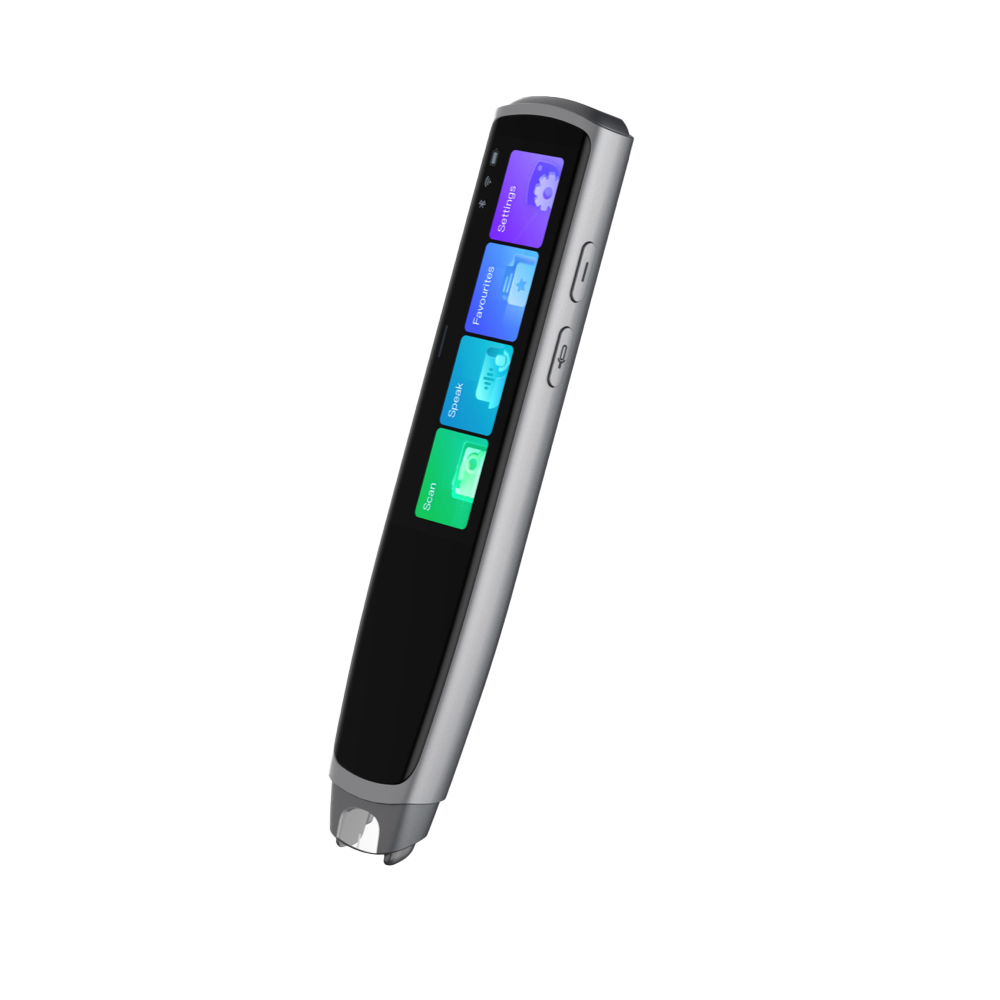
 iFLYTEK Smart Dictionary Pen
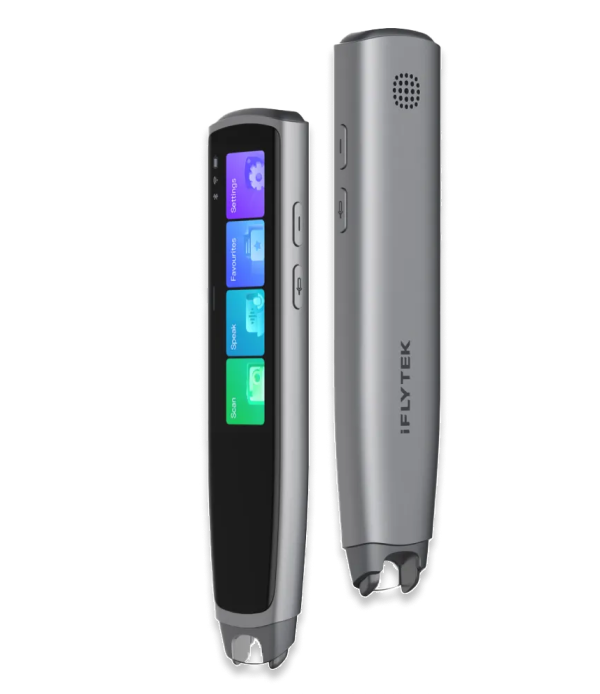
iFLYTEK Smart Dictionary Pen
Your pocket-sized language expert
$199.99 USD
What Is a Voice Translator and How Does It Work?
What Is a Voice Translator and How Does It Work?
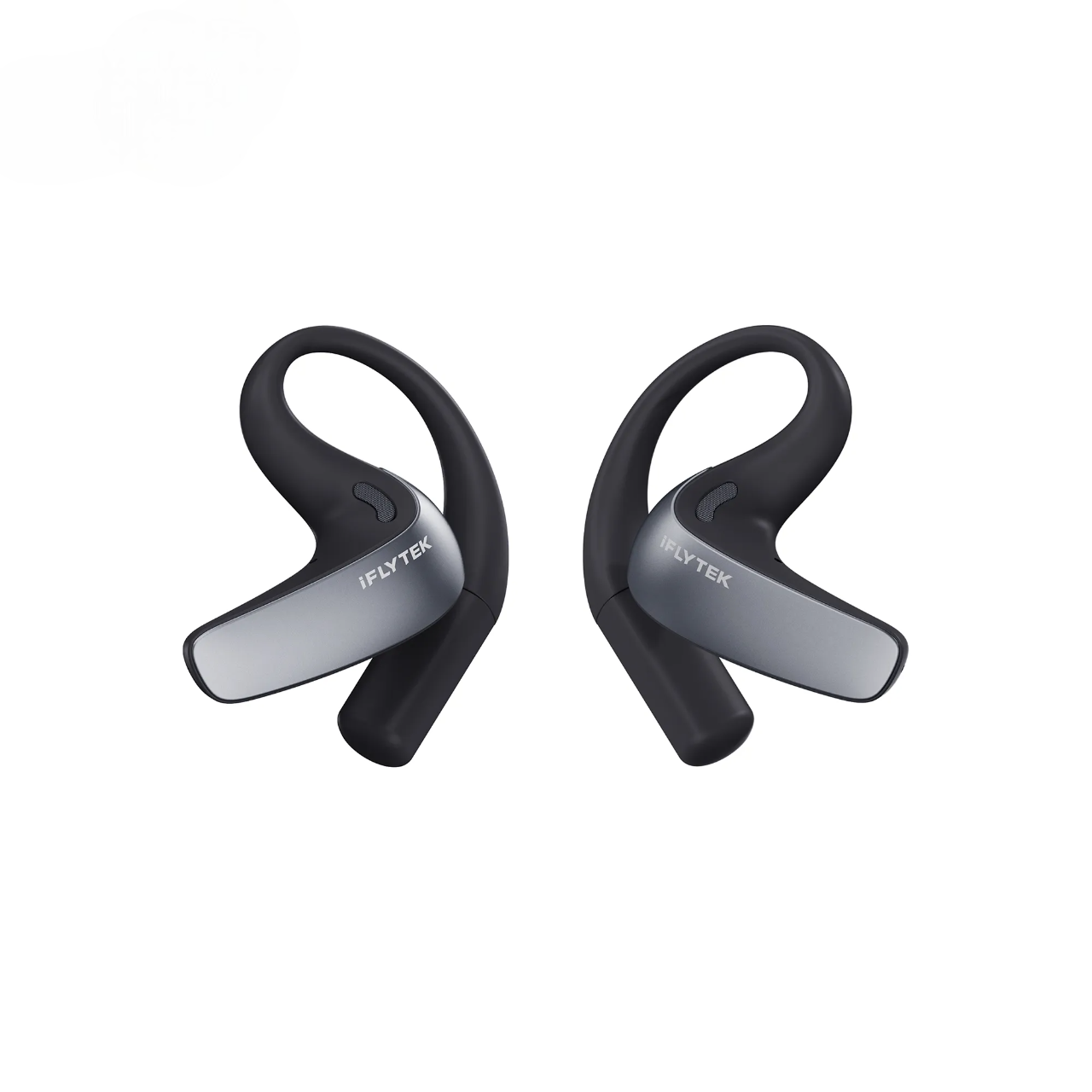
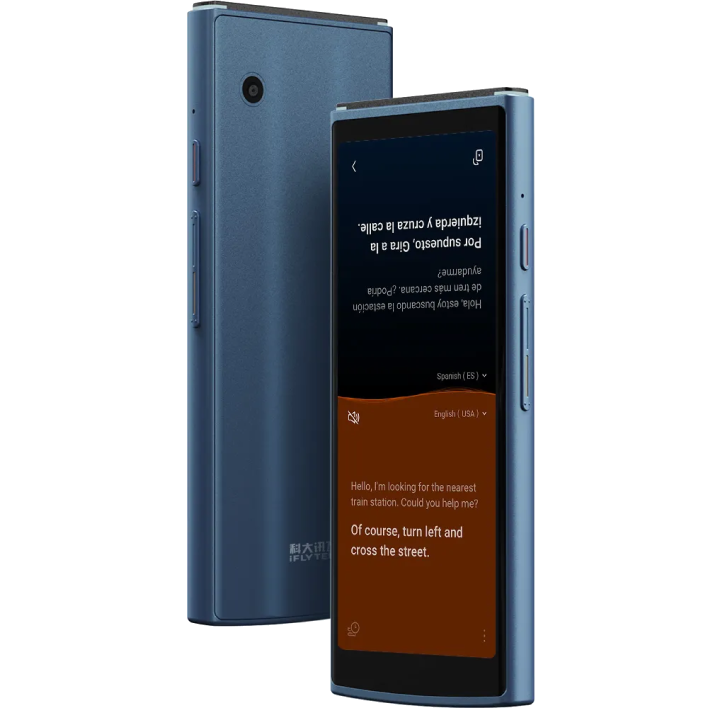
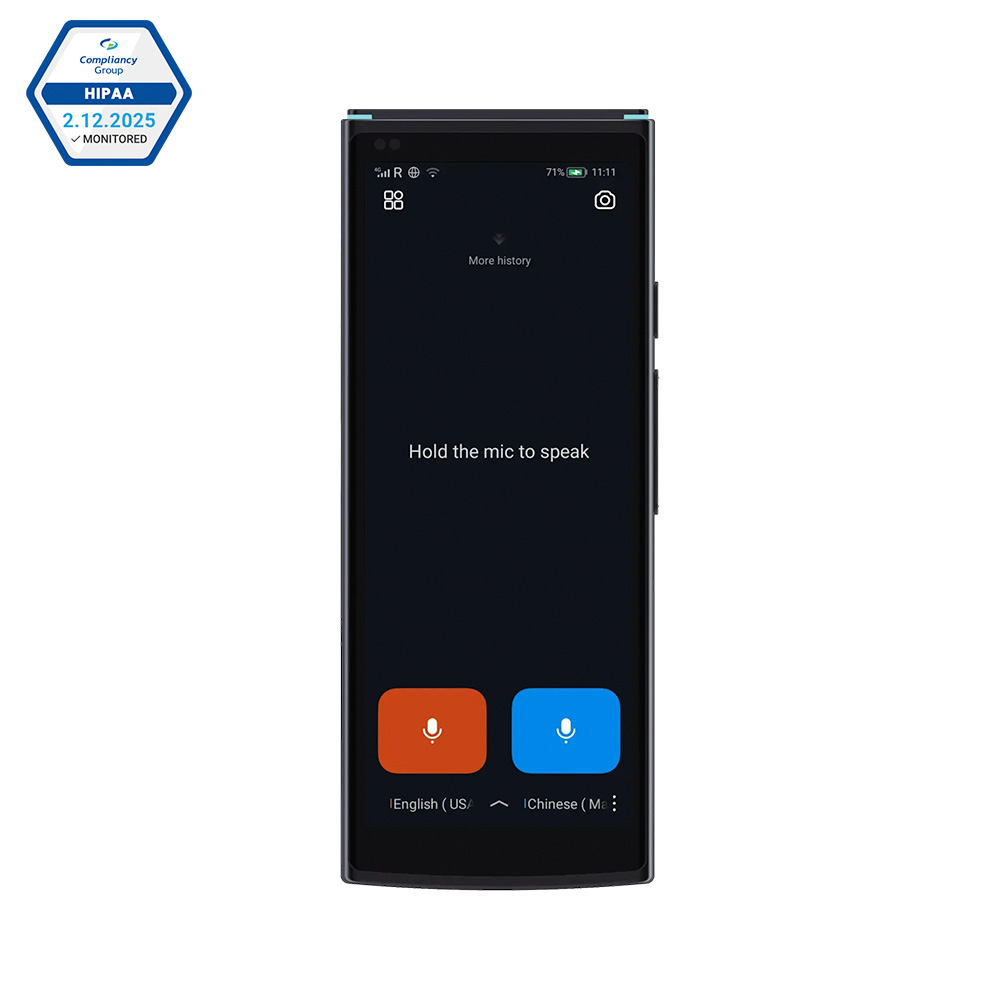
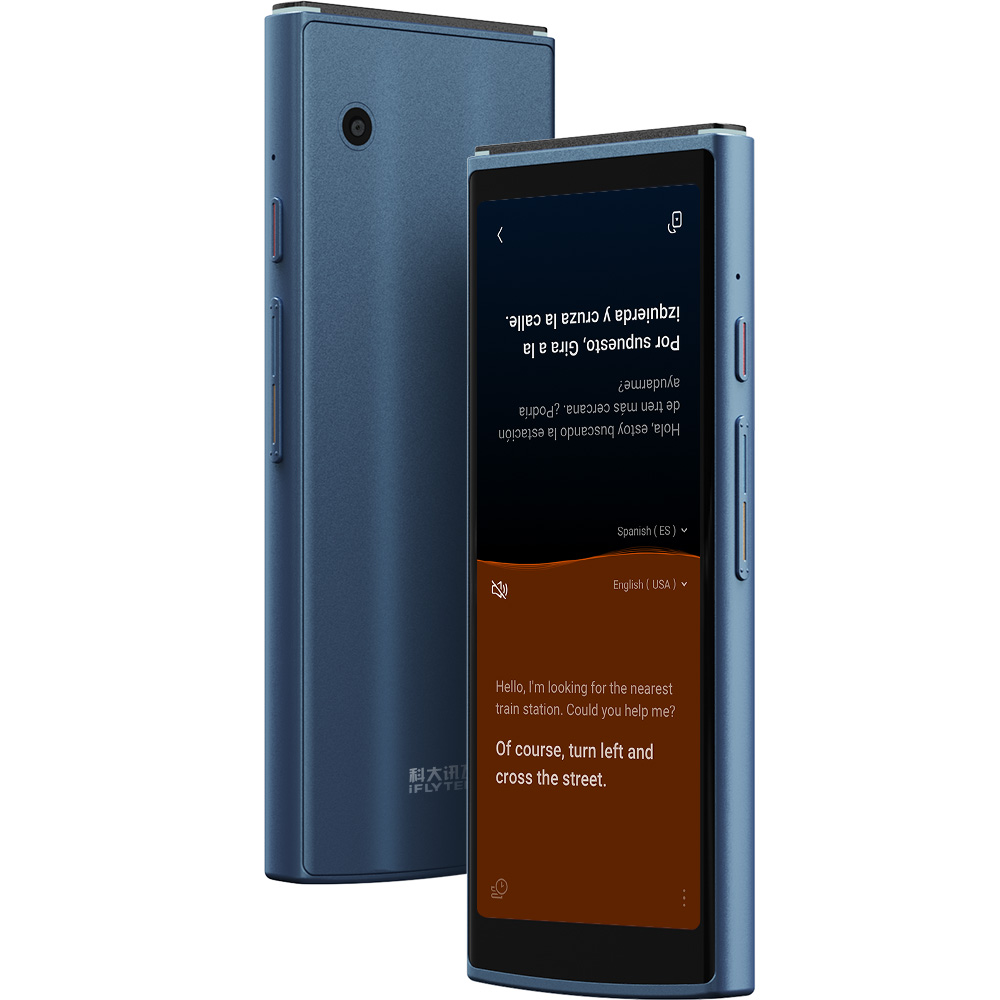
A voice translator captures spoken language, converts it into text, and then displays or plays the translation in another language. iFLYTEK translation devices support different communication scenarios, including face-to-face conversations, international travel, business meetings, phone calls, and online events. The collection includes both a standalone handheld translator and hands-free translation earbuds.
Which Languages Do iFLYTEK Translation Devices Support?
Which Languages Do iFLYTEK Translation Devices Support?
Supported languages depend on the product and translation mode. The iFLYTEK Smart Translator supports up to 60 languages for online voice translation and up to 50 languages for photo translation. The AI Translation Earbuds support two-way real-time translation across 60 languages and recognize 83 regional accents. Check the selected product and mode when you need a particular language or accent.
Can a Language Translator Device Translate Chinese to Italian and Other Language Pairs?
Can a Language Translator Device Translate Chinese to Italian and Other Language Pairs?
Yes. Chinese and Italian are included among the supported online languages on both the iFLYTEK Smart Translator and AI Translation Earbuds. Other combinations are also available when both the source and target languages are supported by the selected product and translation mode. Offline language availability may be more limited than online translation.
Do Translator Devices Work Without Wi-Fi or Mobile Data?
Do Translator Devices Work Without Wi-Fi or Mobile Data?
The iFLYTEK Smart Translator supports offline translation for selected languages, allowing users to communicate when Wi-Fi or mobile service is unavailable. It also includes two years of complimentary global data for supported online translation in more than 148 countries and regions. The AI Translation Earbuds use the Bavvo mobile app for their translation and AI functions, so their connection requirements differ from those of the standalone translator.
What Is the Difference Between a Handheld Translator and Translation Earbuds?
What Is the Difference Between a Handheld Translator and Translation Earbuds?
A handheld translator is better suited to travelers and professionals who want a standalone screen, offline translation, photo translation, face-to-face display, and exportable translation records. Translation earbuds are designed for hands-free conversations, phone calls, online meetings, live events, and situations where users want to hear translations without repeatedly holding a device. The better choice depends on whether you prioritize independent operation or wearable communication.
Do iFLYTEK AI Translation Earbuds Need a Phone App?
Do iFLYTEK AI Translation Earbuds Need a Phone App?
Yes. The translation and AI assistant features of the earbuds work through the Bavvo app on a compatible iOS or Android phone. The earbuds can still be used for ordinary music playback and calls without the app, but their core translation functions require app pairing and the necessary phone permissions.
Can Translation Earbuds Be Used for Zoom, Google Meet, and Other Online Meetings?
Can Translation Earbuds Be Used for Zoom, Google Meet, and Other Online Meetings?
Yes. The iFLYTEK AI Translation Earbuds support translation for regular phone calls and supported audio, video, and meeting apps. The official product information currently lists platforms such as Zoom and Google Meet. Microsoft Teams is not specifically listed, so users who require Teams compatibility should confirm the latest support information before purchasing.
Can I Use an AI Translator for English-to-English Transcription?
Can I Use an AI Translator for English-to-English Transcription?
iFLYTEK translators are primarily designed for communication between different languages. Same-language transcription, such as converting English speech directly into an English transcript without translation, is not currently listed as a standard function of the Smart Translator or AI Translation Earbuds. Users who mainly need meeting transcription should consider an iFLYTEK AI recorder or digital notebook instead.
Can a Translator Device Translate Menus, Signs, and Documents?
Can a Translator Device Translate Menus, Signs, and Documents?
The iFLYTEK Smart Translator includes photo translation powered by OCR technology. Users can photograph menus, signs, labels, notices, and printed documents and translate text across up to 50 supported languages. This function is available on the handheld translator rather than through the translation earbuds.
Can I Save and Export Translation Records?
Can I Save and Export Translation Records?
Yes. The iFLYTEK Smart Translator allows users to export translation records for later review, study, or business follow-up. The AI Translation Earbuds also provide history management through the Bavvo app, where supported records can be found, edited, bookmarked, and exported. Available formats and export methods may vary by product and software version.
How Well Does a Voice Translator Work in a Noisy Environment?
How Well Does a Voice Translator Work in a Noisy Environment?
Translation quality depends on background noise, speaking distance, pronunciation, and network conditions. The iFLYTEK Smart Translator uses a four-microphone array and noise-cancelling technology to improve voice pickup, while the AI Translation Earbuds include modes intended for meetings and live events. For better results, speak clearly, keep the microphone reasonably close, and avoid having several people speak at once.
Can I Change the Language of the Translator Interface?
Can I Change the Language of the Translator Interface?
The iFLYTEK Smart Translator supports 16 system interface languages, including English, Chinese, French, German, Italian, Japanese, Korean, Russian, Spanish, and several others. Interface language is separate from voice translation and photo translation, so the number of available menu languages is smaller than the number of languages the device can translate. The earbuds are managed mainly through the Bavvo mobile app, whose interface options may depend on the app version and phone system.
What Return and Warranty Coverage Is Available for iFLYTEK Translation Devices?
What Return and Warranty Coverage Is Available for iFLYTEK Translation Devices?
Eligible purchases are covered by the return and warranty terms shown on the selected product page. The store currently advertises a 30-day return period, while warranty length may differ between the Smart Translator and AI Translation Earbuds. Review the product-specific coverage and contact support before returning a device or requesting warranty service.