
Transcribing an interview can feel like a daunting task, whether you're a journalist, a researcher, or a student. The process of converting spoken words into accurate, written text is crucial for analysis, documentation, and sharing information. Using a reliable voice recorder device during the interview can make a world of difference, ensuring clear audio quality and easier transcription later on. This guide will walk you through the essential steps, from preparing for the task to leveraging the right tools to ensure your transcriptions are both accurate and efficient.
Common Challenges in Interview Transcription
Before getting into the “how-to,” it’s good to know what challenges you might run into. Understanding these issues helps you prepare and pick the right transcription method. One big problem is bad audio quality. Background noise, quiet voices, or people talking at the same time can make it really hard to understand what’s being said. This often happens in field interviews or noisy places.
Another challenge is knowing who’s speaking. When several people are talking, you need to keep track of who says what; otherwise, the transcript can get messy. Accents, fast talking, and technical terms can also make things tricky. All these issues can slow you down and lead to more mistakes.
Main Methods of Interview Transcription
When it comes to transcribing an interview, you're not limited to just one option. The method you choose often depends on your budget, time constraints, and the level of accuracy you need.
1. Manual transcription
Manual transcription is the old-school, hands-on way to do it. You listen to the audio and type everything out yourself. It’s super accurate since you can catch small details like pauses, emotions, and tone. But it takes a lot of time, usually around four hours to finish one hour of audio. It’s best for important projects where every word counts.
2. Semi-automatic transcription
Semi-automatic transcription is a mix of tech and human work. You use a simple transcription app or a dictation tool to turn the audio into text. Then you go through it and fix any mistakes. This way, you save some time but still keep things accurate. It’s a nice balance for people who want faster results without losing quality.
3. Fully automatic transcription
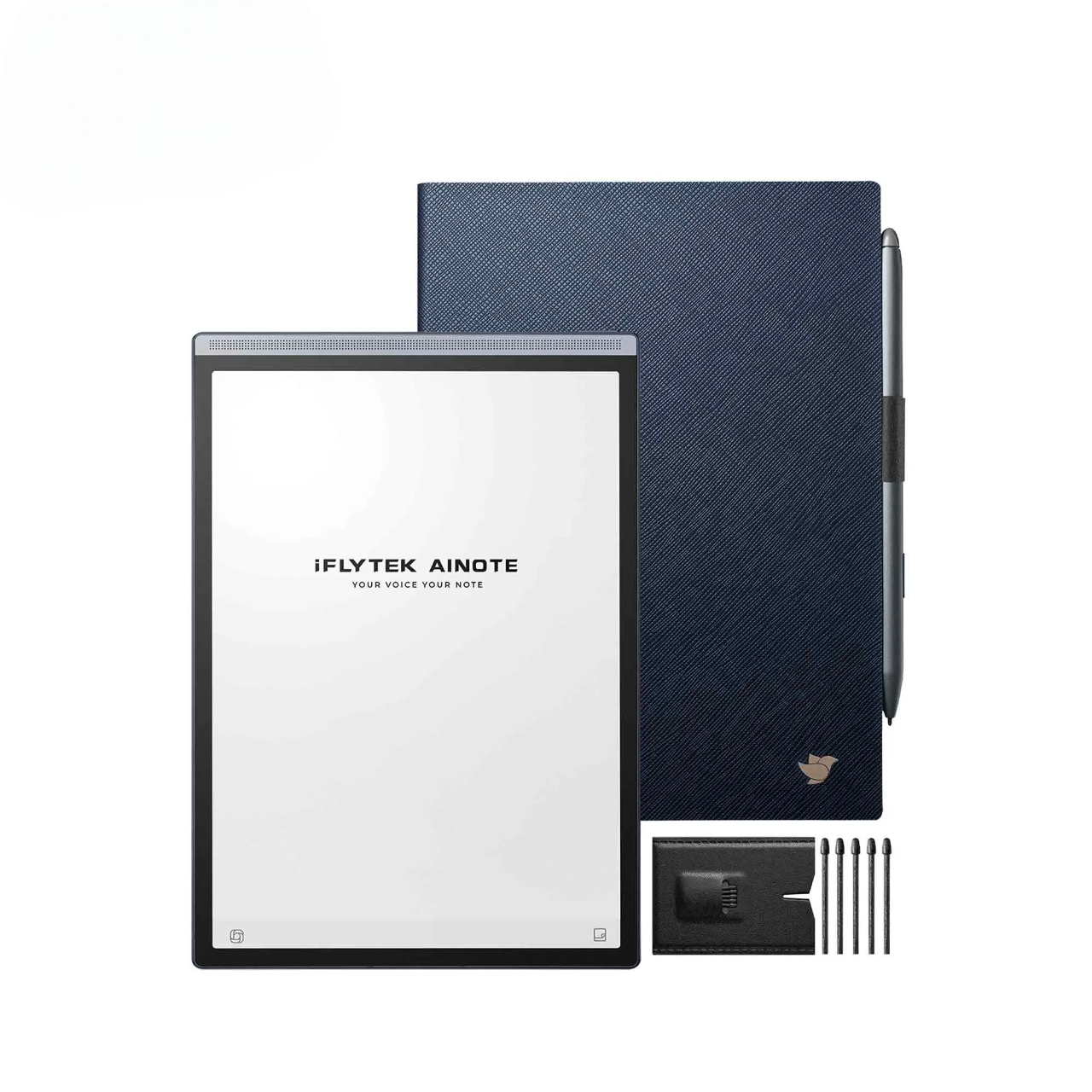
Fully automatic transcription uses AI and speech recognition to turn audio into text. It’s the fastest option. Many tools can give you a transcript in just a few minutes. It works really well, but the accuracy can change depending on the sound quality and how smart the software is. For example, iFLYTEK has strong AI that can give you accurate, real-time transcriptions, even in noisy places. This method is great if you have a lot of audio to transcribe or need quick results.
How To Prepare Before Transcribing an Interview
Proper preparation can significantly reduce the time and effort required to get a high-quality transcript. First and foremost, aim for the best possible audio quality during the interview itself. Use a high-quality microphone and conduct the interview in a quiet location to minimize background noise. This simple step can make a world of difference later on.
Before you start transcribing, take the time to listen to the entire interview once without typing. This helps you get a feel for the conversation's flow, identify the speakers, and note any potential challenges like a tricky accent or a section with poor audio. You should also organize your files by labeling them clearly and creating a dedicated folder for your project. This simple organization can prevent a lot of headaches down the line.

How to Accurately Transcribe an Interview
Even with the right method and preparation, a systematic approach is key to achieving a perfect transcript.
1. Listen and Re-listen
Start by transcribing a small segment, then play it back and read what you've typed. Compare the audio to the text and correct any mistakes. Repeat this process for the entire interview. For difficult sections, listen to them multiple times, sometimes at a slower speed.
2. Use Speaker Labels
Clearly label who is speaking throughout the transcript. Use a simple format like "Interviewer:" and "Speaker 1:". This structure makes the text easy to read and follow.
3. Include Timestamps
Adding timestamps at regular intervals (e.g., every 30 seconds or every time the speaker changes) is crucial for reference. They allow you to quickly go back to a specific part of the audio to verify information.
4. Proofread and Edit
Once you have a complete draft, read it from start to finish without listening to the audio. This allows you to catch grammatical errors, typos, and awkward phrasing. After this initial proofread, give it a final check by reading the transcript while listening to the audio one last time.
The iFLYTEK Smart Recorder Helps You Transcribe More Efficiently
Navigating interview transcription is much easier with the iFLYTEK Smart Recorder. It captures crystal-clear audio up to 10 meters away and uses intelligent noise reduction to keep voices crisp, even in noisy environments. As you conduct the interview, it transcribes in real time in multiple languages, no internet needed.
With an octa-core CPU, the recorder can turn one hour of audio into a transcript in just five minutes, saving you hours of manual work. It supports up to 7 hours of continuous recording and 32GB of storage, while the 2-inch touch screen and one-click recording make it super easy to use. Lightweight and portable, it lets you focus on the conversation while handling recording, transcription, and organization efficiently — perfect for journalists, researchers, or anyone needing fast, accurate transcripts.
Conclusion
Transcribing an interview is an important part of professional and academic work. To make the process easier, first understand the common challenges and choose the right method. You can use manual, semi-automatic, or fully automatic transcription depending on your needs. Always make sure your audio quality is good and your files are well organized. Use clear speaker labels, add timestamps, and proofread carefully to keep your transcript accurate. If you want a faster and more reliable option, a tool like the iFLYTEK Smart Recorder can help you create high-quality transcripts with less effort.
FAQs
What is the best way to transcribe an interview?
The best way depends on what you need. If you want the most accurate results and detailed notes, do the transcription by hand. If you want something fast and easy, use an automatic service or a smart recorder like the iFLYTEK Smart Recorder. You can also try a mixed method, let a tool create the first draft, then edit it yourself for better results.
How long is a 30-minute interview transcript?
The length of a transcript depends on how fast someone talks. Usually, a 30-minute interview ends up being around 3,750 to 5,000 words. That’s based on an average speaking speed of about 125 to 165 words per minute.
How many hours to transcribe a 1-hour interview?
Transcribing a one-hour interview by hand usually takes about 4 to 6 hours. It can take even longer if the audio isn’t clear. Using a semi-automatic tool cuts that time down to around 2 or 3 hours. If you use a fully automatic service, you can get a draft in just a few minutes,then you just need to check and edit it quickly.