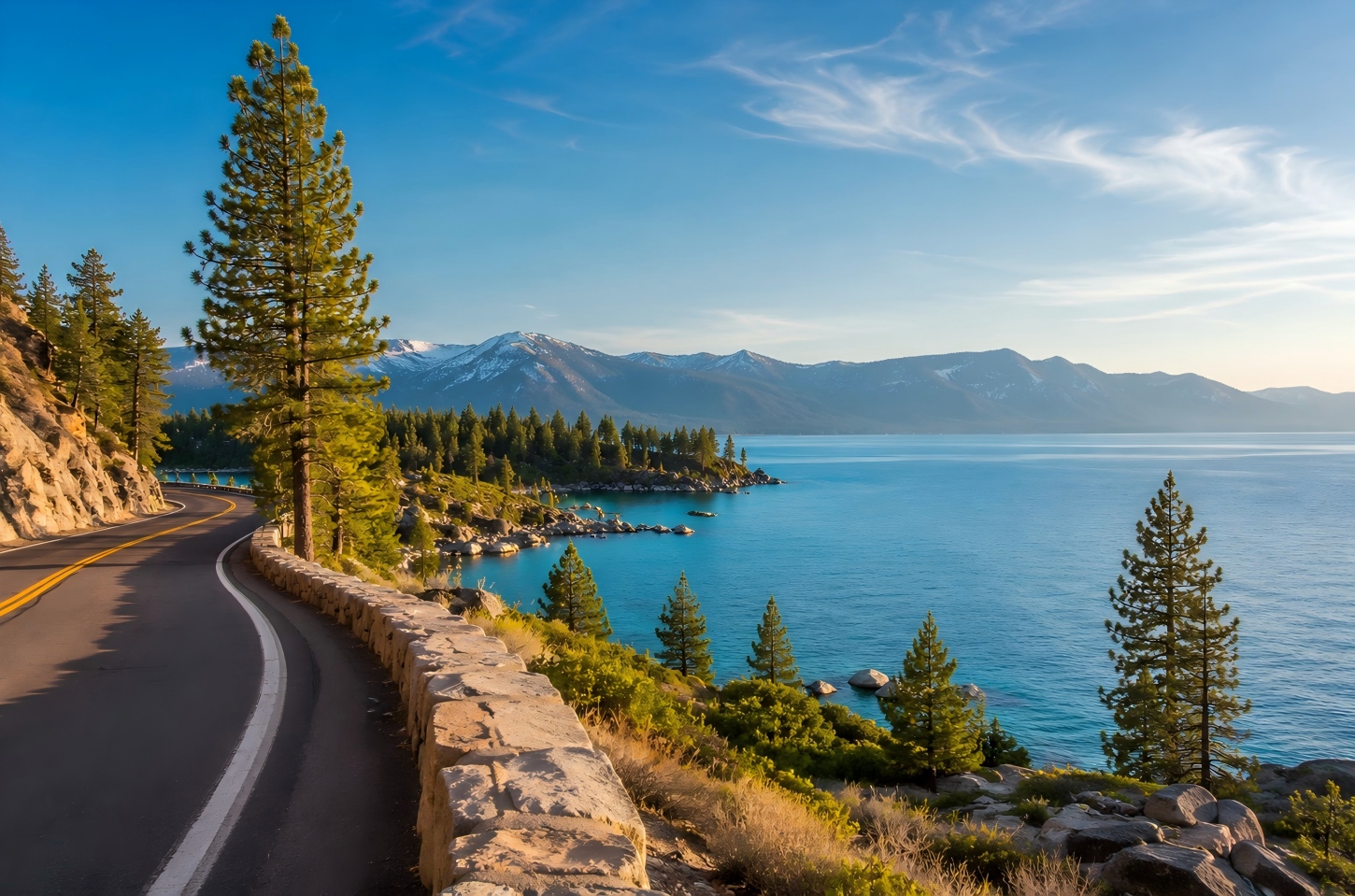
Lake Tahoe is beautiful year-round, but the easiest trip depends on what you want to do and how much flexibility you have. The best time to visit Lake Tahoe is usually late spring or early fall if you want lighter crowds, easier driving, and a calmer schedule. Summer is best for lake days, while winter is best for snow. Use the sections below to match your dates with weather, activities, road conditions, and travel style.
When Is the Best Time to Visit Lake Tahoe?
There is no single best month for every Tahoe trip. Easy travel can mean fewer crowds, better weather, lower prices, snow access, or more open activities. Start with your main reason for visiting, then choose the season with the fewest tradeoffs.
Best Overall Months for Easy Travel
May, early June, September, and early October are often the easiest months for a relaxed Lake Tahoe trip. These periods usually avoid the heaviest summer vacation rush and the busiest winter holiday weeks. May and early June can feel quieter, though some higher trails or water activities may still be limited. September and early October are especially practical if you want mild days, easier parking, and enough daylight for scenic drives.
Best Time to Visit Lake Tahoe for Snow
December through March is the best window for snow focused trips, especially if skiing, snowboarding, snowshoeing, or winter scenery is the main goal. January and February often feel the most wintry, while March can bring longer daylight outside peak holiday weeks. Winter travel needs more planning because storms can affect mountain roads, chain controls, and arrival times. Build extra time into the schedule instead of treating the drive like a normal lowland route.
Best Time for Lake Days and Hiking
June through August is the strongest season for beach time, boating, paddleboarding, hiking, biking, and family vacation plans. This is when Tahoe feels most like a classic lake destination, with longer days and more outdoor activity options. The tradeoff is demand, since popular beaches, trailheads, restaurants, and lodging can fill quickly. For easier summer travel, aim for weekdays, early starts, and a base near your main activity area.
Best Shoulder Season for Fewer Crowds
Spring and fall are the best shoulder seasons if you want more space and a slower pace. Spring is better for quiet scenic drives and lower crowd levels, while fall is usually stronger for mild weather and outdoor time. April and May can still bring snow or wet trail conditions, so they work best for flexible plans. September and October are usually easier for travelers who want fewer crowds without giving up too many activity options. If you are still comparing spring dates with other possible trips, a spring travel destination guide can help you weigh weather, crowds, and timing before you commit. 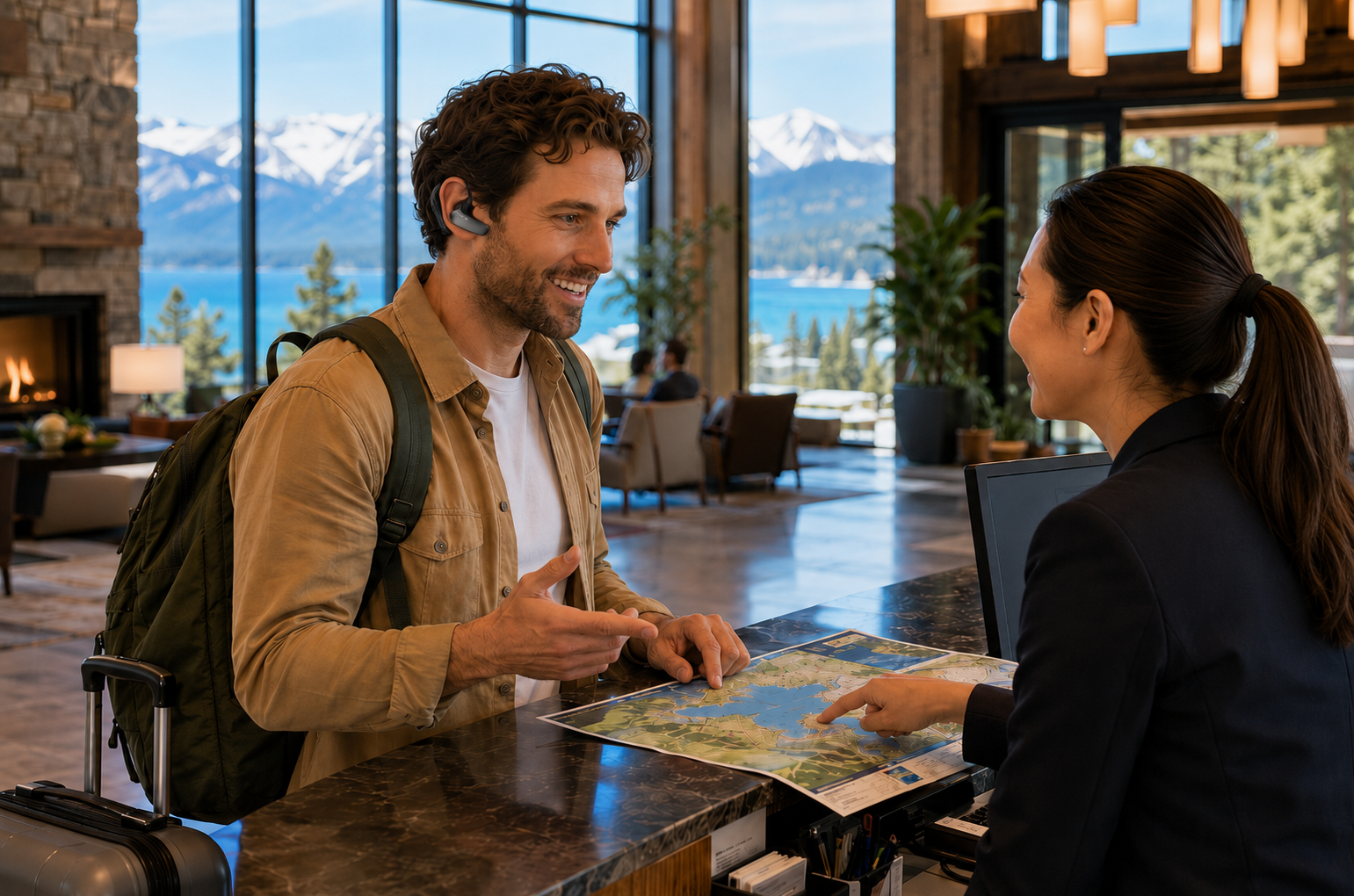
Lake Tahoe by Season: Weather, Crowds, and Activities
A seasonal view makes it easier to compare Tahoe without overthinking every month. Use the table as a quick planning filter, then read the season notes for details that affect driving, lodging, and daily plans.
|
Season |
Months |
Travel Ease |
Best For |
What to Watch For |
|
Winter |
December to March |
Moderate to busy |
Snow trips, skiing, winter scenery |
Snowy roads, holiday crowds, higher weekend demand |
|
Spring |
April to May |
Easy to moderate |
Quiet trips, scenic drives, lower crowds |
Mixed weather, limited trail access, fewer lake activities |
|
Summer |
June to August |
Busy |
Lake days, hiking, boating, family vacations |
Peak crowds, higher prices, parking pressure |
|
Fall |
September to November |
Good to variable |
Fewer crowds, mild weather, fall scenery |
Cooler days, shorter daylight, changing service hours |
The table is a starting point, not a final decision. Tahoe sits in the mountains, so weather, road updates, and activity openings should be checked close to departure.
Winter Travel From December to March
Winter turns Lake Tahoe into a snow destination, but it also makes timing more sensitive. Holiday weeks, ski weekends, and fresh snow periods can bring heavier traffic and longer waits near resorts. Check road conditions before leaving, carry proper winter gear, and avoid tight arrival plans on storm days. Winter is easiest when the trip is built around one main base area instead of frequent drives around the lake.
Spring Travel From April to May
Spring is quieter and often more affordable, but it is not always a full outdoor season. Lower elevation walks, scenic drives, lake views, and relaxed dining may be easy to enjoy, while higher trails can still have snow or wet conditions. Spring works well if you want a slower trip and do not need swimming, boating, or peak hiking access. Pack layers because a sunny afternoon can turn into a cold evening quickly.
Summer Travel From June to August
Summer offers the broadest activity menu, but logistics matter more than the activity list itself. Parking, lodging location, beach access, and restaurant timing can shape the whole day. Book early, choose activities by area, and start popular outings before midday. A summer Tahoe trip feels easier when the plan reduces backtracking and leaves room for traffic near beaches, trailheads, and town centers.
Fall Travel From September to November
Fall can be one of the most comfortable seasons for easy travel, especially in September and early October. The weather is often pleasant for walking, scenic drives, and relaxed outdoor meals, while the main summer crowds have usually thinned. Later fall can bring colder air, shorter daylight, and more variable service hours. If your dates fall in November, check lodging, restaurant, and activity schedules before building a detailed itinerary.
Best Time to Visit Lake Tahoe by Travel Style
Different travelers need different versions of an easy trip. A family may want predictable activities, while a business traveler may care more about short transfers and reliable services. Use your travel style to narrow the season instead of choosing dates only by weather.
Family Vacations and First-Time Trips
Families and first-time visitors usually have the easiest time in early summer or early fall. These periods can offer enough activity options without the most intense holiday pressure. If swimming and boating are essential, summer is still the better choice, but lodging location becomes more important. For young children or older family members, avoid packing too many distant stops into one day.
Business Trips and Short Weekends
Business trips and short weekends work best when the itinerary is simple and the travel window avoids the busiest arrival periods. Late spring, early fall, and non-holiday winter weekdays can be smoother than peak Friday-to-Sunday trips. Choose lodging close to the meeting, event venue, or main resort so one delay does not disrupt the whole plan. For a short stay, limit long drives around the lake and leave extra time for parking, weather changes, or service delays.
Outdoor Adventures and Scenic Drives
Outdoor travelers should match timing to the activity, not just the view. Winter is best for snow sports, summer is best for active lake days, and fall is strong for hiking, photography, and scenic drives with fewer crowds. Spring can be rewarding for quiet viewpoints, but it is less reliable for higher elevation trails. When the plan depends on a route or trail, check local conditions close to the trip.
Budget-Conscious and Flexible Travelers
Budget conscious travelers usually do better outside major holidays, school breaks, and peak summer weekends. April, May, late October, and parts of November can offer quieter stays, although activity choices may be narrower. Flexible travelers can also watch midweek lodging and adjust plans around weather windows. The best value often comes from accepting one tradeoff, such as cooler weather, fewer lake activities, or shorter daylight.
Practical Factors That Make Tahoe Easier to Visit
Even the best month can feel difficult if the practical details are ignored. Tahoe travel is shaped by demand, mountain roads, parking, and seasonal operations. A smoother trip comes from planning around these limits before they turn into problems.
Crowds, Prices, and Booking Windows
Crowds and prices usually rise when weather, school breaks, holidays, and weekend travel overlap. Summer lake trips and winter ski trips need earlier booking, especially for families and groups that need larger rooms or convenient locations. Shoulder season travel can be more flexible, but popular weekends still deserve advance planning. If easy travel is the priority, choose midweek dates whenever possible.
Road Conditions and Mountain Weather
Mountain weather can change quickly around Lake Tahoe, so road planning matters more than relying on a forecast alone. Caltrans advises travelers to check roadway conditions and chain controls before departure. Lake Tahoe visitor resources can also help with safe mountain driving, especially when storms, holiday traffic, or nighttime travel are possible. If your route includes areas with weak service, download maps, save key addresses, and keep hotel or shuttle contact details available before you leave. This makes it easier to adjust when weather, road closures, or schedule changes affect your plan.
Parking, Shuttles, and Local Transportation
Parking can be one of the biggest sources of friction in summer and winter. Popular beaches, ski areas, trailheads, and town centers may fill early, which can force last minute changes. Check whether your hotel offers shuttles, whether local transit fits your route, and whether a paid parking reservation is needed for a specific area. The easiest plan is often the one with fewer car moves, not the one with the most stops.
Seasonal Openings and Activity Availability
Lake Tahoe has activities all year, but not every activity runs in every season. Boat rentals, beach facilities, ski lifts, guided tours, shuttle routes, and some restaurants may follow seasonal schedules. Before booking around one activity, confirm the operating dates, reservation rules, and backup options. This is especially important in April, May, October, and November, when weather changes, shorter daylight, or reduced service hours can affect the original plan.
On-Trip Planning for a Smoother Tahoe Stay
Choosing the right season gets you to Tahoe more smoothly, but on-trip planning shapes how easy each day feels. Altitude, packing, service conversations, and weather backup plans can all affect a short stay. A smoother Tahoe trip usually comes from keeping the first day lighter, preparing for quick weather changes, and confirming key travel details before they become last-minute problems.
Altitude, Packing, and Daily Pace
Lake Tahoe sits at a high elevation, so the first day may feel different from a lower-elevation city trip. Keep the first afternoon lighter, stay hydrated, and avoid scheduling the most demanding hike or ski day immediately after arrival. Pack layers because mornings, shaded areas, wind, and evenings can feel much cooler than sunny midday conditions. A steady pace is especially helpful for families, older travelers, and anyone arriving after a long drive or flight.
Service Conversations and Group Coordination
Service details can also shape how easy a Tahoe trip feels. A hotel check-in, shuttle pickup, restaurant order, rental question, or ski lesson confirmation may only take a few minutes, but unclear information can still slow down the day. For smoother travel, confirm key details before leaving the hotel, save reservation numbers, and keep important addresses easy to find. If you are traveling with a group, agree on meeting points, pickup times, and backup plans in advance so small changes do not interrupt the whole schedule.
Flexible Plans for Weather Changes
A smooth Tahoe trip should include at least one indoor, low-effort, or short-drive backup plan. Weather can shift quickly, and a plan that looks perfect in the morning may need to change by afternoon. Keep a few flexible options ready, such as indoor dining, a visitor center, a short scenic drive, spa time, or local shopping. Flexibility matters most in winter, spring, and late fall, when storms, cooler weather, or shorter daylight can affect the original schedule.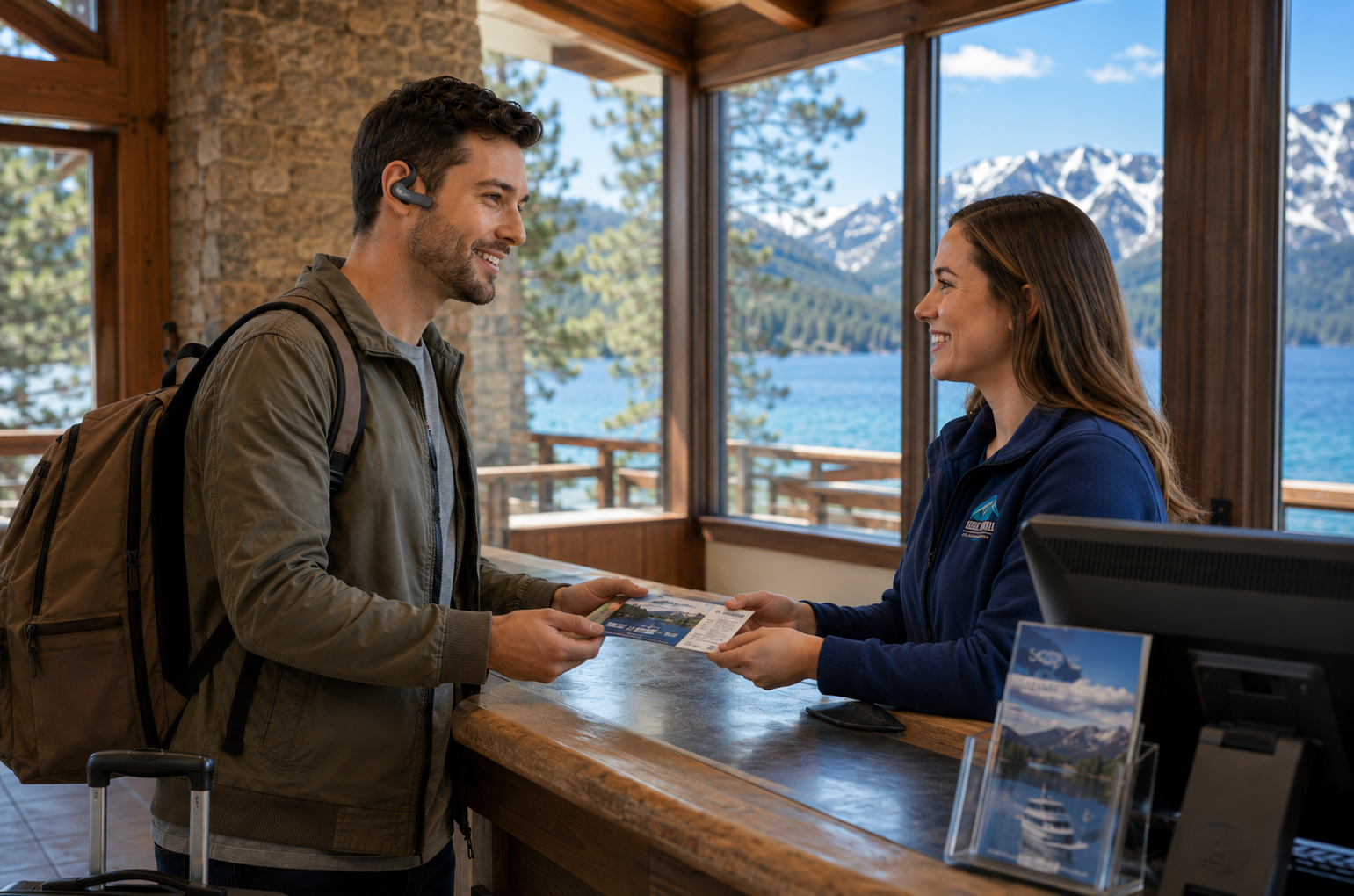
Travel Gear That Makes Tahoe Easier
The right season makes a Tahoe trip easier, but a few small items can also reduce stress once you are on the road. Because Lake Tahoe has mountain weather, changing road conditions, busy parking areas, and outdoor activities in different seasons, practical gear matters more than packing extra items you may never use. Before you finalize your bag, it helps to compare your plans with a simple travel essentials checklist so you bring what supports the trip instead of overpacking.
Road and Weather Prep Items
For winter or shoulder season trips, keep road and weather basics ready before departure. Download offline maps, save hotel and shuttle contact details, check chain control updates, and pack layers that work for both sunny afternoons and cold evenings. A portable charger is also useful if you rely on your phone for maps, parking, tickets, or weather alerts during the day.
Comfort Items for Long Outdoor Days
Lake Tahoe trips often involve long drives, walking, beach time, hiking, or ski days, so comfort items can make the schedule easier to manage. A reusable water bottle, sunscreen, sunglasses, lip balm, and a light daypack are useful in most seasons. In winter, gloves, warm socks, and traction-friendly shoes matter more than casual travel accessories.
Translation Earbuds for International Travelers
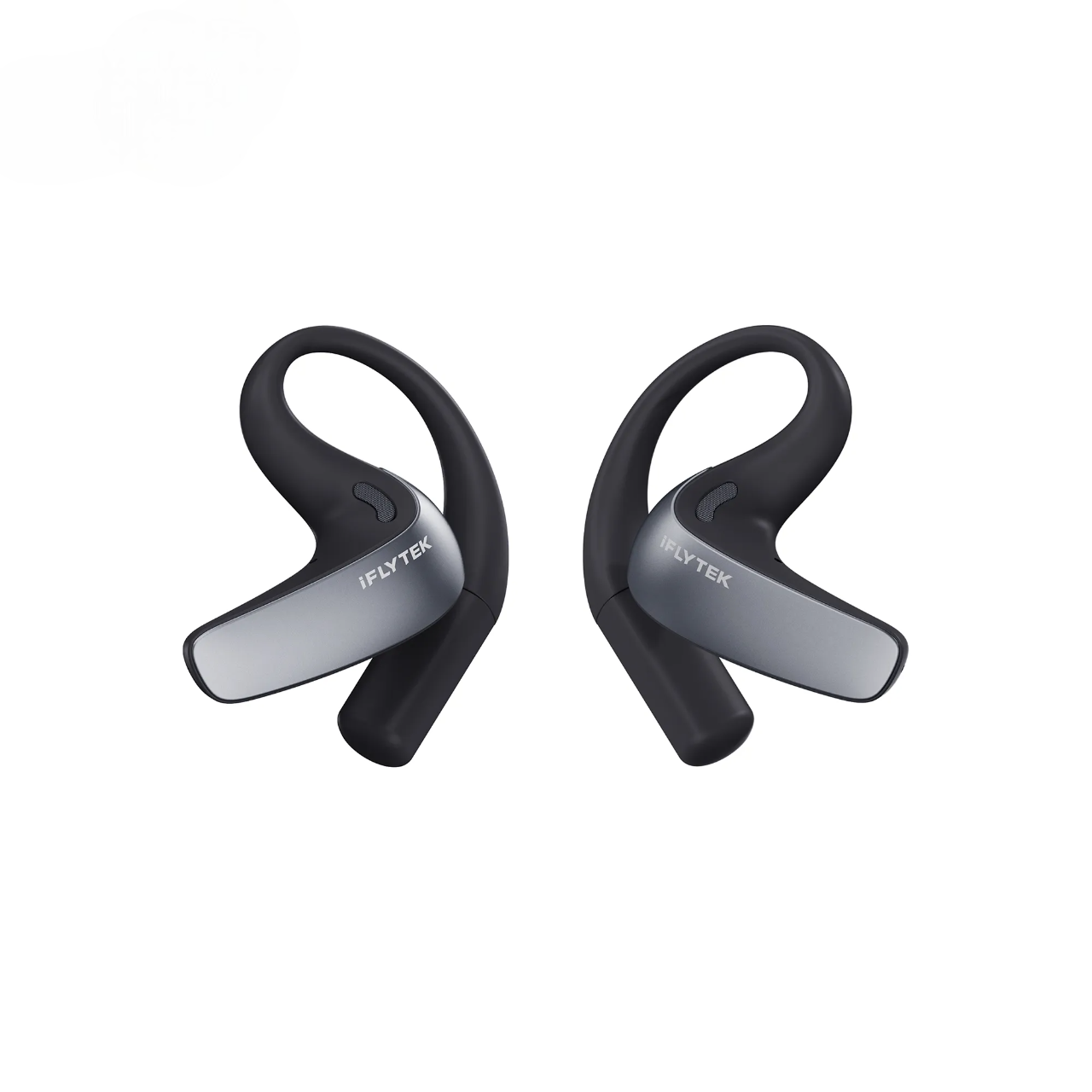
International travelers may face small communication problems during a Tahoe trip, especially when asking for directions, confirming hotel details, checking shuttle information, or explaining a travel issue to someone nearby. A translation earbud can help reduce that pressure by making simple conversations easier when language becomes a barrier. iFLYTEK AI Translation Earbuds may be useful for common travel exchanges, and selected offline language packs can offer added support when mobile data or Wi Fi becomes unstable. This makes them especially helpful for travelers who want more confidence when navigating unfamiliar places, speaking with service staff, or asking others for help during the trip.
FAQ
Quick answers can help you choose dates faster when your travel plans are still open. Use these as a final check against your schedule, budget, and activity priorities.
Is Lake Tahoe better in summer or winter?
Lake Tahoe is better in summer if you want beaches, hiking, boating, and a classic lake vacation. It is better in winter if skiing, snowboarding, and snowy scenery are your priority. For easier logistics, shoulder seasons can be more comfortable than either peak season.
When is Lake Tahoe less crowded?
Lake Tahoe is usually less crowded in spring and fall, especially outside holidays and major event weekends. April, May, September, October, and parts of November can feel calmer than peak summer or winter. Activity access may vary, so check schedules before booking.
How many days do you need in Lake Tahoe?
Two to three days is enough for a simple Lake Tahoe getaway with scenic drives, meals, and one or two main activities. Four days gives you more room for weather changes and a slower pace. Longer stays are better if you want to visit multiple areas around the lake.
Conclusion
The best time to visit Lake Tahoe depends on your main activity first. Choose winter for snow, summer for lake days, and May, early June, September, or early October if easier travel matters most. Before finalizing your dates, check road conditions, activity schedules, lodging, and local transportation so the season you choose matches the trip you actually want. For international travelers planning extra communication support, iFLYTEK can also be considered as part of a broader travel preparation checklist.