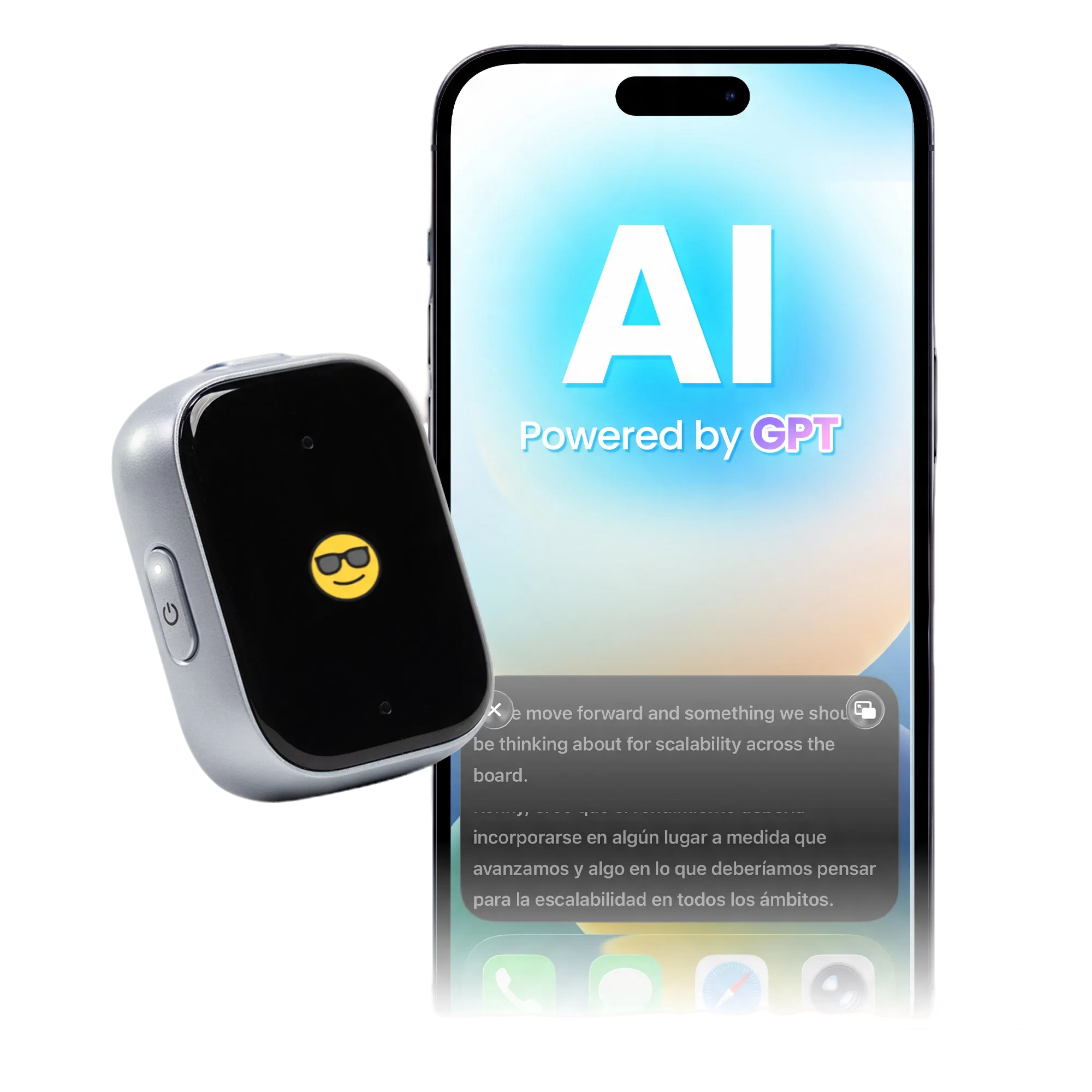


iFLYTEK AI Translation Earbuds
Traveling in China is easier with the right mix of AI tools and essential local apps. Translation, navigation, payments, transportation, and trip planning are among the most common challenges for international visitors. Tools such as the iFLYTEK Smart Translator and iFLYTEK AI Translation Earbuds can help overcome language barriers, while local apps remain essential for getting around and managing everyday travel needs. With the right tools, exploring China in 2026 can be smoother, easier, and more rewarding.
Best AI Tools for China Travel at a Glance
Traveling in China usually requires different tools for different situations. Local apps handle everyday travel logistics, while iFLYTEK devices can help when language, communication, note taking, or spoken information becomes difficult to manage.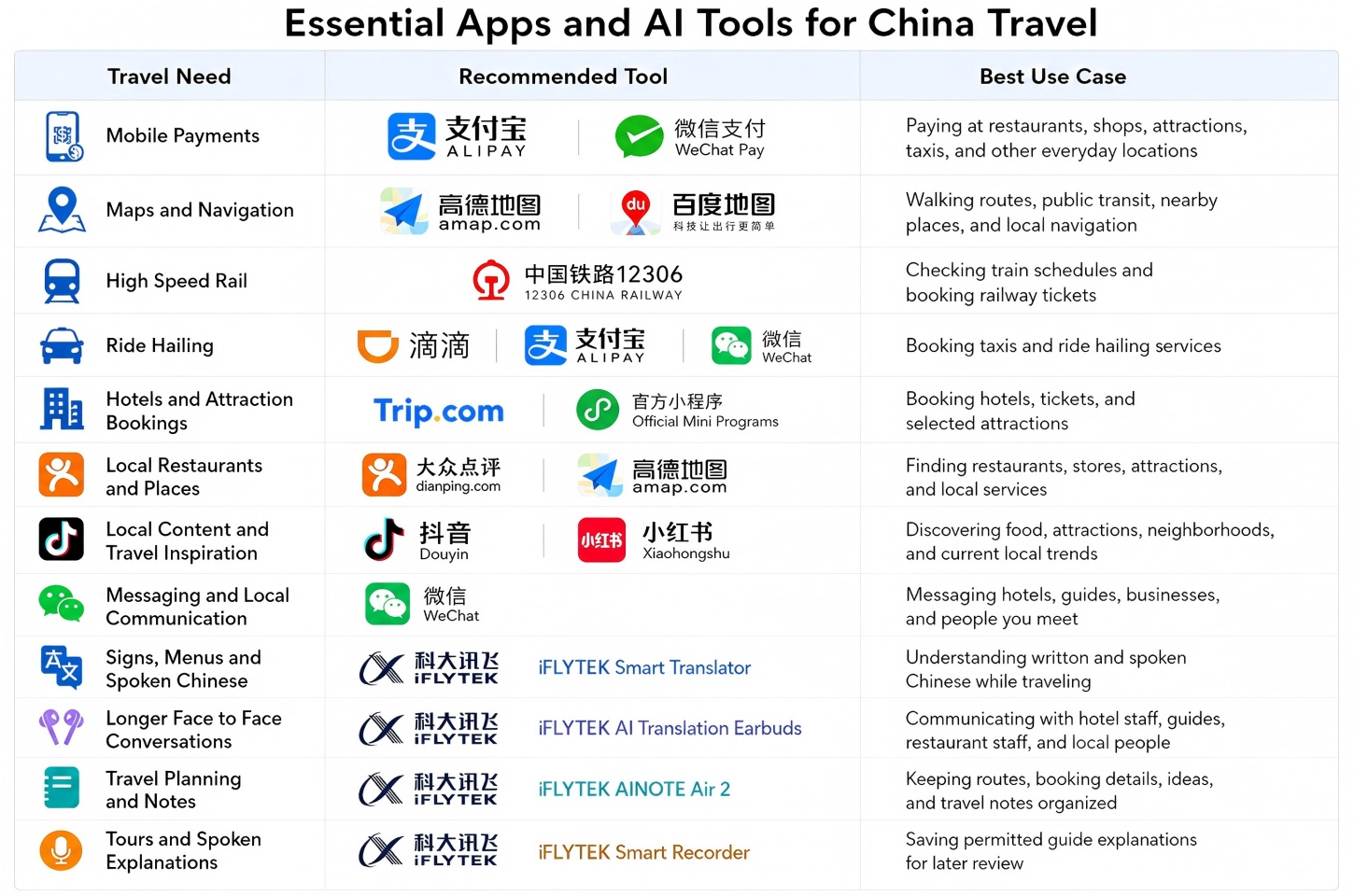
Before Your Trip: Prepare for Traveling in China
Most travel problems are easier to handle before departure than after landing. Set up the apps needed for payments, transportation, navigation, and reservations first, then organize the information you will need throughout the trip.
Build Your Itinerary and Daily Routes
Start with the cities and experiences you want to include, then use Xiaohongshu or Douyin for local inspiration and Amap or Baidu Maps to see whether the route is realistic. General-purpose AI can help group a long list of places into a rough daily plan, but opening hours, travel times, and reservation requirements should still be checked through current local sources. Keep a short list of confirmed stops and flexible options for each day so the itinerary can adapt if plans change.
Check Transport, Bookings and Attraction Requirements
Railway 12306 is the official railway ticketing platform for checking schedules and booking train tickets. Foreign travelers can purchase real-name tickets with a valid passport, and online booking is available when the passenger information is shown as “verified” or “ready to be verified.” Enter passport details exactly as shown on the document and carry the same passport for station checks. Museums and attractions may handle reservations through official websites, WeChat accounts, or Mini Programs, so confirm the current booking channel and entry rules before visiting.
Prepare Payments, Apps and Internet Access
Set up Alipay and WeChat Pay before departure if you plan to rely on mobile payments. Overseas visitors can use foreign mobile numbers for registration and link supported international bank cards, although supported card networks, transaction limits, and fees can change. Complete the setup before the trip, keep cash or another payment method as a backup, and arrange reliable mobile data for maps, ride hailing, messaging, and reservations.
Keep Travel Plans and Booking Details Organized
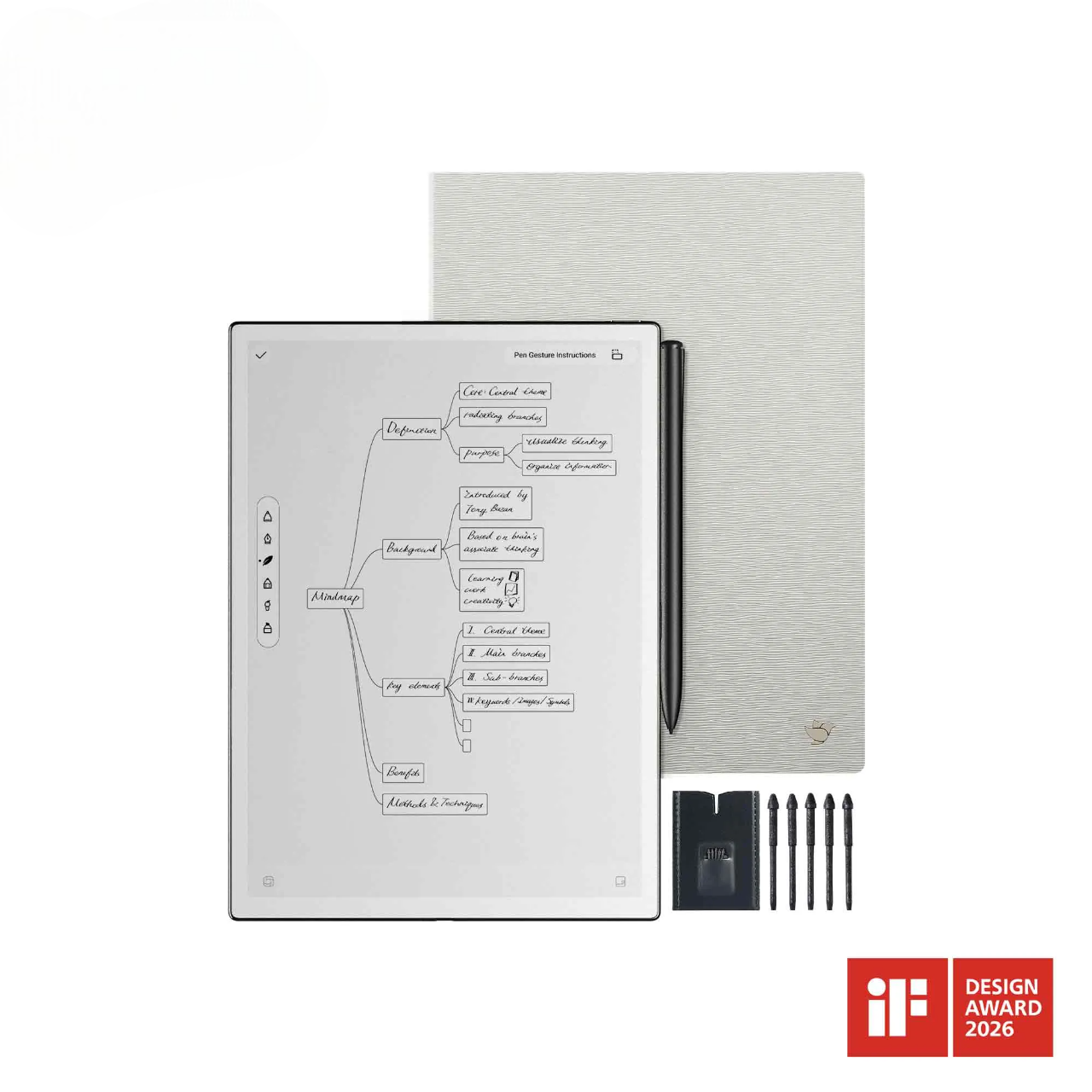
Once bookings are confirmed, the bigger problem is not planning the route but finding the right detail quickly while moving between cities. Keep hotel confirmations, train times, attraction reservations, addresses, and short notes in one travel reference instead of relying on scattered screenshots. The iFLYTEK AINOTE Air 2 can serve as that central notebook for handwritten notes, schedules, and transcribed information, while live changes should still be checked in the original booking or transport app.
During Your Trip: Use AI Tools for Everyday Travel
Once you are in China, the priority shifts from planning to solving immediate problems. Maps, local discovery platforms, translation tools, and communication devices each become useful at different points in the day.
Check Real-Time Transport and Route Changes
Amap and Baidu Maps are useful for current walking routes, subway connections, buses, and nearby places, while DiDi can handle ride hailing when public transport is less convenient. Similar ride services may also be available through Alipay and WeChat. In large stations or commercial areas, check the exact subway exit or pickup point before moving, because the wrong exit can leave you much farther from your destination than expected.
Find Attractions, Restaurants and Local Services
Dianping is useful for comparing restaurants, cafés, shops, attractions, and nearby services, while Xiaohongshu and Douyin can surface current local ideas and neighborhood recommendations. Use Amap to check distance, transit time, and whether several stops fit naturally into the same route before adding them to the day. Treat social recommendations as leads rather than fixed plans, because opening hours, reservation requirements, and local conditions can change.
Translate Signs, Menus and Chinese Text
Menus, station notices, ticket instructions, and attraction information may contain Chinese text that is difficult to type into a translation app. The iFLYTEK Smart Translator can use camera translation to help you understand written content and switch to spoken translation when you need to ask a question, which makes it useful in restaurants, stations, shops, and tourist attractions. Names, prices, dates, addresses, and booking conditions should still be checked carefully when a translation could affect your plans.
Communicate With Hotel Staff and Local People
Text messaging through WeChat works well for simple requests, but longer face-to-face conversations can become awkward when both people keep stopping to type or pass a phone back and forth. The iFLYTEK AI Translation Earbuds support two-way face-to-face translation, including a shared-earbud mode for one-on-one conversations, which can make longer exchanges easier to follow. Because the translation features rely on the Bavvo app and supported language modes vary between online and offline use, pair the earbuds with the phone and confirm the language support you need before the trip.
[product_card1]
Understand Local Terms and Everyday Expressions
Some Chinese words are easy to translate but harder to understand without local context. Dish names, place names, slang, and historical expressions may refer to regional traditions or ideas that a direct translation does not explain. In these situations, general-purpose AI can provide additional context if you include the city, attraction, restaurant, or situation in your question, although regional differences should still be kept in mind.
Explore Chinese History and Culture With AI
Understanding the background behind a place can make museums, historic buildings, food, and local traditions more meaningful. General-purpose AI is useful for quick cultural research, while recordings can help preserve explanations you hear from people on the ground.
Learn the History Behind Famous Sites
Before visiting a palace, historic district, monument, or archaeological site, general-purpose AI can give you a short overview of the dynasty, important figures, and major events connected with it. A little background can make museum labels and guided explanations much easier to follow once you arrive. Detailed or disputed historical claims should still be compared with information provided by the site or other reliable sources.
Understand Museums, Temples and Historic Buildings
Historic buildings often contain architectural, religious, and symbolic details that are easy to overlook without some background knowledge. General-purpose AI can explain unfamiliar concepts such as courtyard layouts, roof structures, imperial architecture, religious imagery, calligraphy, and traditional construction. Use this background to better understand what you see, while relying on the museum or historic site for specific information about the building itself.
Explore Local Food, Customs and Regional Culture
Food is one of the easiest ways to notice how different Chinese regions can be. General-purpose AI can help explain unfamiliar ingredients, cooking methods, the origin of a dish, or local dining customs when you encounter them during the trip. Keep the location in mind, because the food and traditions associated with Sichuan, Guangdong, Beijing, or another region should not automatically be treated as representative of China as a whole.
Understand Cultural Symbols and Local References
Colors, animals, plants, numbers, traditional patterns, and historical figures may carry meanings that direct translation does not reveal. When the same symbol appears repeatedly in a temple, museum, festival display, or piece of architecture, general-purpose AI can help explain its possible cultural associations. The exact meaning may still depend on the region, historical period, and setting.
Capture What a Guide Explains
A guided tour can introduce dozens of names, dates, stories, and architectural details in a short period, and trying to write everything down can take your attention away from the place itself. When recording is permitted and the people involved agree, the iFLYTEK Smart Recorder can capture the spoken explanation and turn it into text for later review. This makes it easier to return to a specific historical story or cultural detail without listening through an entire recording again.
Record and Organize Your China Travel Experience
Good travel records preserve more than locations and photographs. A few organized notes can help you remember why an experience mattered and make the information easier to reuse after you return home.
Write Down Personal Thoughts and Memorable Moments
Small experiences are often the first details to fade after a trip, even when they felt memorable at the time. The iFLYTEK AINOTE Air 2 can work as a digital travel notebook for favorite meals, unexpected moments, personal impressions, and places you may want to revisit. Short, specific notes are usually more useful than trying to write a detailed diary every night.
Keep a Timeline for Travel Videos and Content
If you plan to create travel videos or social content, record where important clips were filmed and what was happening at the time. Add details that may not be obvious from the footage itself, such as the restaurant name, historical background, or why a particular moment mattered. Keeping these notes with the rest of your travel information can save time when you begin editing later.
Organize Highlights From Each Destination
During a multi-city trip, use a short end-of-day note for each destination rather than trying to summarize the whole journey while you are still traveling. Save only the details that are easy to forget later, such as one favorite meal, a useful route tip, a cultural detail, or a place worth revisiting. These quick notes create a clean record for deeper review after the trip without duplicating your itinerary.
Save Ideas for Future Trips
Travel often introduces places you do not have enough time to explore. Save those ideas separately from completed activities and add a short note explaining why each destination interested you. That small amount of context will be much more useful later than returning to a folder of unexplained screenshots or map pins.
After the Trip: Review and Reuse Your Travel Records
Notes and recordings remain useful after the trip ends, especially when they are still fresh enough to organize accurately. Reviewing them soon after returning home can turn scattered travel material into information that is easier to search and reuse.
Review Recordings and AI Summaries
Long recordings can be difficult to revisit after several guided tours or museum visits. Transcripts from the iFLYTEK Smart Recorder make names, explanations, and specific moments easier to locate, while the device can help organize key points for later review. Check proper nouns, dates, and historical details against the original audio or authoritative site information before using them in published content.
Summarize What You Learned From Each Destination
After returning home, review each destination separately and look for patterns that were not obvious during the trip. Compare what you noticed about history, food, architecture, customs, and everyday life across cities or regions, then verify any factual details you plan to reuse. This turns quick travel notes into a more accurate record of regional differences rather than one broad impression of China.
Organize Favorite Food, Attractions and Experiences
Turn your notes into a shortlist of places and experiences you would genuinely recommend or revisit. Add one or two details explaining why each one stood out, such as a favorite dish, the best time of day to visit, or how long an attraction actually took. This is more useful than saving a long list of locations without any context.
Turn Travel Records Into Blogs, Videos or Recommendations
Organized notes and recordings make it easier to create useful content after the trip. General-purpose AI can help group related observations, develop an initial structure, or identify areas that need further research without requiring you to reconstruct the entire journey from memory. Your own experiences should remain the foundation of anything you publish or recommend.
FAQ
Do I Need a Chinese Phone Number to Use Travel Apps in China?
Not always. Alipay and WeChat can support registration with foreign mobile numbers, although individual services and Mini Programs may have their own requirements. Set up the apps you expect to use before departure so you have time to resolve any verification issues.
Should I Carry Cash in China If I Use Alipay or WeChat Pay?
Yes. Mobile payment is convenient, but cash or another payment method is a useful backup if card linking, account verification, network access, or a merchant’s payment setup causes a problem.
Can I Use AI Translation Tools Offline in China?
Yes, some can, but offline language coverage varies. The iFLYTEK Smart Translator supports offline translation, while the AI Translation Earbuds support selected offline language pairs, so confirm the languages you need before departure.
Do I Need a Separate Translator Device If I Already Have a Translation App?
Not necessarily. A phone app may be enough for occasional signs or short exchanges, while a dedicated translator or translation earbuds can be more useful when you expect frequent translation, longer conversations, or limited connectivity.
Are AI Translation Tools Accurate Enough for Traveling in China?
They are useful for routine travel situations, but no translation tool should be treated as error-free. Double-check addresses, prices, names, dates, booking conditions, and other details that could affect your travel plans.
Conclusion
The most effective China travel setup is not one all-purpose AI tool. Use local apps for payments, transport, navigation, bookings, and discovery, then use iFLYTEK tools where they solve a specific gap: translation, longer bilingual conversations, transcription of permitted spoken explanations, and organized travel notes. This division keeps the setup practical and makes it easier to verify time-sensitive details in the original service instead of relying on AI for information that can change.