
Cross-border trade deals often slow down when buyers, suppliers, and project teams leave meetings with different understandings of prices, specifications, deadlines, or responsibilities. Improving international trade communication efficiency is not simply about speaking faster or ending meetings sooner. It requires accurate translation, clear meeting goals, reliable notes, and timely confirmation of the details that affect quotations, approvals, production, and shipping. A practical communication process helps teams reduce repeated clarification, prevent costly rework, and move commercial decisions forward with greater confidence.
Why Communication Efficiency Matters in Cross-Border Trade Meetings
A cross-border meeting is efficient when participants understand the same information, make the required decisions, and leave with aligned next steps. Speed alone is not enough if the team must later correct quantities, deadlines, specifications, or responsibilities.
Language Barriers Slow Real-Time Understanding
Language barriers matter most when a meeting requires immediate reactions rather than prepared presentations. A sales manager may understand general English but struggle when a supplier speaks quickly, changes topics, or uses unfamiliar technical terms. The delay appears in repeated questions, long pauses, and decisions postponed until someone can translate the discussion. Teams should judge whether participants can understand details accurately at normal speaking speed, not simply whether they can hold a basic conversation.
Missed Details Cause Confusion and Rework
Small details often create more rework than major ideas because they determine what each team does next. A misunderstood model number, sample quantity, delivery date, packaging requirement, or testing condition can lead to revised quotations, incorrect prototypes, or conflicting emails. The cost includes repeated checking across sales, sourcing, engineering, logistics, and finance. When details have operational consequences, the meeting should include real-time confirmation and a record for later review.
Clear Communication Builds Global Trust
Trust grows when teams keep information consistent, acknowledge uncertainty, and follow through on confirmed commitments. International partners do not expect every participant to speak perfectly, but they need confidence that their questions will receive accurate answers. Clear communication matters most during supplier evaluations, contract discussions, quality disputes, and schedule changes. Translation tools can help both sides reduce misunderstandings caused by language differences, while long-term trust still depends on transparent decisions, realistic commitments, and consistent follow-up. 
Key Factors That Affect International Trade Communication
International trade communication efficiency depends on how well teams manage language differences, technical terminology, cultural expectations, time pressure, and meeting records. These factors often affect one another. Accurate translation alone may not prevent mistakes if participants use different terms, rush decisions, or leave without a shared record.
Real-Time Understanding in Live Conversations
Real-time understanding determines whether participants respond to what the other side actually means or rely on incomplete information and assumptions. In price negotiations, product demonstrations, factory meetings, and issue-resolution calls, topics can change quickly, so waiting for post-meeting translation often slows decisions and breaks the flow. Teams should choose support based on the meeting type. A professional interpreter may be more suitable for complex negotiations, while AI translation devices can help participants follow routine discussions, product introductions, and on-site conversations with fewer interruptions and repeated questions.
Accurate Translation of Terms and Product Info
Trade meetings often combine everyday language with product specifications, industry terms, abbreviations, and commercial conditions. Even fluent translation can create confusion when both sides use different terminology for tolerance ranges, material grades, warranty coverage, or delivery responsibilities. Teams can reduce this risk by preparing a shared glossary and displaying numbers, units, model names, and key conditions in writing. Translation tools can then support the flow of conversation, while written information keeps error-prone details clear and consistent.
Accents, Speaking Styles, and Cultural Differences
Communication problems do not always come from different languages. Strong accents, indirect answers, fast speech, and different attitudes toward disagreement can make the same language difficult to interpret. One participant may treat we will try as a commitment, while another intends it only as a polite possibility. Effective teams ask neutral follow-up questions and confirm the practical meaning of an answer instead of judging certainty from tone alone.
Meeting Pace, Time Zones, and Pressure
A meeting held at an inconvenient hour or under deadline pressure makes missed details more likely. Participants may rush because a factory shift is ending, a shipment cutoff is approaching, or one side is joining outside normal working hours. The agenda should place complex decisions early, reserve time for confirmation, and separate urgent actions from topics needing more research. When fatigue is high, shorter meetings with written follow-up often work better than one overloaded call.
Accurate Notes and Consistent Information
Cross-border communication becomes difficult when participants leave the meeting with different versions of what was discussed. Personal notes may miss context, while follow-up emails may include points that were never clearly confirmed. A useful meeting record should connect each decision with an owner, deadline, open question, and related source material. For information-dense meetings, digital notebooks for meeting notes can keep handwritten comments, transcripts, and supporting files in one workflow, making it easier to organize decisions and action items without rebuilding the discussion from scattered sources.
How to Reduce Communication Barriers Before the Meeting
Most meeting problems are easier to prevent than repair. Preparation should focus on what must be decided, which details carry the most risk, and what language or note support participants need.
Confirm the Meeting Goal First
A meeting should have one clear outcome, such as approving a sample, resolving a quality issue, comparing quotations, or agreeing on a shipment plan. Without that goal, participants may exchange useful information but still leave without a decision. The organizer should state what must be confirmed, who has decision authority, and which topics fall outside the current scope. This matters when several departments attend because each group may otherwise follow a different priority.
Prepare Details, Questions, and Key Terms
Preparation reduces the amount of information participants must process for the first time during the meeting. Before the call, prepare and share:
- Exact questions that need clear answers
- Product codes and model numbers
- Quantities, units, and target dates
- Technical or commercial terms that may cause confusion
- A bilingual glossary for recurring discussions
The glossary should reflect the language the business actually uses, but it should not replace subject expertise. New, unclear, or disputed terms still need to be confirmed by someone familiar with the product, contract, or process.
Share Background Materials in Advance
Documents sent before the meeting give participants time to review difficult details in their strongest language. Useful materials include drawings, quotation comparisons, inspection photos, order histories, packaging requirements, or a short issue timeline. Each file should use a clear version name so nobody discusses an outdated specification. Sensitive documents may require controlled access, and large unstructured attachments can make the key question harder to find.
Set Up Translation and Note Support
Test translation and note-taking support before participants join the meeting. Confirm the following items in advance:
- The correct language pair
- Microphone position and audio quality
- Internet connection and battery level
- Required app permissions
- Who will save the meeting record
- Who will organize the follow-up notes
Choose a translation mode that matches the meeting format:
- Phone calls: Follow multilingual conversations with real-time translation.
- Face-to-face meetings: Use two-way translation without repeatedly passing a phone or pressing buttons.
- Online meetings: Follow simultaneous interpretation and retain bilingual transcripts for later review.
- Presentations and larger meetings: Use listening mode to follow speakers from approximately 5 to 8 meters away.
iFLYTEK AI Translation Earbuds also support 18 offline language pairs when internet access is limited. Prices, quantities, delivery dates, model numbers, and technical specifications should still appear on a shared screen or document so critical details do not depend on spoken translation alone.
How to Keep Cross-Border Meetings Clear and Actionable
During the meeting, the priority is to preserve meaning without slowing every exchange. Teams need a balance between natural conversation, careful confirmation, translation support, and reliable documentation.
Use Simple Language for Complex Topics
Simple language reduces ambiguity without reducing technical depth. Speakers should use shorter sentences, one question at a time, and concrete verbs when discussing responsibilities or deadlines. Idioms, regional expressions, and vague phrases such as as soon as possible can translate inconsistently. For complex explanations, separate the problem, evidence, required action, and expected result so participants can confirm each part.
Confirm Key Details During the Meeting
The safest time to correct a misunderstanding is while the relevant people and documents are available. After discussing a price, quantity, specification, date, or responsibility, restate it and ask the other side to confirm it in their own words. This works better than asking Do you understand? because people may agree politely without noticing a difference in interpretation. Confirmation should remain selective because repeating every sentence would disrupt the conversation.
Use Real-Time Translation Support
Real-time translation is most valuable when language gaps would otherwise force one participant to stop and relay every exchange. It can keep introductions, questions, demonstrations, and routine negotiations moving while giving participants more direct access to each other’s meaning. The earbuds support real-time interpretation across 60 languages and include more than 100,000 specialized terms covering fields such as manufacturing, finance, healthcare, and law. For Chinese-English simultaneous interpretation, first-word playback latency can be as low as two seconds, helping the conversation stay closer to its natural pace. Teams should still speak clearly, avoid overlapping voices, and pause around numbers or technical terms. For disputes, contracts, regulatory matters, or safety instructions, professional interpreters and qualified reviewers may be more appropriate than automated translation alone.
Capture Key Points Without Interruptions
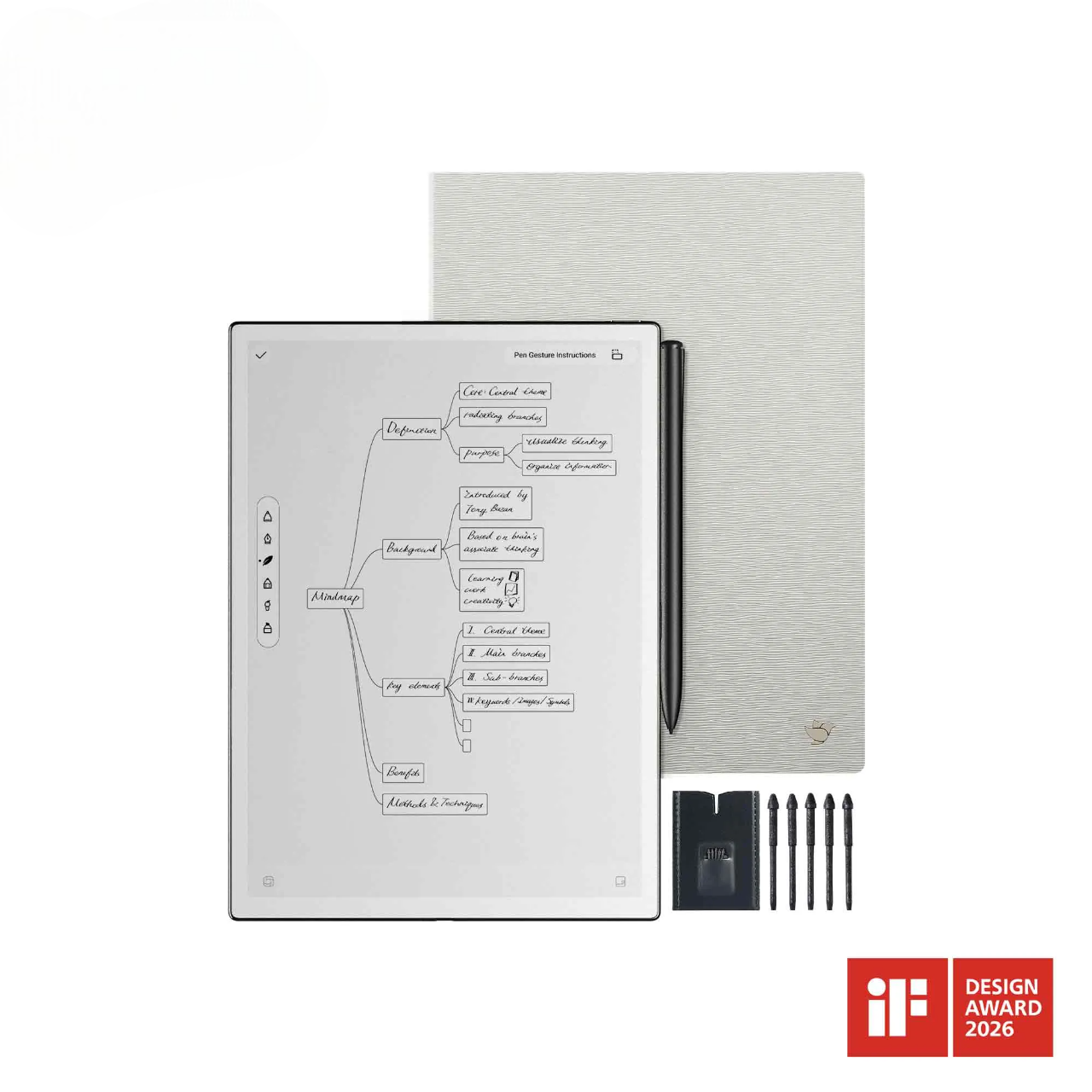
When one person tries to listen, translate, negotiate, and take complete notes, at least one task usually suffers. iFLYTEK AINOTE Air 2 combines voice-to-text, handwritten notes, and AI meeting tools in one device, helping users capture the discussion while making decisions, questions, and details that need further review. Support for 12 dialects, translation across eight foreign languages, and 16 industry-specific vocabulary libraries also helps with multilingual trade discussions involving specialized terminology.
Powered by the iFLYTEK Spark large language model, it can generate meeting minutes, organize summaries by speaker, and produce more detailed professional records. Its note analysis tools can identify insights across the discussion, review related historical notes, and turn key information into a mind map. Open-ended Q&A, selected-text search, and the AI document assistant make it easier to retrieve specific details afterward, while AI writing and weekly report tools can help turn confirmed decisions into follow-up drafts and progress updates. Names, numbers, model codes, and contractual terms should still be checked before the output is treated as an official record.
Turn Notes Into Shared Next Steps
Meeting notes become useful when they tell each participant what happens next. A clear summary separates confirmed decisions from open questions, assigns an owner to every action, and uses dates with an unambiguous time zone or calendar reference. Send it soon enough for participants to correct misunderstandings before work begins. If a point remains disputed, record the different interpretations instead of presenting agreement where none exists.
FAQ
Do small teams need an interpreter for every cross-border meeting?
No, not every meeting requires a professional interpreter. Routine introductions, progress updates, and low-risk discussions may be handled with clear language and translation tools, while contracts, disputes, safety instructions, and high-value negotiations usually need qualified human support.
How can teams verify translated technical terms?
Compare the translated term with approved specifications, product drawings, industry documents, or a shared bilingual glossary. When the term affects quality, compliance, pricing, or delivery, ask a subject specialist to confirm it before the team makes a decision.
Can AI translation tools work in noisy factories or trade shows?
They may help, but background noise, overlapping speakers, distance, and specialized terminology can reduce accuracy. Test the tool in the actual environment, keep microphones close to the speaker, and confirm important numbers or instructions in writing.
How should teams handle meetings with three or more languages?
Choose one working language for shared decisions and provide translation support for participants who need it. Use one speaker at a time, keep written terms visible, and distribute a single approved meeting summary so separate language groups do not leave with different versions of the agreement.
Conclusion
The level of communication support should match the consequences of getting the message wrong. Routine updates may only require clear language, real-time translation, and organized notes, while contracts, safety issues, technical disputes, and major commercial decisions need qualified human review and written confirmation. An efficient cross-border meeting is not simply one that ends quickly. It is one that leaves every participant working from the same decisions, responsibilities, and verified details.