
Going paperless at work in 2026 is about building a more efficient digital workflow, not simply using fewer printed documents. For most offices, the goal is to reduce paper in high-frequency tasks such as document review, meeting notes, approvals, file storage, and daily communication, so information can be created, found, shared, and managed more easily.
The real challenge is that paper still appears in the moments where work needs to move quickly. Teams may print PDFs for review, write meeting notes in notebooks, collect signatures on paper forms, or store important files in folders that are difficult to search later. A practical paperless office should focus on these friction points first, helping teams reduce unnecessary printing and move important work information into a more searchable digital workflow step by step.
What Is a Paperless Office?
A paperless office uses digital tools to replace paper-heavy tasks with faster, more organized workflows. Instead of keeping notes, approvals, reports, and records in separate paper formats, teams manage them through digital systems that are easier to access, update, and control.
Partially Paperless Vs Fully Paperless
Most businesses do not need to go fully paperless at once. The difference mainly depends on how much of the daily workflow has moved from paper to digital systems.
- Partially paperless: Some paper is still used, but common tasks like meeting notes, forms, invoices, reports, and approvals are handled digitally.
- Fully paperless: Nearly all documents, signatures, records, approvals, and internal communication are managed through digital tools.
For most workplaces, a partially paperless model is the easier and more practical starting point.
Tools and Technologies to Support a Paperless Office
The right paperless office tools should match the paper problems a team actually has. Cloud storage can replace physical file folders, digital signatures can reduce printed approval forms, project management tools can organize scattered updates, and digital note-taking devices can help move handwritten meeting notes and printed document reviews into a digital workflow.
Cloud Storage and Document Management Systems
Cloud storage and document management systems are the foundation of a paperless office because they give teams one place to store, organize, and retrieve files. Instead of keeping contracts, reports, forms, and internal records in filing cabinets or local folders, businesses can use digital folders, search functions, version history, and access permissions to manage documents more efficiently.
Digital Signature Solutions
Digital signature solutions help reduce one of the most common reasons offices still print documents. Contracts, approval forms, HR documents, and business agreements often need signatures, but printing, signing, scanning, and emailing them back can slow down the process. With e-signature tools, teams can complete approvals faster and keep signed records in a digital system.
Collaboration and Project Management Tools
Collaboration and project management tools help teams move from scattered paper notes and manual follow-ups to shared digital workflows. Employees can assign tasks, track project progress, comment on documents, upload files, and review updates in one place. This makes communication clearer, especially for hybrid teams or departments that need to work together across different locations.
E-ink Tablets for Digital Note-Taking
E-ink tablets are useful tablets for business when a team wants to reduce paper without losing the natural feel of handwriting and document review. They can replace paper notebooks, printed meeting materials, and handwritten drafts with a digital workflow that is easier to save, search, organize, and share. For meetings, PDF review, planning, and brainstorming, an E-ink tablet helps bridge the gap between paper habits and a more connected office system.

How to Build a Paperless Workflow
Building a paperless workflow should start with the daily tasks where paper causes the most delay or confusion. Instead of changing everything at once, businesses can first digitize common documents, move meeting notes into searchable systems, help employees use the right tools, and review the process regularly.
Digitize Documents and Meeting Notes
The first step is to convert paper documents, printed files, and handwritten meeting notes into digital formats. Teams can scan older records, store new files in cloud folders, and use digital note-taking tools to capture meeting discussions directly. This makes information easier to search, share, update, and connect with follow-up tasks.
Train Teams to Use Digital Tools
A paperless workflow only works when employees know how to use the tools in their daily work. Training should focus on simple actions such as uploading files, naming documents, sharing notes, signing forms digitally, and finding stored records. When the process feels clear and easy, teams are less likely to return to printing or using separate paper notebooks.
Review and Improve the Workflow
After the new workflow is in place, businesses should review what is working and where paper is still being used. Some teams may need better file rules, clearer approval steps, or more suitable note-taking tools. Regular review helps the paperless system stay practical, organized, and useful instead of becoming another confusing digital process.
How iFLYTEK AINOTE 2 Fits Paperless Work
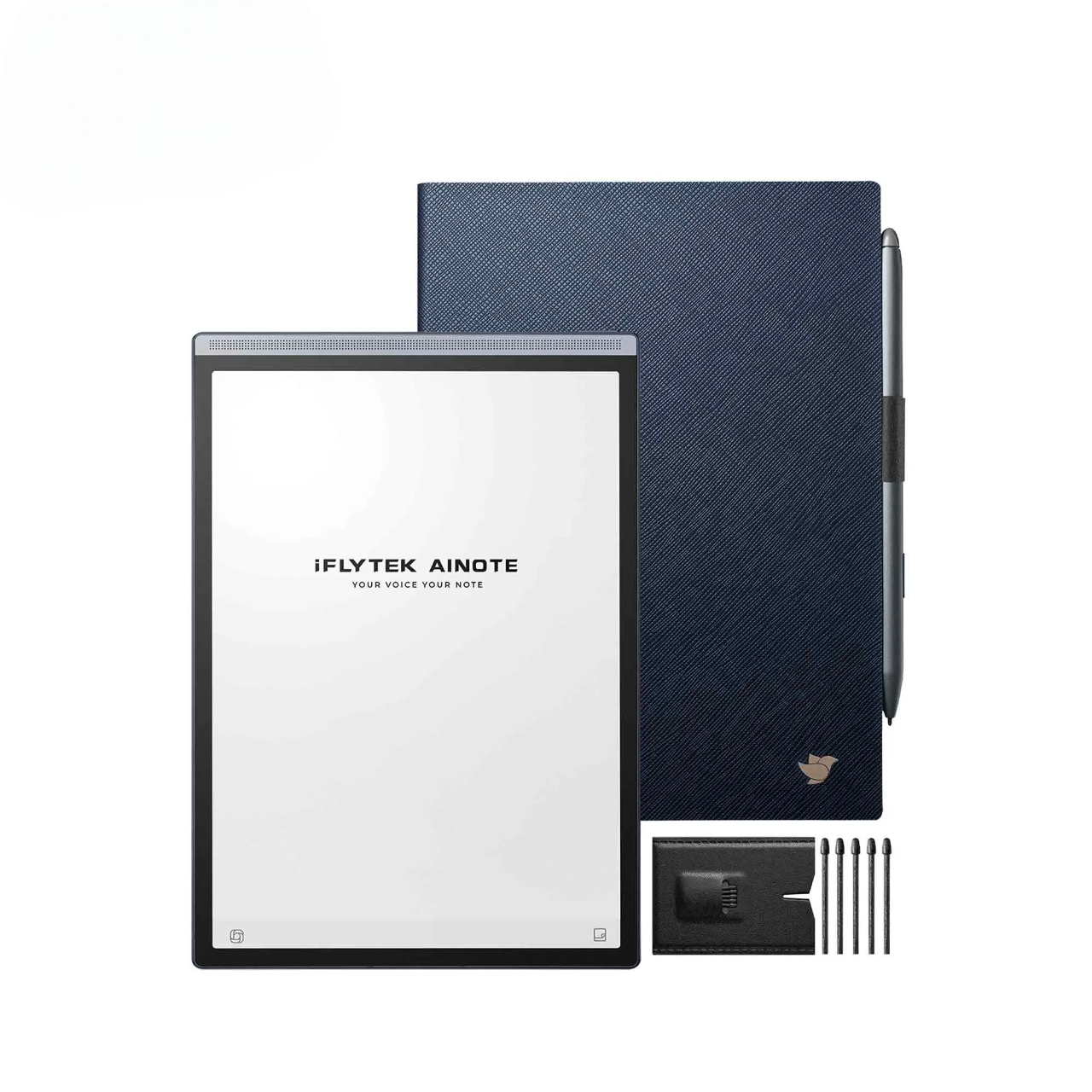
iFLYTEK AINOTE 2 fits into a paperless office by addressing several paper-heavy tasks that still appear in daily work: printed PDF review, handwritten meeting notes, manual note-taking, and carrying folders between meetings. It keeps the familiar feel of reading and writing while helping users move notes, documents, and work materials into a more organized digital format.
Review PDFs Without Printing Documents
Many offices still print PDFs, contracts, reports, and presentation files because long document review can feel uncomfortable on a laptop screen. AINOTE 2 gives users a paper-like way to read and mark up files digitally, helping teams reduce one-time printing for document review while keeping comments and files easier to organize.
- Review PDFs without printing extra copies
- Mark key points directly on digital documents
- Keep contracts, reports, and meeting files in one device
- Reduce paper waste from one-time document reviews
This makes document review easier to keep inside a paperless workflow instead of turning every file into a printed copy.
Take Meeting Notes Without Paper
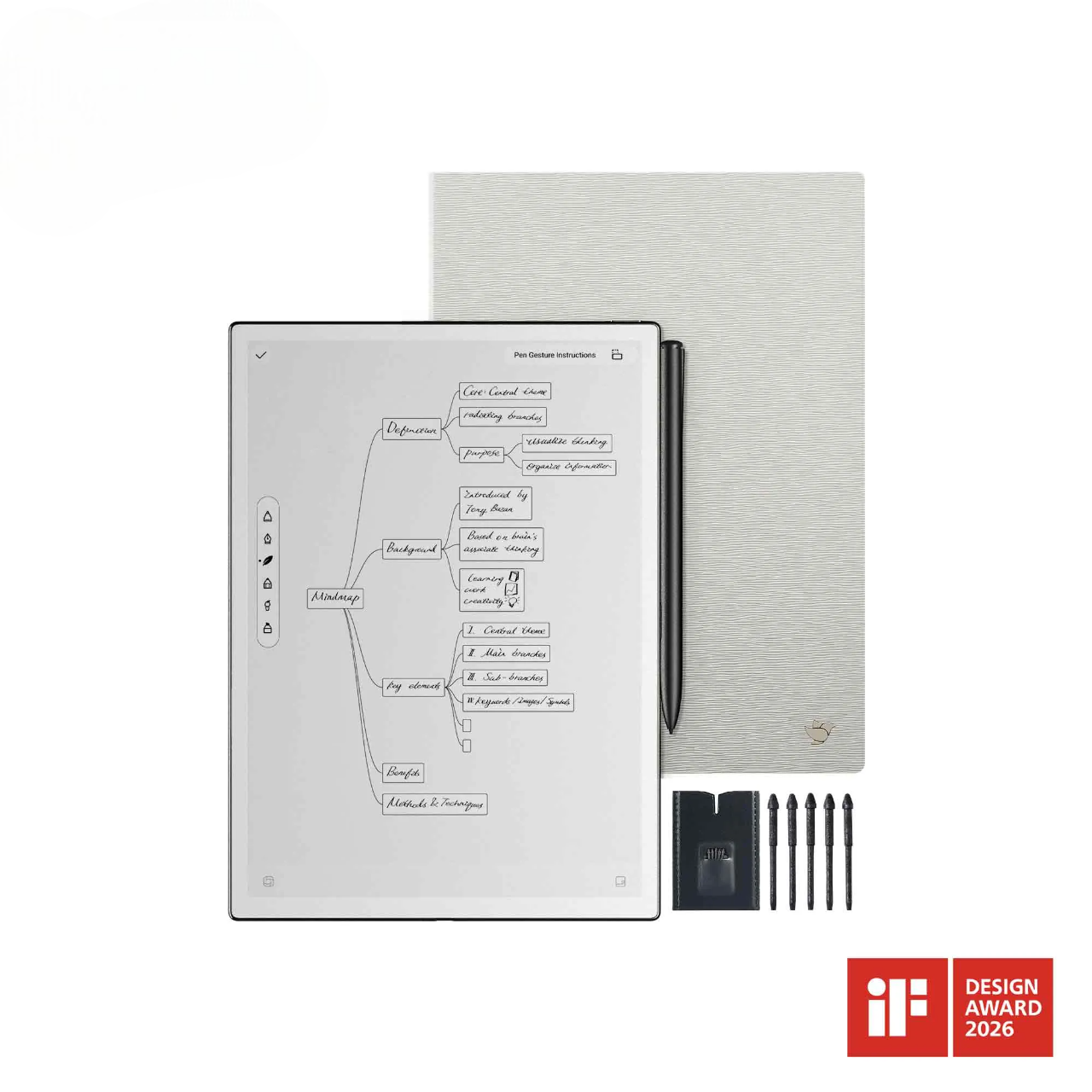
Meeting notes are one of the easiest places to start going paperless because many teams still rely on notebooks, loose pages, or printed agendas during discussions. With AINOTE 2, employees can write naturally in meetings while keeping notes in a digital format that is easier to review, organize, and connect with follow-up work.
Convert Handwriting into Digital Records
Handwritten notes often lose value when they stay inside notebooks, loose pages, or paper folders because they are hard to search, update, or reuse. AINOTE 2 helps convert handwriting to text and turn handwritten content into digital records through handwriting recognition and searchable note organization, so meeting notes, ideas, and follow-up details can be found and used again later.
Use With a Keyboard for Paperless Typing
For users who need to write longer drafts, meeting summaries, or structured notes, AINOTE 2 can also support paperless typing with a keyboard. This helps employees move between handwriting and typed content without printing drafts, rewriting notes manually, or switching back to paper for longer writing tasks.
Carry Notes and Documents Anywhere
A paperless office works better when employees can access notes and documents beyond one desk or filing cabinet. AINOTE 2 supports a more portable workflow for people who move between meetings, offices, classrooms, and business trips.
- Carry meeting notes, PDFs, and work documents in one device
- Review files without bringing printed folders
- Access handwritten notes during follow-up discussions
- Keep work materials organized while traveling or moving between locations
This helps employees stay connected to their paperless workflow without depending on physical notebooks, folders, or printed copies.

FAQ
How Much Can a Company Save by Going Paperless?
A company can save by reducing daily printing, ink replacement, printer maintenance, paper storage, mailing, and manual filing time. The most noticeable savings usually come from paper-heavy workflows such as contracts, invoices, meeting notes, HR forms, and approval documents, where the same file is often printed, signed, scanned, stored, and searched again later.
Is Going Fully Paperless Realistic for Every Office?
Going fully paperless is not realistic for every office because some industries still need physical copies for compliance, client signatures, shipping, legal records, or on-site operations. A more practical approach is to digitize high-frequency tasks first, such as meeting notes, internal approvals, document reviews, project plans, and employee forms.
How to Handle Sensitive or Confidential Documents Digitally?
Sensitive documents should be managed in a secure, searchable, and traceable digital workflow. With iFLYTEK AINOTE 2, users can read and annotate PDFs, Office documents, and image files in one device, convert handwritten notes into searchable text with OCR, and sync files through AINOTE cloud services for easier access and backup.
Can Paperless Workflows Improve Productivity?
Yes, paperless workflows can improve productivity by reducing the time spent printing, scanning, filing, and searching for paper records. With iFLYTEK AINOTE 2, users can write meeting notes by hand, and this e ink tablet is perfect for note-taking because it can convert handwriting into searchable text with OCR, review and annotate PDFs, and organize notes, documents, and action items in one device. This helps teams move faster from reading and note-taking to review, sharing, and follow-up, instead of losing time across paper notebooks, printed files, and separate digital tools.
What Are the Most Effective Paperless Office Tools in 2026?
The most effective paperless office tools include cloud storage, document management systems, digital signature platforms, project management software, team collaboration apps, and digital note-taking devices. These tools work best when they support common office tasks such as file sharing, approvals, meeting notes, PDF review, task tracking, and cross-device access.
Conclusion
A paperless office in 2026 should start with the paper-heavy tasks that slow work down most often, such as document review, meeting notes, approvals, and file storage. When these tasks move into a digital workflow, teams can reduce unnecessary printing while making information easier to find, share, protect, and reuse.