
In modern learning and work environments, the real problem is no longer “lack of information”, but how to efficiently capture, structure, and reuse information. Traditional paper notebooks and fragmented mobile notes often break the learning flow, while voice recordings alone lack organization.
This is where the voice-driven learning method becomes powerful: it transforms speech into structured knowledge, and when combined with AI digital notebooks, it builds a complete learning system instead of scattered notes.
Voice-Driven Learning Method: From Speech to Structured Knowledge
The core idea is simple:
Speak → Transcribe → Structure → Review
Instead of manually typing everything, users rely on AI handwriting to text and speech recognition to capture ideas in real time. This is especially useful in:
- Classroom lectures
- Business meetings
- Online courses
- Brainstorming sessions
- Language learning
Compared with traditional note-taking, this method allows users to stay focused on understanding rather than writing everything down.
Modern tools such as electronic writing notebook systems make this workflow practical, turning raw speech into usable knowledge assets.
From Notes to Knowledge: The Role of Digital Notebooks
A modern digital notebook for note taking is no longer just a writing surface. It acts as a structured knowledge hub.
Unlike a traditional notebook paper digital approach, a digital notepad for taking notes integrates multiple capabilities:
- Speech-to-text transcription in real time
- Handwriting capture using stylus input
- Automatic structuring of notes by topic
- Cloud synchronization through systems like AINOTE cloud
- Full-text search across all notes
This is why categories like digital ink notepads are replacing traditional paper notebooks.
The goal is no longer just storing notes, but making them searchable, reusable, and learnable.
Why Digital Paper Devices Are Replacing Traditional Notebooks
The rise of paperlike tablet devices reflects a shift toward distraction-free computing.
A modern digital writing notebook typically provides:
- Paper-like writing feel for natural handwriting
- Eye-friendly E-Ink display for long reading sessions
- Extremely low power consumption
- Instant saving and cloud backup
- AI-assisted organization and summarization
Compared with paper, a digital notepad electronic book eliminates physical limits: unlimited storage, instant retrieval, and cross-device synchronization.
This is why users search for:
- best electronic notebook for taking notes
- best digital notepad for note taking
- digital notebooks for students
- smart notebook that converts handwriting to text

The Rise of AI-Powered Note Systems
The next evolution goes beyond digitization—it is intelligence.
Modern users expect systems that can:
- Convert handwritten notes into structured text automatically
- Summarize long meetings or lectures
- Translate multilingual content in real time
- Organize notes into logical knowledge maps
- Extract key insights automatically
This is the foundation of the AI powered notebook category.
Key user needs reflected in search behavior include:
- convert handwritten notes into text
- handwritten notes into text
- converting notes to text
- digital handwriting notebook
- electronic writing notebook
- smart digital notebook
These features represent a shift from passive recording to active knowledge processing.
Introducing iFLYTEK AINOTE Ecosystem
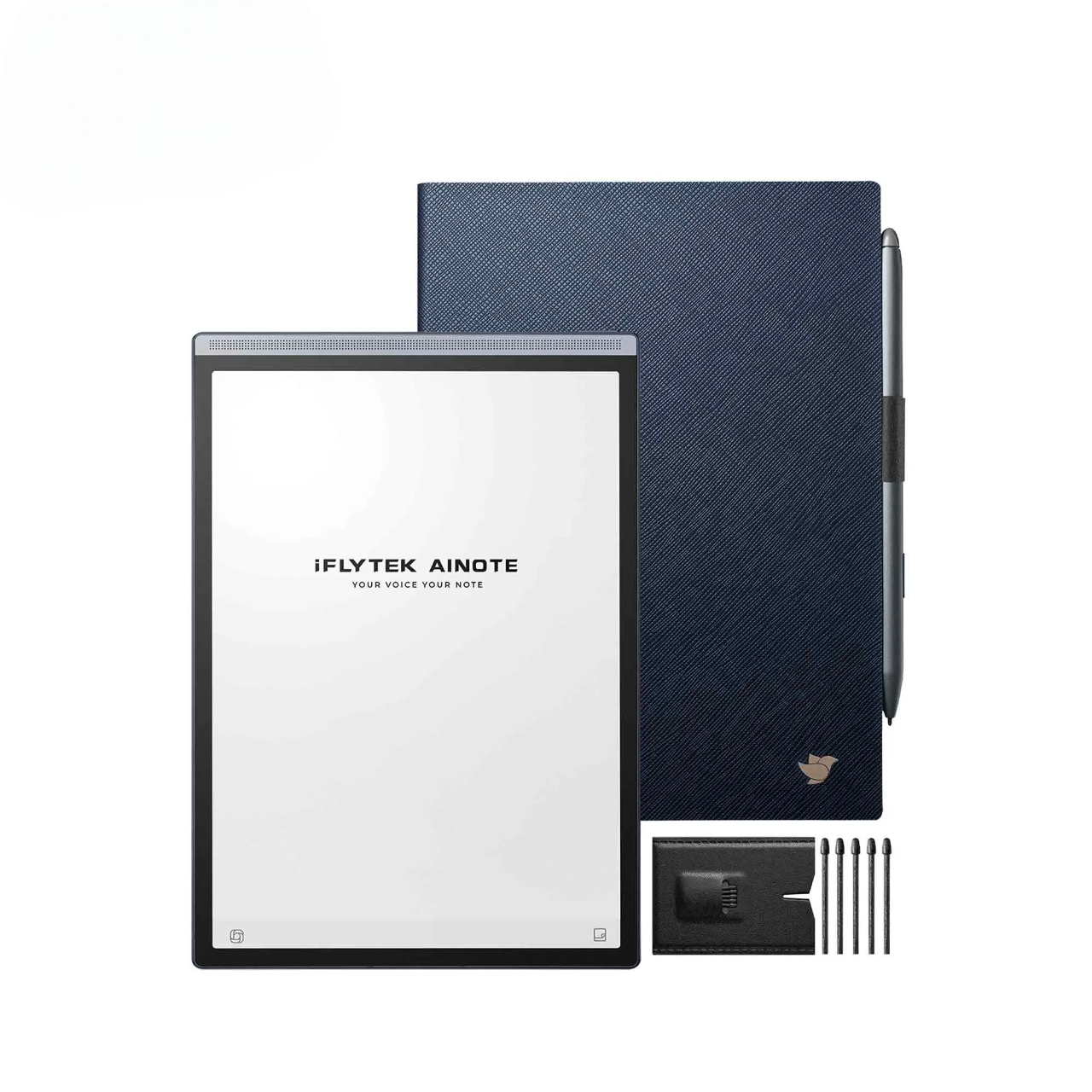
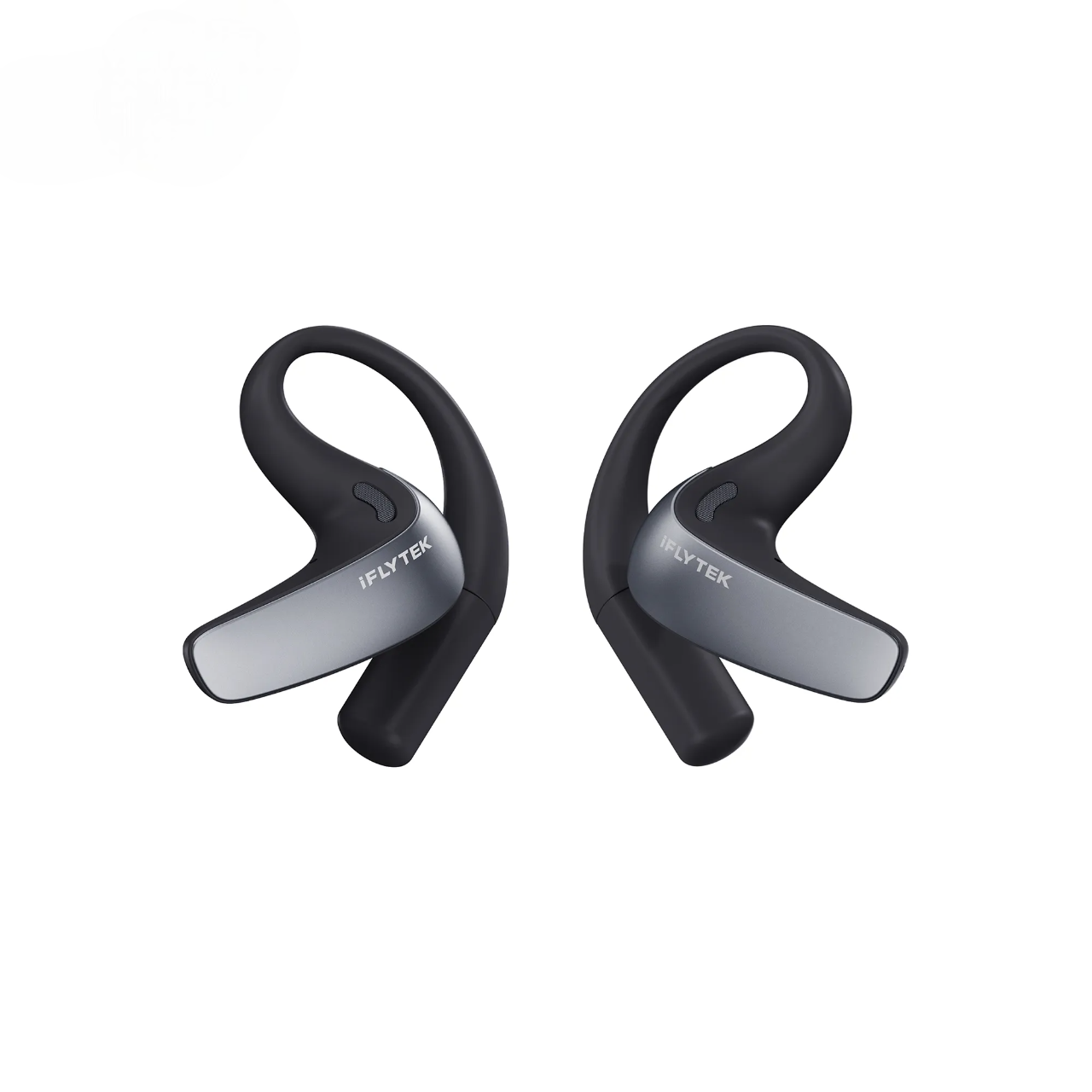
At the center of this transformation is the iFLYTEK AINOTE series, which combines E-Ink writing experience with advanced AI capabilities.
Two key devices are:
Both devices are positioned as digital handwriting notebook systems, but they differ in capability depth.
iFLYTEK AINOTE Air 2: Lightweight AI Writing and Capture Device
iFLYTEK AINOTE Air 2 is designed as a portable digital notebook for fast capture and lightweight productivity.
Core capabilities
- Real-time voice-to-text transcription
- Converts spoken content into structured text instantly
- Ideal for lectures, meetings, and interviews
- Reduces the need for manual typing during fast speech scenarios
- Handwriting recognition (AIhandwriting to text)
- Converts handwritten notes into editable digital text
- Keeps original handwriting while generating searchable text layers
- Useful for students taking math, language, or structured notes
- E-Ink writing experience
- Paper-like writing feel
- Low eye strain for long sessions
- Designed as a digital notepad like paper
- Smart note organization
- Automatically stores notes by date and topic
- Supports tagging and basic classification
Typical use cases
- Classroom note-taking
- Daily task management
- Quick meeting minutes
- Idea capture on the go
It fits well for users searching for:
- small electronic notebook
- writing digital notebook
- digital notepad for note taking
- electronic writing notebook

iFLYTEK AINOTE 2: Advanced AI Knowledge and Productivity System
iFLYTEK AINOTE 2 is a more advanced AI-powered digital notebook system designed for deep knowledge work.
Core capabilities
- Advanced voice transcription + structuring
- Captures long-form meetings and lectures
- Automatically separates speakers and topics
- Generates structured meeting notes instead of raw transcripts
- AI summarization engine
- Extracts key points from long documents or recordings
- Produces concise summaries for quick review
- Helps reduce information overload
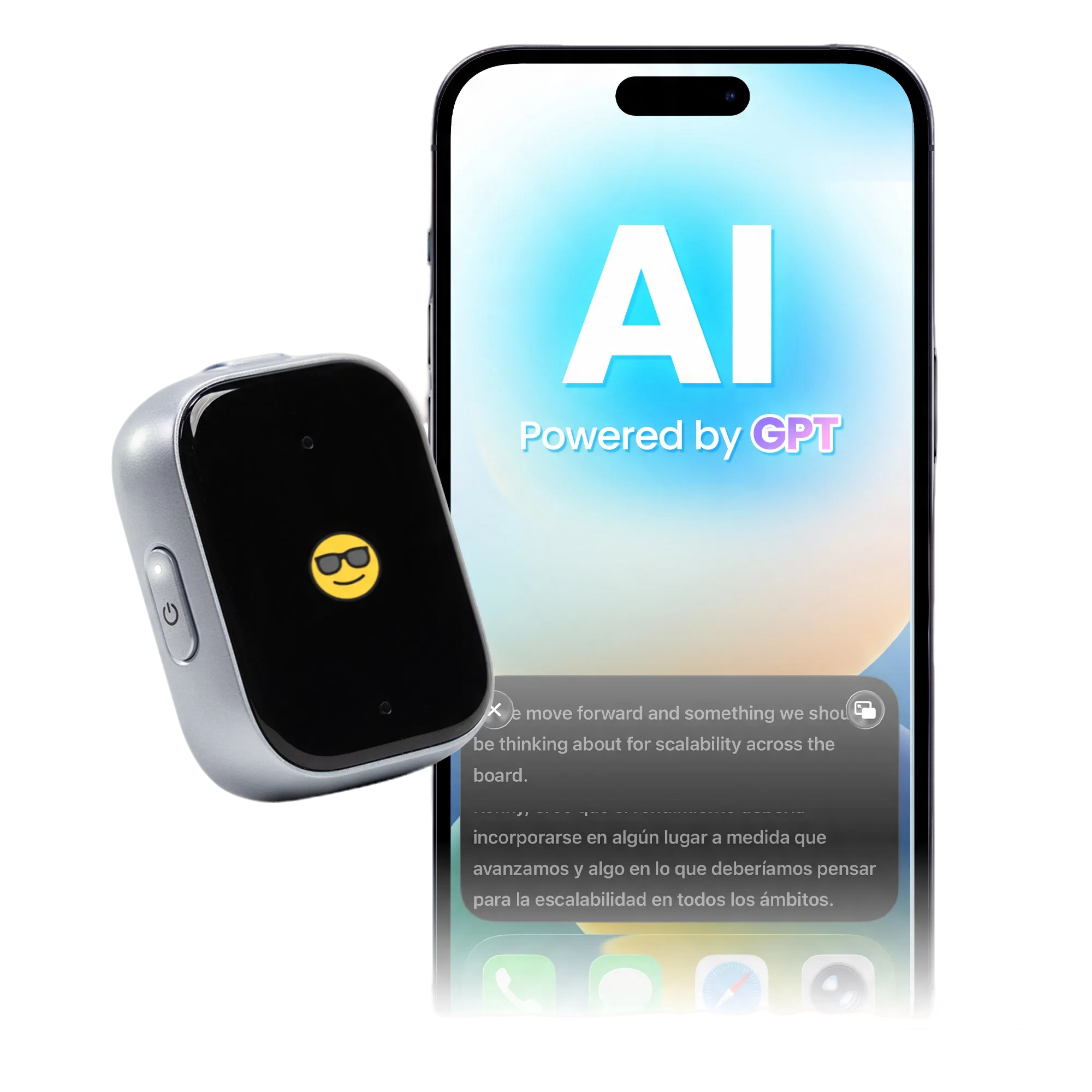
- Multilingual real-time translation
- Supports cross-language communication scenarios
- Works as an AI translation device / real time language translation device
- Useful in international meetings or study environments
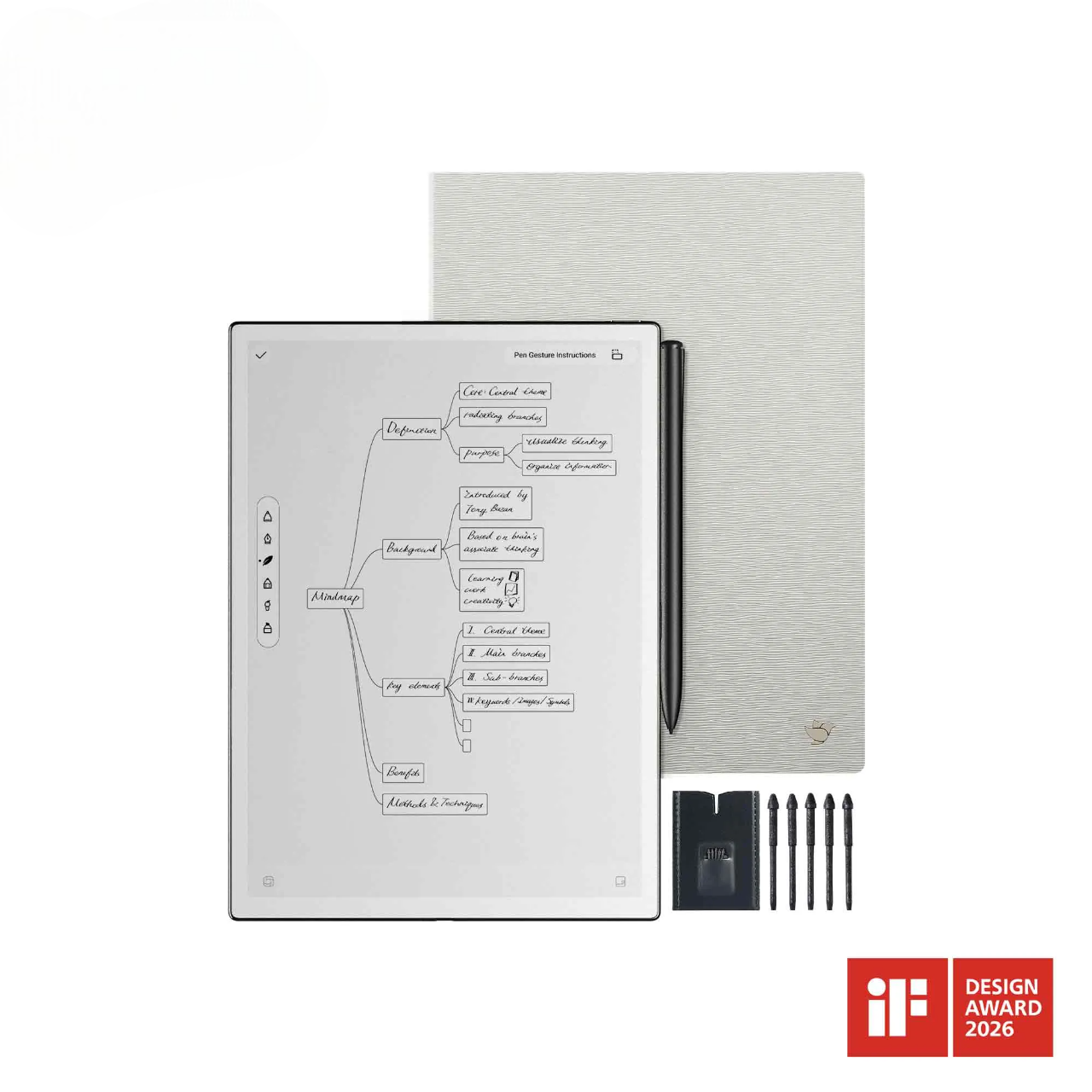
- Deep handwriting + digital integration
- Combines stylus handwriting with AI processing
- Converts handwritten diagrams and notes into structured digital content
- Supports mixed input workflows (voice + text + handwriting)
- Knowledge management system
- Organizes notes into structured knowledge bases
- Enables keyword search across all captured content
- Works like a digital paper notebook + AI archive system
Typical use cases
- Business meetings and corporate documentation
- Research and academic study
- Cross-language collaboration
- Long-term knowledge management
It aligns with searches such as:
- best tablet for business 2025
- tablets for business professionals
- recording devices for meetings
- AInote taking tablet
- remarkable 2 alternative
Why AINOTE Devices Fit Modern Learning Systems
When combined with the voice-driven learning method, AINOTE devices form a complete workflow:
Step 1: Capture
- Voice recording (lecture/meeting)
- Handwriting input via stylus
- Mixed content capture
Step 2: Convert
- AIhandwriting to text conversion
- real-time speech-to-text
- multilingual translation (AINOTE 2)
Step 3: Structure
- AI summarization
- automatic topic segmentation
- cloud sync via AINOTE cloud
Step 4: Reuse
- keyword search across all notes
- structured review
- exam or meeting preparation
This creates a continuous loop from input → processing → knowledge reuse.
From “Digital Notebook” to “AI Knowledge System”
Traditional tools answer:
“How do I record this?”
Modern AI notebooks answer:
“How do I understand, structure, and reuse this knowledge later?”
This is why search terms such as:
- digital notebook for note taking
- digital notepad for taking notes
- smart digital notebook
- writing digital notebook
- notebook digital notes
are increasingly associated with intelligent systems rather than simple writing devices.
Conclusion: A New Generation of Learning and Work Tools
The combination of voice-driven learning methods and AI digital notebooks represents a major shift in productivity.
Instead of separating listening, writing, and organizing, everything is unified into one intelligent workflow.
Devices like iFLYTEK AINOTE Air 2 and iFLYTEK AINOTE 2 are not just digital notebooks—they are AI-assisted learning and productivity systems designed for:
- Students improving learning efficiency
- Professionals managing meetings and reports
- Language users needing translation support
- Knowledge workers building long-term knowledge bases
In this new paradigm, the real value is no longer in “writing notes”, but in turning every piece of information into usable intelligence.