

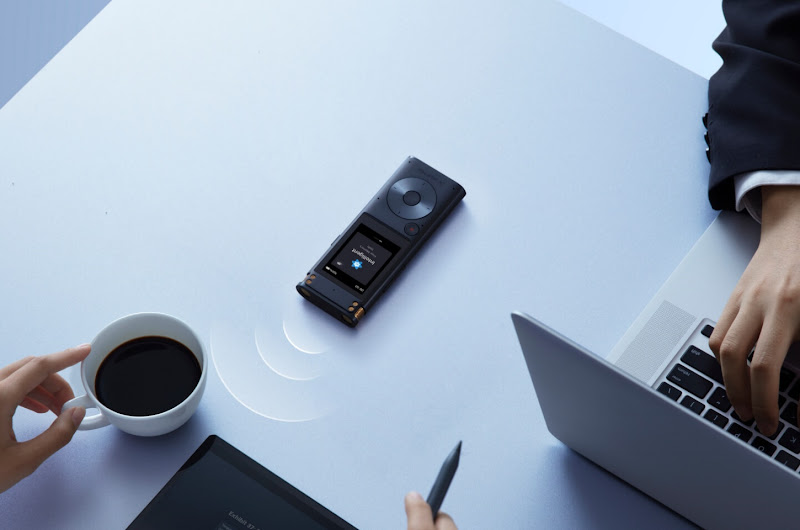
Voice recording has become a powerful tool. Students record lectures to avoid missing details. Professionals record meetings to review discussions later. Journalists record interviews for accuracy. Even travelers use smart recorders to capture local conversations for language learning.
But here’s the big question: is it legal to record someone without their permission?
The answer isn’t as simple as “yes” or “no.” It depends on where you are, what kind of conversation you’re recording, and whether consent was given. In this comprehensive guide, we’ll explore why recording laws matter, the legal differences by state, and how you can record conversations legally and safely.
Why Does the Legality of Voice Recording Matter?
At first glance, recording a conversation might seem like a minor act. You’re just keeping a record, right? However, is your recording legal? Many people may lack legal awareness. The legality of voice recording matters for several key reasons:
Protecting Privacy
Everyone has a right to privacy in personal and professional settings. Unauthorized recordings can expose private details, damage trust, and even cause public concern.
Avoiding Legal Trouble
Recording without consent in certain states can result in fines, lawsuits, or even criminal charges. Abiding by the law protects you from accidental violations.
Maintaining Professional Relationships
Recording without disclosure is like a hidden landmine, ready to explode and damage your credibility at any moment. Colleagues, classmates, or clients may feel betrayed if they learn they were recorded secretly.
Ethical Considerations
The ethical conflict in the issue of audio recording privacy essentially represents a contradiction between individual rights and collective interests, legal permission and moral justification, along with the tension between transparency and trust versus self-protection.Even if legal, ignoring ethics can breed mistrust, harm relationships, and damage organizational culture.
Is It Illegal to Voice Record Someone Without Their Permission?
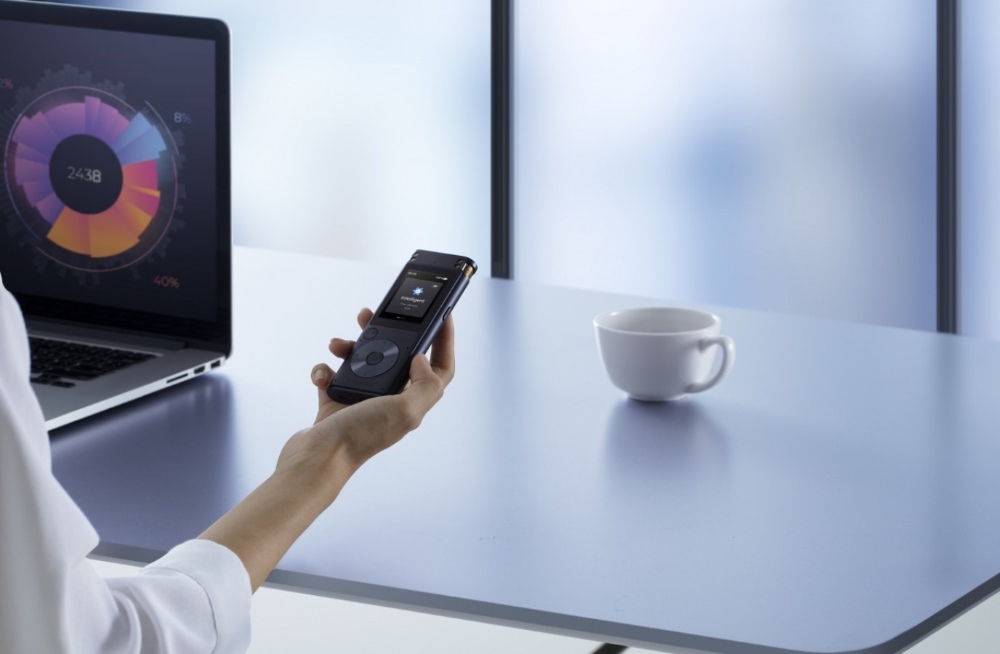
The short answer: sometimes yes, sometimes no. However, from the perspective of laws in various countries and states, consent is always the safest and most ethical route. The legality of voice recording hinges on one crucial concept: consent.
In the United States, the law depends on consent requirements, which are generally divided into two main categories:
One-Party Consent States
In these states, only one person involved in the conversation needs to consent to the recording. This means that if you are a participant in the conversation, you can legally record without informing the other party. Federal law also follows this rule. The majority of U.S. states fall into this category, including New York, Texas, and Ohio.
Two-Party (or All-Party) Consent States
These are stricter states where every participant must give consent before a conversation can be legally recorded. Recording without permission here is considered an illegal act. A handful of states, such as California, Florida, and Illinois, have these more stringent laws. When dealing with cross-state communication (e.g., a phone call), it is always safest to follow the stricter law of the all-party consent state involved.
Understanding International Laws: Consent is a Global Principle
Outside the U.S., the rules governing voice recording vary even more, often with nuances that depend on the specific context and country. The concept of "reasonable expectation of privacy" is a key factor, but how it's defined and enforced differs significantly.
United Kingdom
For individuals, it's generally legal to record a conversation you're a part of for your own personal use. However, the law is very strict about what happens next. Sharing that recording with a third party without consent can be a serious breach of privacy and a violation of the Data Protection Act 2018. This is a critical distinction: recording might be fine, but publishing it is often not.
European Union
The GDPR (General Data Protection Regulation) imposes strict privacy rules, making explicit consent even more crucial. Under GDPR, a voice recording is considered "personal data." For businesses and organizations, recording a conversation is generally illegal unless they have a clear legal basis, which is most often explicit, freely given consent. They must also inform individuals why the recording is being made, how it will be used, and how long it will be stored. Covert or secret recordings are generally not compliant with GDPR.
Germany
This is one of the strictest countries in the EU. German law makes it a criminal offense to record a private conversation without the consent of all parties involved. Violators can face fines or even a prison sentence. The law is designed to protect an individual's "right to their own spoken word."
Australia
The laws vary by state, similar to the U.S. In many states like New South Wales, it is illegal to record a private conversation to which you are not a party, but a participant in the conversation can legally record it. However, sharing the recording publicly without consent can be a separate, serious offense.
Asia:
The legal landscape across Asia is highly diverse.
Japan: Generally, it's legal to record a conversation you are a part of, as long as it's not done in a location where there is a strong expectation of privacy (e.g., a toilet stall). However, the legal situation can be complex regarding publication or use as evidence.
South Korea: It is illegal to secretly record a conversation you are not a part of. The act of "eavesdropping" is a criminal offense. However, a participant in the conversation can legally record it.
China: Secret recordings can sometimes be admissible as evidence in court if they are proven to be authentic and were not obtained through illegal means, though the act of recording itself may still be restricted depending on the context.
As you can see, the specific rules of voice recording differ significantly from country to country. It is essential to research the specific laws of each country you are dealing with before hitting the record button.
Understanding the Law by States
The different privacy concepts and actual needs in different states can lead to varying related laws. In the U.S., states fall into two broad categories. Let’s analyse the law more specifically:
One-Party Consent States (Majority of States)
These states allow you to record as long as you are part of the conversation. Examples include: New York, Texas, Ohio, North Carolina and Michigan. This means if you’re recording a phone call with someone in Texas, you don’t need their permission as long as you’re also participating.
Two-Party (All-Party) Consent States (More Strict)
These states require all participants to agree before you can legally record. Examples include: California, Florida, Illinois, Maryland and Pennsylvania. If you record without permission in these states, it’s considered a crime, even if your intentions are harmless.
Mixed Situations
Federal Law:
Generally follows one-party consent but defers to stricter state rules.
Cross-State Calls:
If two people in different states are on a call, the safest practice is to follow the strictest law involved.
Pro Tip:
Always assume the conversation could cross jurisdictions (especially with phone or online calls).
How Can You Record Conversations Legally and Safely?
Although you have the best intentions, recording without knowing the rules is risky. What’s more, seeking permission seems to be a small act that people easily overlook, especially in an intense atmosphere. By combining legal awareness with clear communication, you can record safely while respecting privacy. Here are safe and legal approaches:
Always Check Local Consent Laws Before Recording
Before you hit record, check whether your state or country requires one-party or all-party consent. The law is constantly being improved, so staying updated is crucial.
Ask for Explicit Verbal or Written Permission
The simplest and safest option is to just ask. For example:
Verbal: “Do you mind if I record this meeting so I can review details later?”
Written: Add a note in an email or meeting agenda stating the session will be recorded.
Use Alternatives
Sometimes recording isn’t accessible or appropriate. Consider these instead:
Meeting Notes: Handwritten or digital summaries.
Consent Forms: For interviews, you can ask participants to sign a recording agreement.
Official Recording Tools: Platforms like Zoom notify all participants when a recording starts, ensuring transparency.
Helps You Record Legally and Efficiently
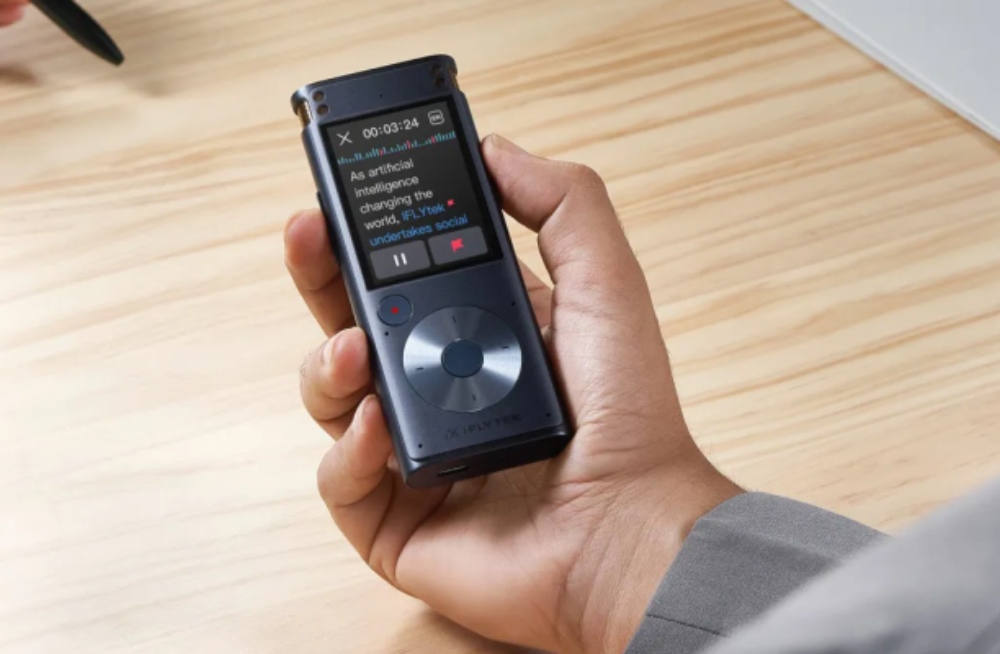
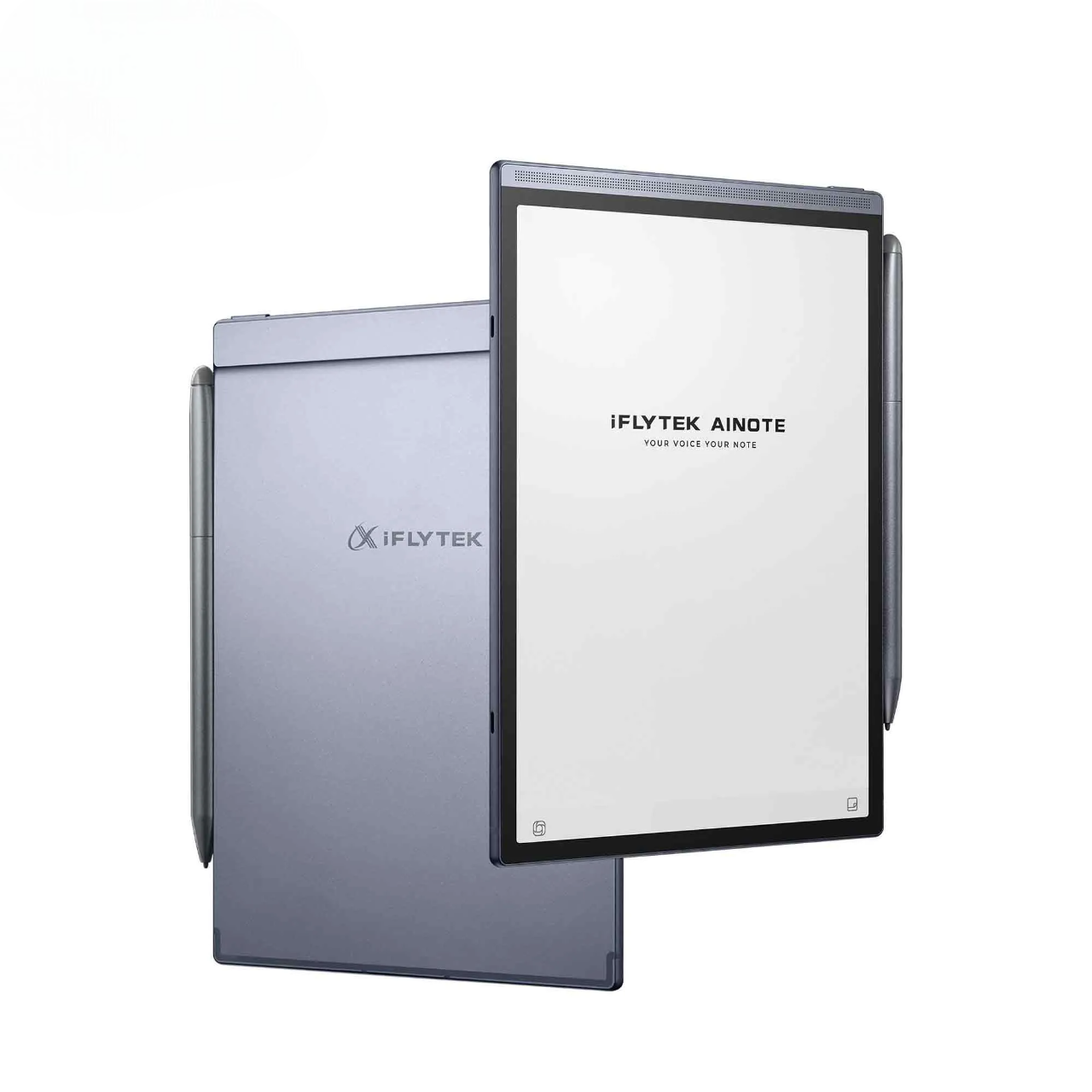
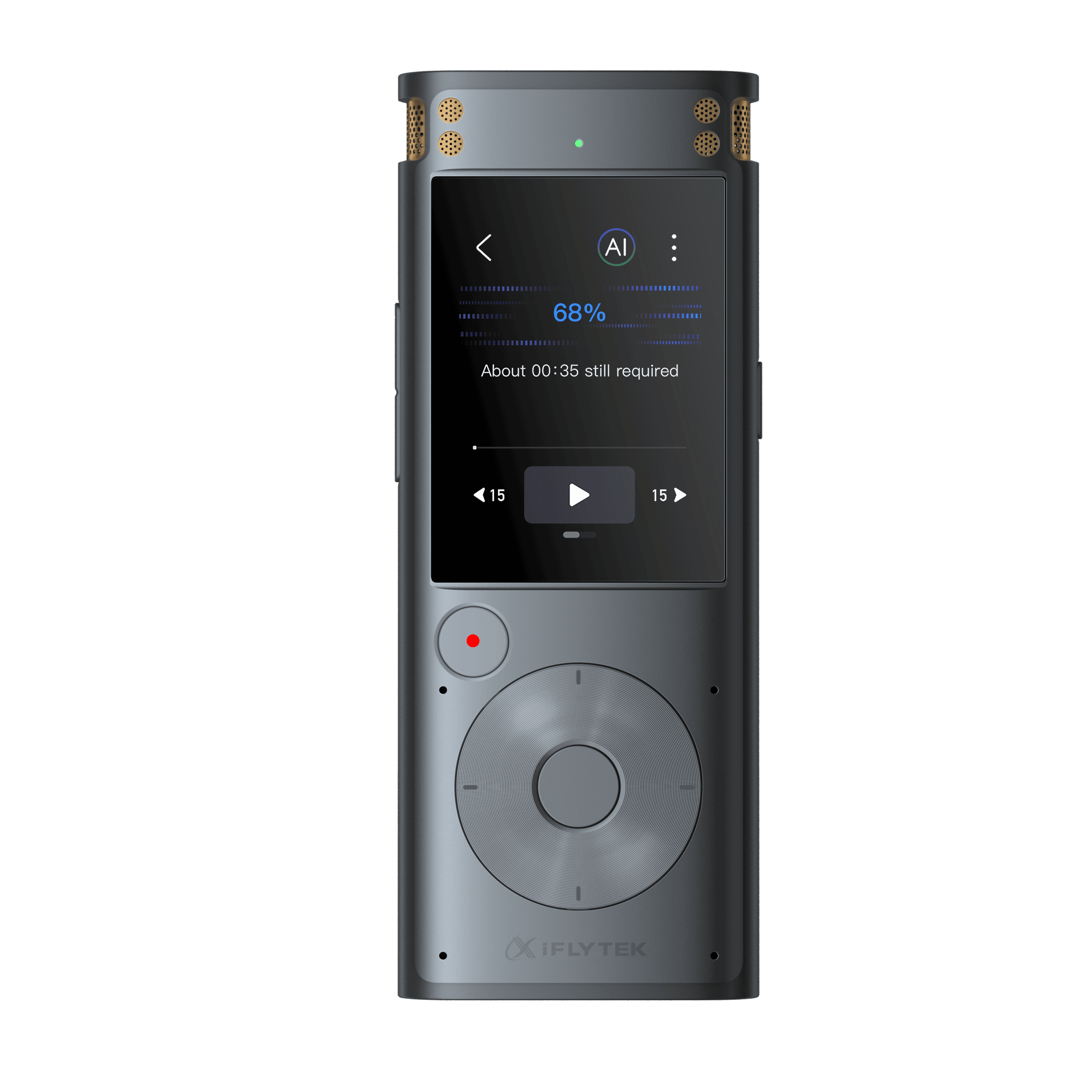
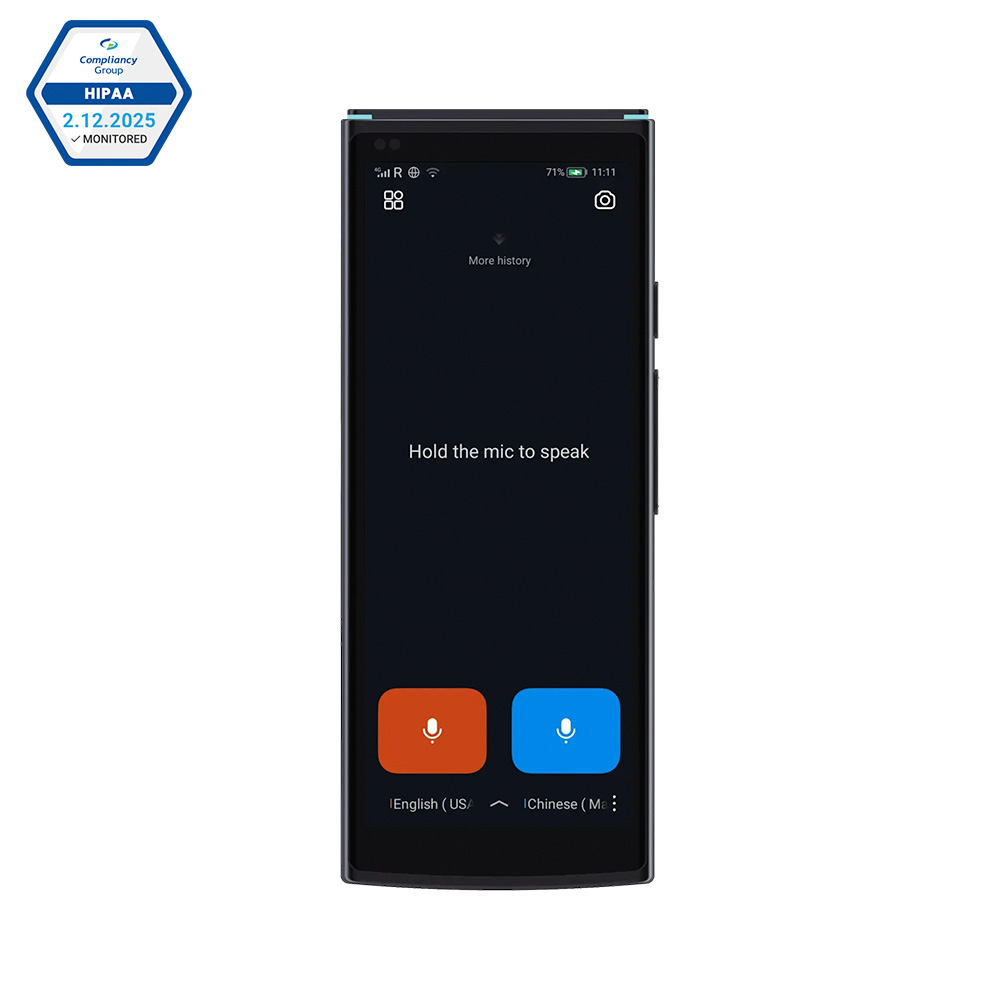
Technology can make the process easier. The iFLYTEK Smart Recorder is designed for students, professionals, and travelers who need clear, accurate, and efficient recording tools. As a modern voice recorder device, it allows you to instantly convert spoken words into text. That means you don’t just capture the conversation, but you also walk away with organized notes that save you time and boost productivity. Here’s why it stands out:
High-Quality Audio:Noise reduction ensures voices are captured clearly, even in classrooms or busy offices.
Automatic Transcription: Convert voice to text instantly, saving time on manual note-taking.
Secure Storage:Password-protected files help keep private conversations safe.
Efficiency for Students & Professionals:Instead of worrying about legality, you can focus on learning, working, or collaborating while staying compliant.
FAQs
Can I still be prosecuted if I delete the recording afterward?
Yes. The act of secretly recording a conversation in a two-party consent state is often considered a crime in itself, regardless of whether the recording is kept or destroyed. Deleting the file doesn't erase the fact that an illegal act was committed, so you can still face legal consequences, including criminal charges or civil lawsuits.
Is it okay to record conversations in public places like a mall or on the street?
This is a grey area that depends on the "reasonable expectation of privacy." Generally, conversations held in a public place where people can be easily overheard (e.g., in a busy shopping center, on the street, or in a park) are not considered private. You can often record these conversations without consent. However, if the conversation is clearly private—like a hushed discussion at a secluded table in a restaurant—the expectation of privacy may apply, and you'd need consent. When in doubt, it's always safer to ask.
Does the law change if the person being recorded is a minor?
Yes, laws regarding minors are often stricter. In many jurisdictions, the legal standard for obtaining consent from a minor is higher, and in some cases, parental consent may be required. Courts and laws prioritize the protection of children, so secretly recording a minor can lead to more severe legal and ethical penalties. If you are ever in a situation that involves recording a minor, it's essential to seek legal advice and obtain explicit permission from both the minor and their legal guardian.
Summary
In short, recording is a powerful tool, but it must be balanced with respect for privacy and the law. Laws differ across states and countries, and what is permissible in one place may be a violation in another. Beyond legality, issues of trust, transparency, and respect for privacy must also be considered. By treating privacy with the seriousness it deserves and using safe recorders like iFLYTEK, we can benefit from the advantages of recording while safeguarding the rights and dignity of everyone involved.