It’s 11:30 PM, the lights are off, and you’re staring at a glowing screen. You started by checking a single notification, but forty-five minutes later, you’re deep in a rabbit hole of global crises, economic downturns, and local tragedies. Your heart is racing, your eyes are dry, yet you can’t seem to stop.
This phenomenon is known as doomscrolling, which is the act of continuously scrolling through bad news or distressing content, even when it becomes frustrating or overwhelming.But before you beat yourself up, let’s get one thing straight: Doomscrolling is not a failure of willpower. Itisn’t a sign that you are lazy or weak-minded. Instead, it is a byproduct of a sophisticated stimulus mechanism. It is the collision of our primal survival instincts with modern algorithms designed to exploit them. Understanding this shift fromself-control to brain chemistry is the first step toward reclaiming your timeand focus.
Why Is Doomscrolling So Harmful?
Although you may feel like you are just staying informed, the long-term psychological burden of doomscrolling is profound and accumulative.
Triggers Constant Stress and Anxiety
When you consume a steady stream of negative information, your brain perceives a persistent threat. This keeps your sympathetic nervous system in a state of “high alert,”flooding your body with cortisol and adrenaline. Over time, this chronic stress can lead to burnout, irritability, and a general sense of dread.
Disrupts Sleep and Focus
The blue light from your screen suppresses melatonin, but the content itself is the real sleep-killer. The state of being mentally wiredmakes it impossible for the brain to transition into deep sleep. Furthermore, the fragmented nature of scrolling erodes your “deep work” capabilities, making it harder to focus on complex tasks the next day.
Creates a False Sense of Control
Paradoxically, many people doomscroll because they feel that “knowing more” will help them be prepared. However, this is a cognitive trap. Information without agency is just noise. Absorbing endless data about things you cannot change creates afalse sense of control that actually increases feelings of helplessness.
Reinforces Negative Thought Loops
The more you see negative content, the more your brain undergoes neuroplasticity in favor of negativity. You begin to develop a “mean world syndrome,” where you overestimate the danger and negativity of your actual surroundings, increasing the risk of depression and anxiety.

What Causes Doomscrolling in the First Place?
To stop doomscrolling, you have to realize you aren't fighting a bad habit, but a perfectly engineered trap. It boils down to a collision between biology and technology. When you feel a lack of control over your life, or when anxiety takes the wheel, you instinctively go looking for answers. This makes it incredibly easy to fall into the traps delicately designed by algorithms that thrive on your need to know.
Evolutionary Bias Toward Threat Detection
Our ancestors survived because they paid more attention to the rustle in the bushes (a potential predator) than the beautiful sunset. This negativity bias is hardwired into us. In the modern world, “threats” are no longer tigers; they are headlines. Your brain treats a viral tweet about a recession with the same biological urgency as a physical threat.
Platform Design and Infinite Feeds
Social media platforms are powered by personalized recommendation engines designed to keep you hooked. By tracking your every move, they build a filter bubble that feeds you a distorted, high-intensity version of reality tailored to your specific triggers.
This leads to massive information overload. Because the infinite scroll removes all stopping cues, your brain never gets the signal to log off. You’re left drowning in a flood of data where the algorithm prioritizes outrage over truth just to win the war for your attention.
Social Validation and Fear of Missing Out (FOMO)
We are social animals. Most of the time, we doomscroll because we’re terrified of being “out of the loop.” We feel like if we stop looking, we’ll have nothing to say when everyone else is talking about the latest crisis. This fear keeps us glued to the feed, hunting for a sense of belonging or “being informed” that the internet never actually delivers.
How Do You Break the Doomscrolling Habit?
Breaking the cycle requires more than just “trying harder.”The first step is to audit your digital environment. There are various paths to change the undesirable situation here.
Set Clear Time Boundaries for News and Social Media
Treat your information intake like a diet. You can decide on “consumption windows”such as 15 minutes after breakfast and 15 minutes after work. Use app timers to lock yourself out once the limit is reached.
Change the Trigger, Not Just the App
Habits are triggered by cues. If your cue is “lying in bed,” keep your phone in another room. If your cue is "boredom during a commute,” carry a physical book. By changing the physical trigger, you bypass the automatic urge to scroll.
Reduce Algorithmic Exposure
Unfollow accounts that thrive on outrage. Block specific keywords. The less the algorithm knows about what upsets you, the less it can feed you "doom.”
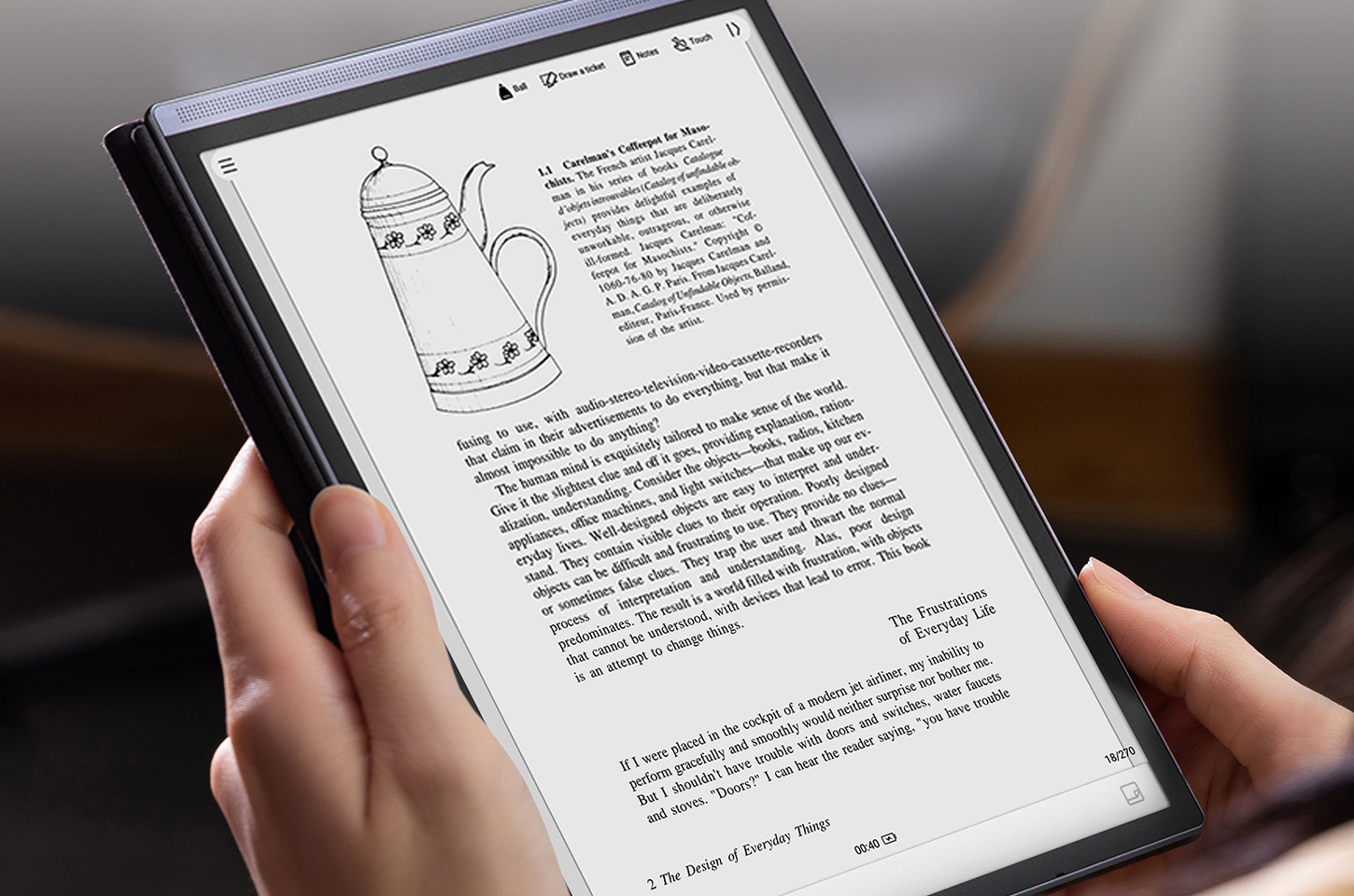
For many people, changing the device itself is an effective way to reduce algorithmic exposure. An e ink tablet is better for focus because it removes infinite feeds, short-form video, and notification-driven interaction. Without high-stimulation interfaces and passive scrolling mechanics, attention naturally shifts toward slower, intentional reading and thinking.
Replace Scrolling with Intentional Input
The essence of doomscrolling isn't just the act of “scrolling,”but the combination of low-barrier stimulation and passive input. You are letting the world pour its chaos into your mind without filtering it. The only way to truly heal is to switch to high-quality, active input.
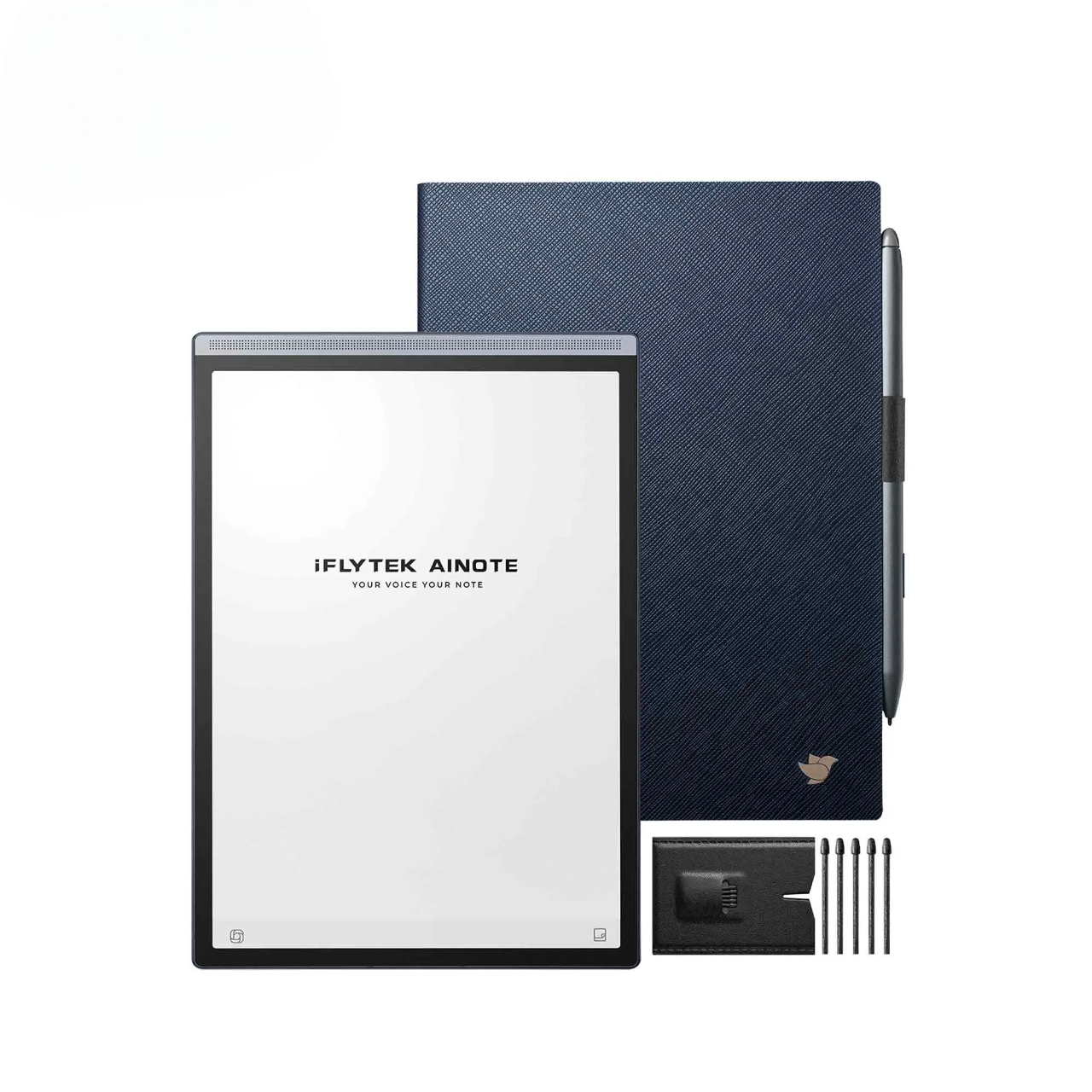
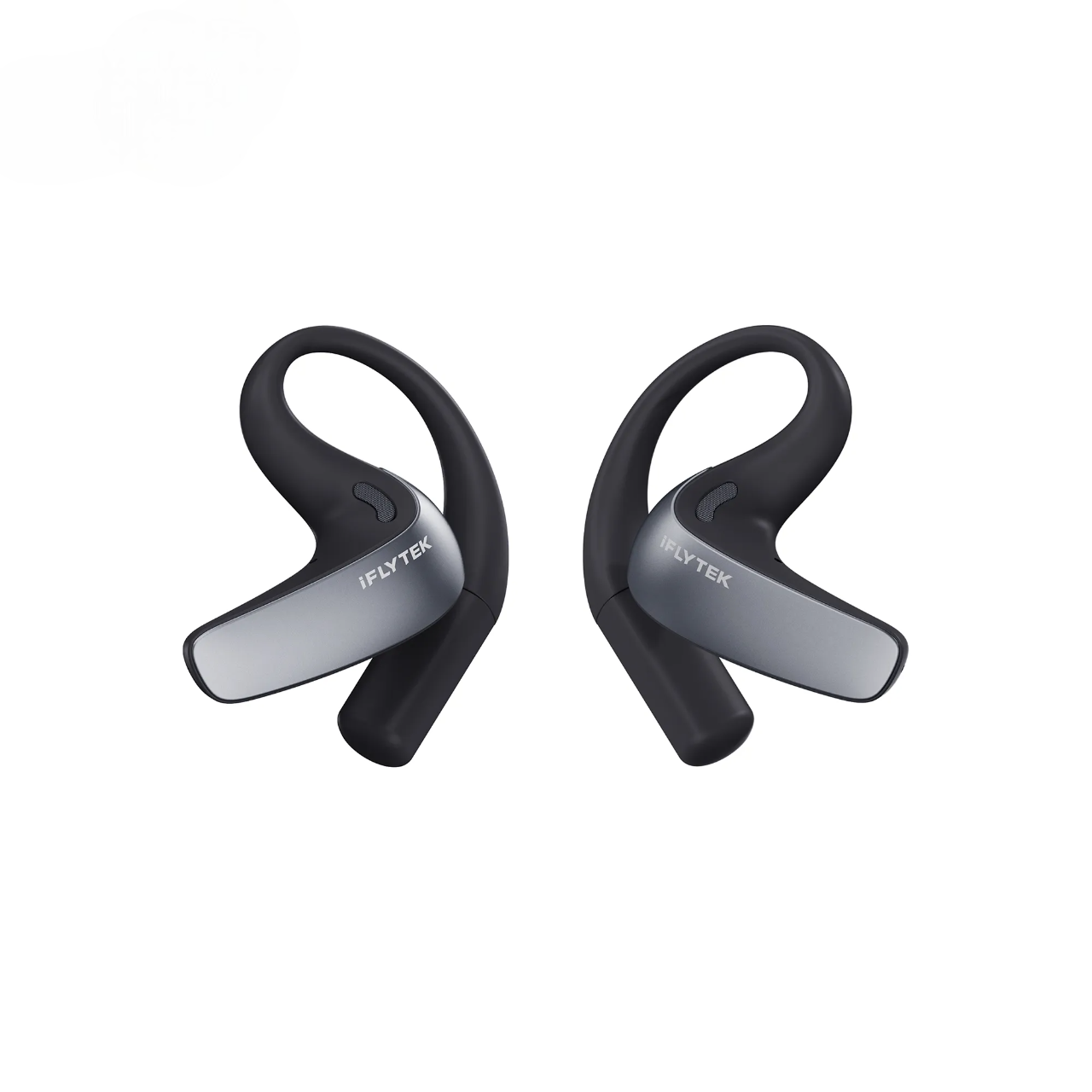
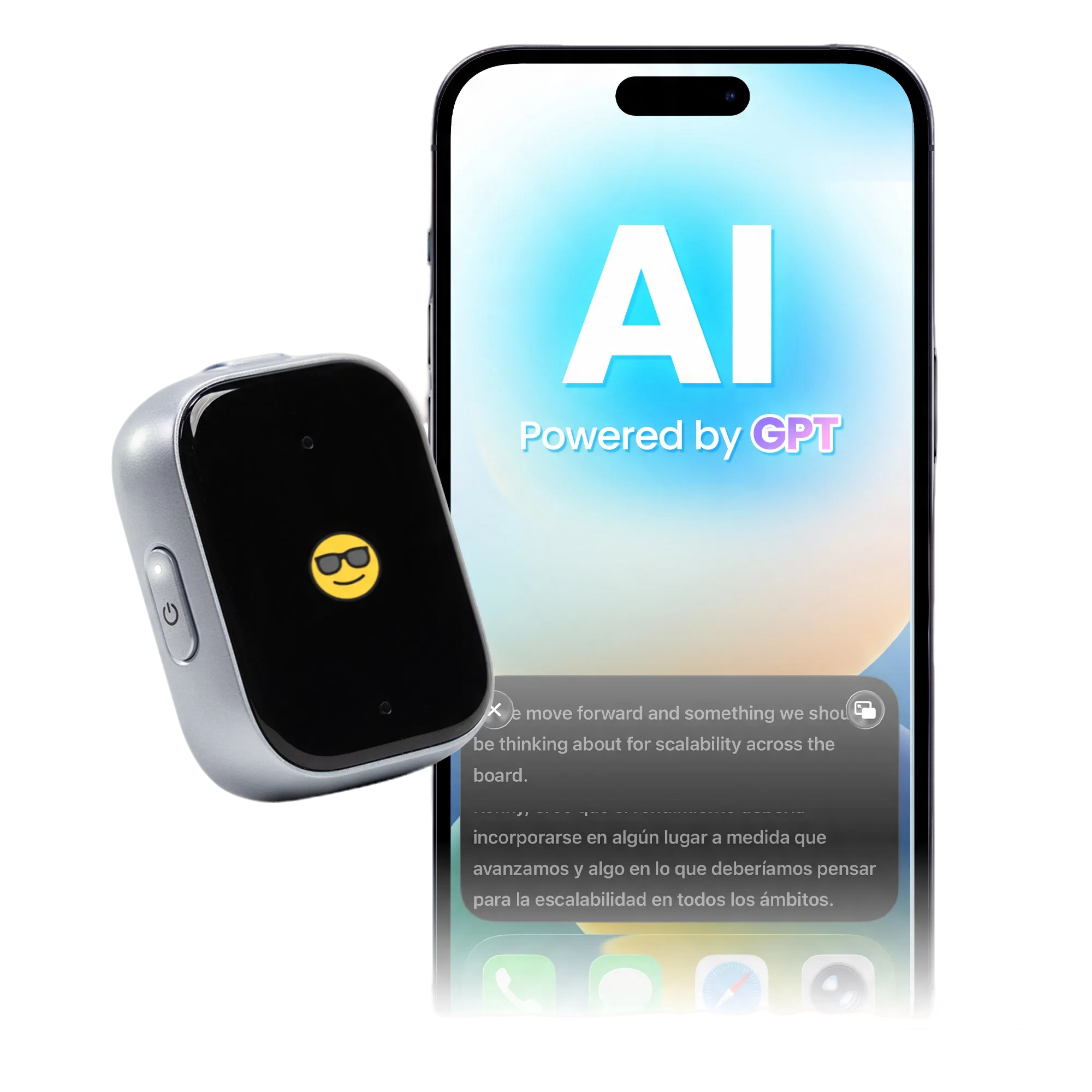
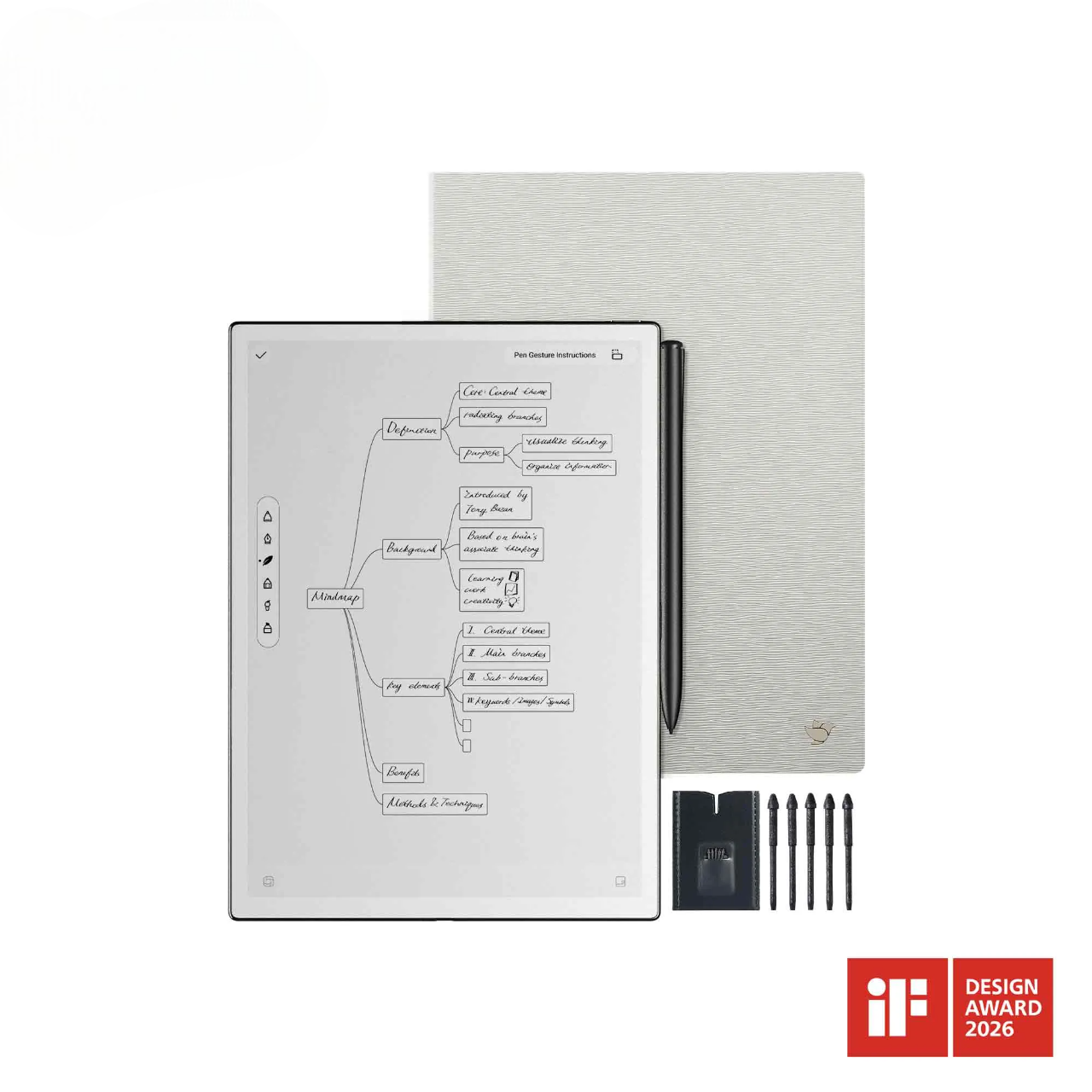
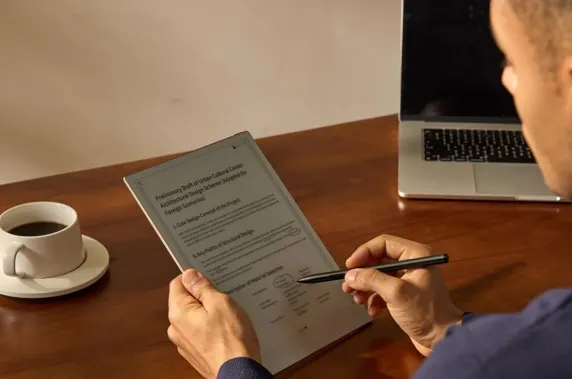
This is where the right tools make a difference. If you find your productivity dying in the face of constant smartphone notifications, you need a “distraction-free” workspace. This is why professional tools like iFLYTEK smart devices have become essential for focused work. Unlike a tablet or a smartphone, which are gateways to short-form videos and social media rabbit holes, the iFLYTEKAINOTE series devices are designed for intentional output.
For Deep Work: The iFLYTEK AINOTE 2 provides a distraction-free environment specifically designed for high-level productivity. It features a crystal-clear EInk display that mimics paper and highly accurate offline voice-to-text transcription. Because it lacks the addictive “doom-loops” of short-form video and social media, it forces your brain to stay in a flow state rather than chasing the next dopamine hit.
For Intentional Creativity: If you need to stay productive on the go, the iFLYTEK AINOTE Air 2 offers a lightweight way to capture ideas and organize thoughts without the constant buzz of notifications. With its portable design and AI-powered document scanning and summarization, it allows you to process information intentionally. You can ensure that your mental energy is spent on creating rather than just consuming.
Practice Awareness Instead of Self-Blame
When you catch yourself scrolling, don't get angry. Simply notice it. “Oh, I'm doing that again.” Awareness is the gap between the stimulus and the response.
Conclusion
When the cost of obtaining information becomes infinitely low, attention becomes our most valuable asset. Doomscrolling is the price we pay for living in an attention economy.However, by understanding our evolutionary biases and the way platforms exploit them, we can build better boundaries. The goal isn't to be uninformed; it's to be intentionally informed. Turn the passive, high-stress scroll to active, focused work, and watch your mental clarity return.The iFLYTEK AINOTE series serves as the perfect bridge back to focus.
FAQs
1. Is doomscrolling an ADHD thing?
While anyone can doomscroll, individuals with ADHD may find it harder to stop. This is due to executive dysfunction and a search for dopamine. The “novelty” of new (even if negative) posts provides a quick dopamine hit that an ADHD brain craves.
2. Why do I get stuck in doomscrolling?
You get stuck because of bottomless feeds and the Zeigarnik Effect, which is the tendency to remember uncompleted or interrupted tasks better than completed ones. The feed never “ends,” so your brain never feels it has "finished” the task of checking the news.
3. Can doomscrolling be a trauma response?
Yes.For many, it manifests as a form of hypervigilance. If you have experienced trauma, you may feel that staying constantly tuned into potential threats is a way to keep yourself safe, even if it actually increases your anxiety.
4. What effects can doomscrolling have on your mental health?
Beyond anxiety and depression, it can lead to compassion fatigue (feeling numb to the suffering of others) and vicarious traumatization, where you experience trauma symptoms just by witnessing upsetting events through your screen.