Schools around the world are welcoming students from different linguistic backgrounds, and educators are under pressure to provide inclusive, accessible learning environments. One solution gaining popularity is the use of translation devices in schools.
This guide explores why schools need translation technology, the key benefits, real-world use cases, and the top 5 translation devices for schools in 2025. If you're looking to bridge language gaps in your school, read on.
Why Schools Need Translation Devices
The modern classroom often includes students who speak little or no English (or the primary language of instruction). Language barriers can hinder participation, comprehension, and academic performance.
Key reasons schools are turning to translation devices:
- Increasing enrollment of ESL (English as a Second Language) and ELL (English Language Learner) students.
- Multilingual communication with parents and guardians.
- Inclusion of exchange students or international programs.
- Need for quick and accurate communication during emergencies or parent-teacher conferences.
Benefits of Translation Devices in Educational Settings
Translation devices offer more than just language conversion. They provide real-time, practical communication support in school environments.

Improved Student Engagement
Students can follow lessons more easily and confidently participate in classroom discussions.
Better Parent-Teacher Communication
Devices enable seamless two-way conversations with non-native-speaking parents during meetings and events.
Support for Teachers and Staff
Teachers can address multilingual classrooms more effectively without needing to speak multiple languages.
Inclusion and Equity
Helps schools create equitable learning spaces for all students, regardless of language proficiency.
Top 5 Translation Devices for Schools (2025 Edition)
Here are the most recommended translation devices for schools in 2025, selected based on accuracy, ease of use, offline capabilities, and multi-language support.
1. iFLYTEK Smart Translator
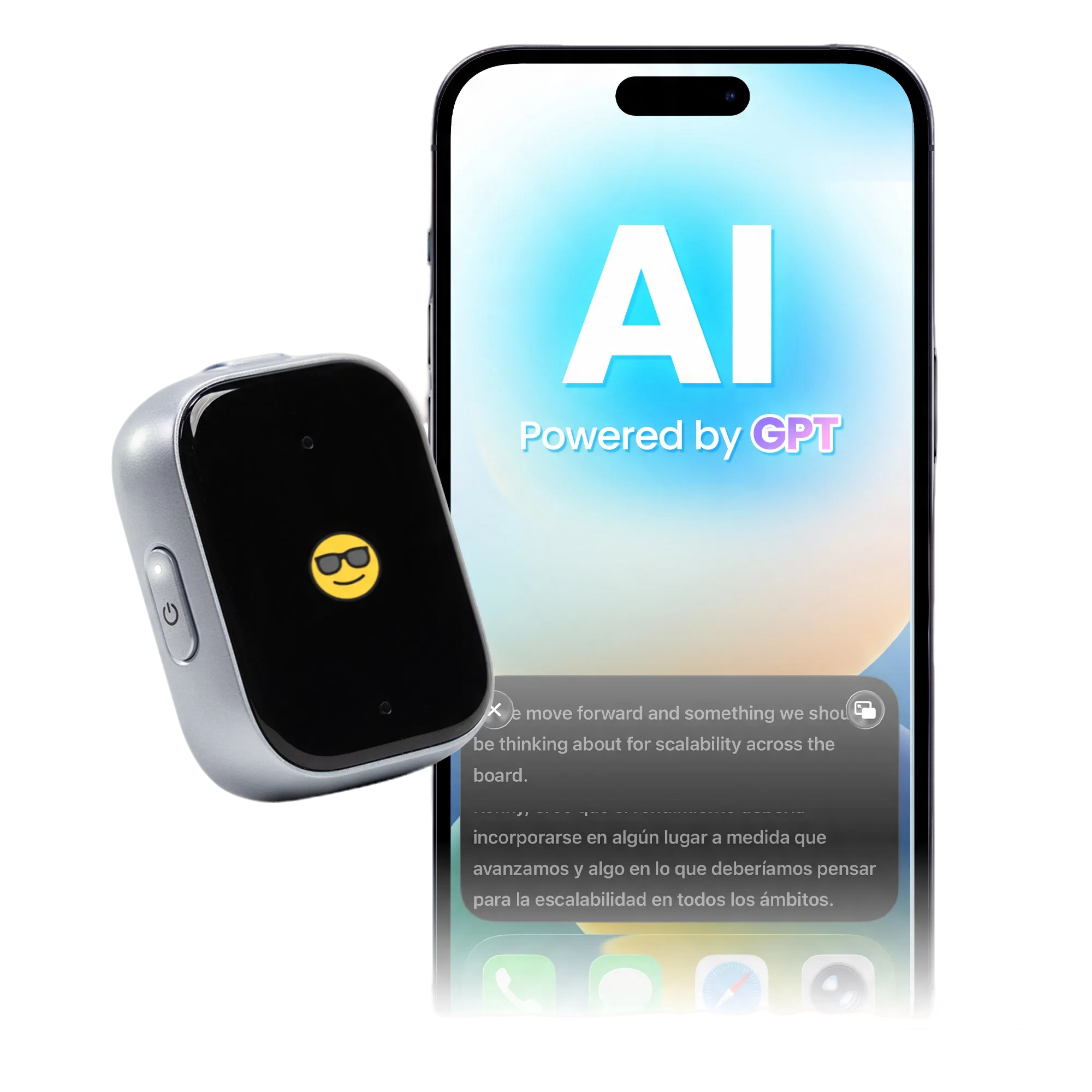
More than just a translation device, the iFLYTEK Smart Translator is a powerful educational tool built on 25 years of AI innovation. Its smart algorithms adapt to conversational context and tone, helping students and teachers alike understand not just words but meaning.
- AI-powered real-time face-to-face translation that promotes active vocabulary usage
- Context-aware responses tailored for different educational situations
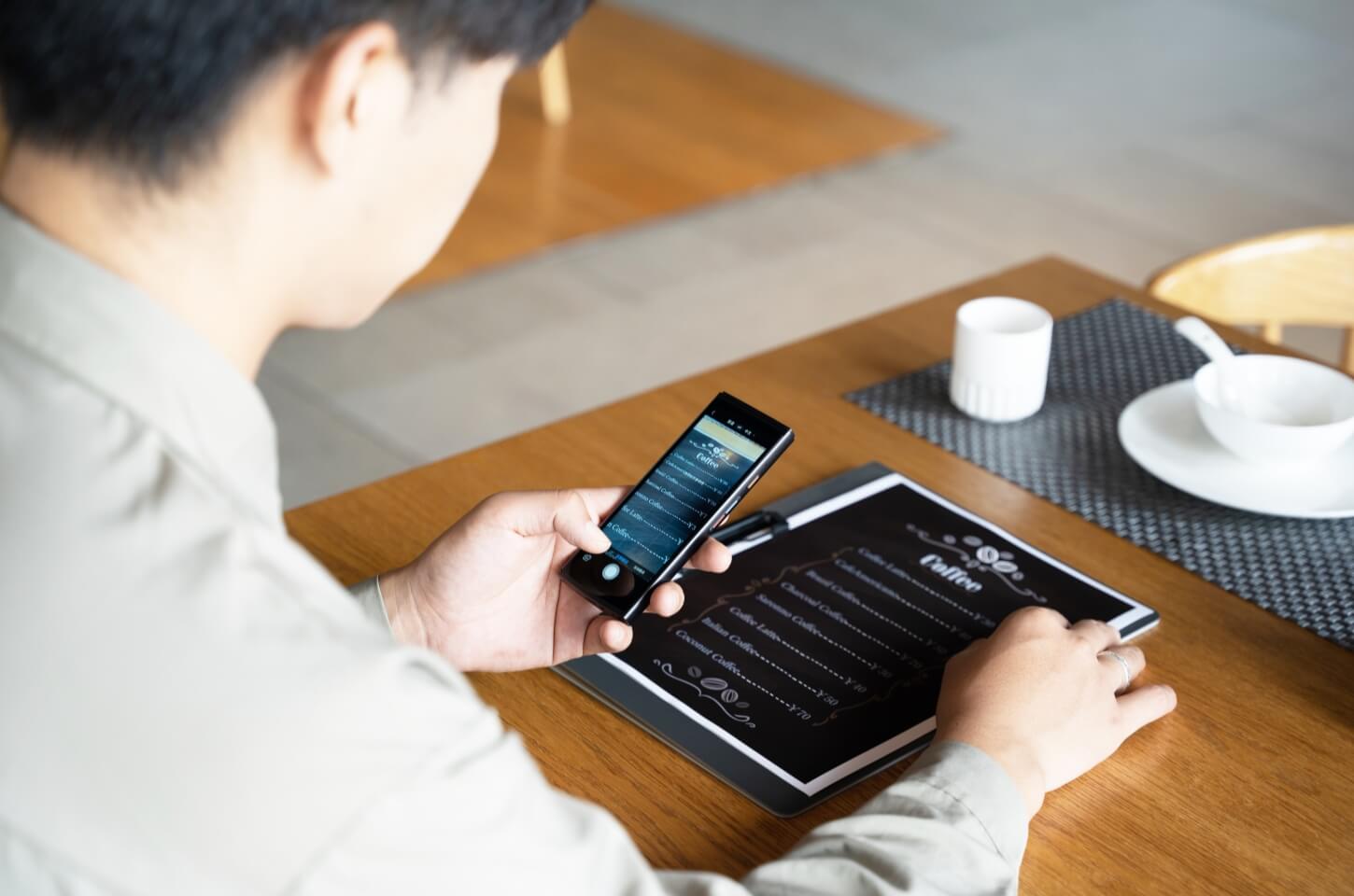
- OCR camera translation for immersive reading and vocabulary learning on posters, signs, or books
- Hi-Fi audio with noise cancellation, ideal for busy classrooms
- Supports 60 global languages with high accuracy
- Offline mode lets students practice and translate anywhere, even without Wi-Fi
2. Jarvisen Translator 2
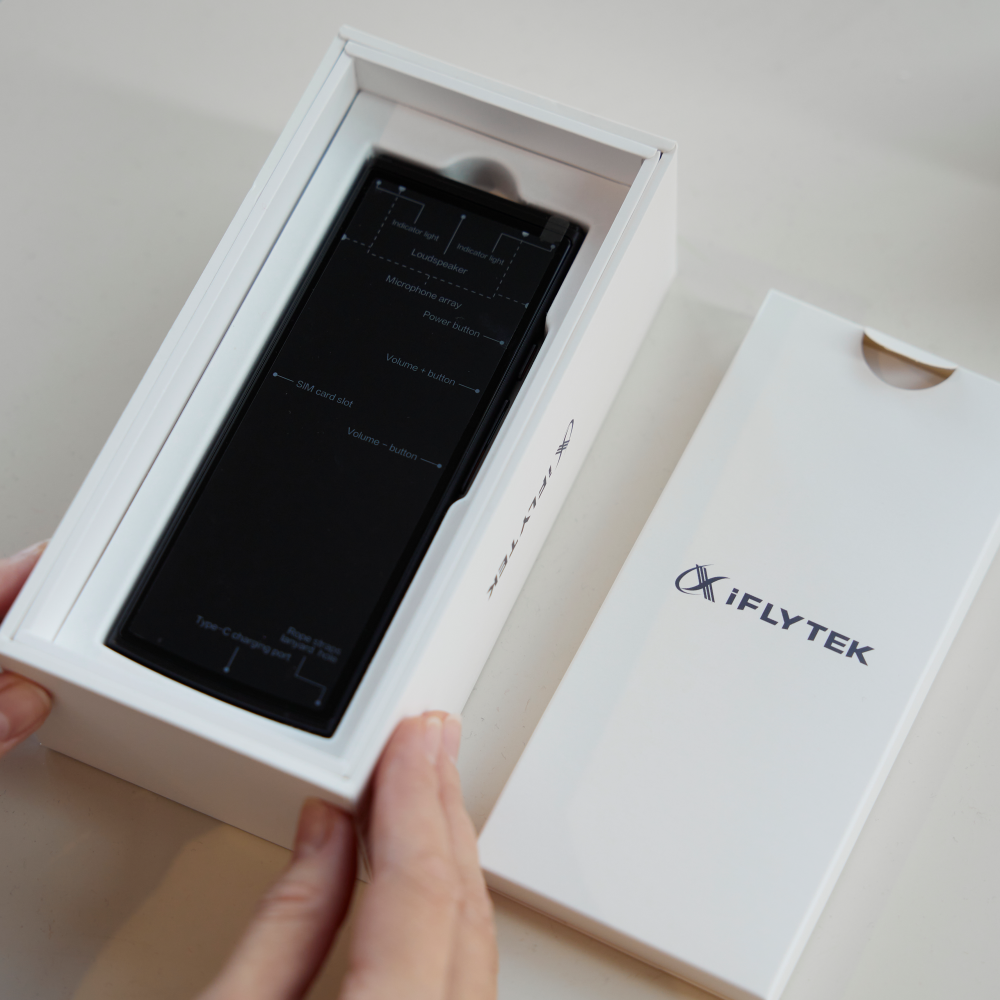
Jarvisen Translator 2 sets the bar high for translation devices in educational environments. Supporting 108 languages and accents, it enables seamless communication across diverse student populations. With an impressive 0.5-second response time and up to 96% translation accuracy, this device ensures that both students and staff get timely and reliable support.
Supports 108 Languages and Dialects
It is ideal for multicultural classrooms and international schools, covering major global languages including English, Spanish, Chinese, Arabic, and more.
Ultra-Fast 0.5-Second Response Time
It provides real-time translation without interrupting lessons or conversations.
Up to 96% Translation Accuracy
Built on 25 years of AI technology, it delivers highly accurate translations with contextual awareness and natural sentence structure.
Dual Translation Modes: Voice and Photo
It enables not just spoken conversation translation, but also image-based translation
Hi-Fi Custom Speaker + Noise-Canceling Microphones
It ensures clear audio playback and accurate voice capture even in noisy hallways or outdoor environments.
No Subscription Fees
Once purchased, schools can use the device without ongoing costs. It is an excellent long-term investment for educational institutions.
3. Travis Touch Go
Designed for flexibility and affordability, Travis Touch Go is a smart choice for schools buying multiple units. It supports over 100 languages and offers both Wi-Fi and SIM-based translation, including offline options.
- 105 languages supported via Wi-Fi or SIM
- Offline capabilities for common languages
- Compact and lightweight
- Customizable interface
4. Vasco Translator V4
The Vasco V4 is tailored for schools concerned about internet reliability or privacy. With built-in offline translation and no subscription fees, this device offers long-term value. Its lifetime internet access across 200+ countries is a bonus for globally connected campuses.
- Supports 108 languages, with offline options
- Free lifetime internet access in 200+ countries
- Large screen, fast processing, and speaker mode
- No app or subscription required
5. Langogo Genesis AI Translator
More than just a translator, Langogo Genesis offers transcription and note recording, making it an asset for teachers. With an AI engine and language-learning features, it supports both communication and education.
- AI-enhanced translation with cloud updates
- Built-in voice recorder and transcription
- Wi-Fi hotspot functionality
- Language learning assistant built-in
Use Cases: How Translation Devices Are Used in Schools

Translation devices are becoming integral tools in modern schools, offering support far beyond the traditional classroom.
In daily lessons, these translation devices provide real-time language assistance for ESL (English as a Second Language) students, allowing them to better follow along and actively participate.
During parent-teacher meetings, translation devices enable smooth, two-way communication with non-native-speaking parents, eliminating the need for a human interpreter and fostering more personal, direct conversations.
Even in emergencies such as fire drills or lockdown protocols, translation devices play a critical role by ensuring that all students and guardians, regardless of language background, receive clear and immediate instructions.
By supporting communication in such a wide range of scenarios, translation devices are helping schools create more inclusive, responsive, and globally minded learning environments.
Challenges and Limitations to Consider
While translation devices offer powerful advantages, it's essential to be aware of their limitations:
- Accuracy limitations: Some devices struggle with technical jargon, idioms, or dialects.
- Internet dependency: Devices that rely on cloud translation may be limited in areas with poor connectivity.
- Privacy concerns: Voice and text data may be stored or processed externally, important in school settings.
- Training & adoption: Teachers and staff may need initial support to integrate the technology effectively.
To address these issues, choose devices with offline translation and strong data privacy policies, and invest in brief training for users.
FAQs
1. Are translation devices safe for school use?
Yes. Most devices are designed with privacy settings and parental controls. Devices like iFLYTEK or Vasco offer offline modes, ensuring no data is uploaded to the cloud.
2. How accurate are translation devices for academic content?
Modern devices offer high accuracy for general and conversational language. However, for technical or subject-specific terms, context-aware tools or human review may still be needed.
3. What's the difference between a translator app and a dedicated device?
Apps require smartphones, internet, and often subscriptions. Dedicated devices offer faster processing, noise-canceling mics, longer battery life, and offline functionality, making them ideal for classrooms.
4. Can translation devices be used by students directly?
Absolutely. Devices with intuitive interfaces and large screens (like Pocketalk Plus) are perfect for student use, especially during peer collaboration or presentations.
5. Do schools need to buy one device per student?
Not necessarily. Many schools provide a few units per classroom or grade level, depending on their needs and budget.
Conclusion
By choosing one of the Top 5 Translation Devices for Schools, administrators and teachers can ensure every student has an equal chance to succeed.
If you’re planning to invest in language support technology in 2025, prioritize accuracy, ease of use, offline capabilities, and data privacy, and you’ll be ready to foster a truly inclusive school environment.
Related articles:
1. what is a speech to speech translation?
2. How does Device for Language Translation Revolutionize Business Communication?
3. The Ultimate Guide to Smart Translators
4. Best Translator Device Without Internet (2025 Guide)
5. Voice Recorder with Transcription: The Ultimate Tool for Effortless Note-Taking