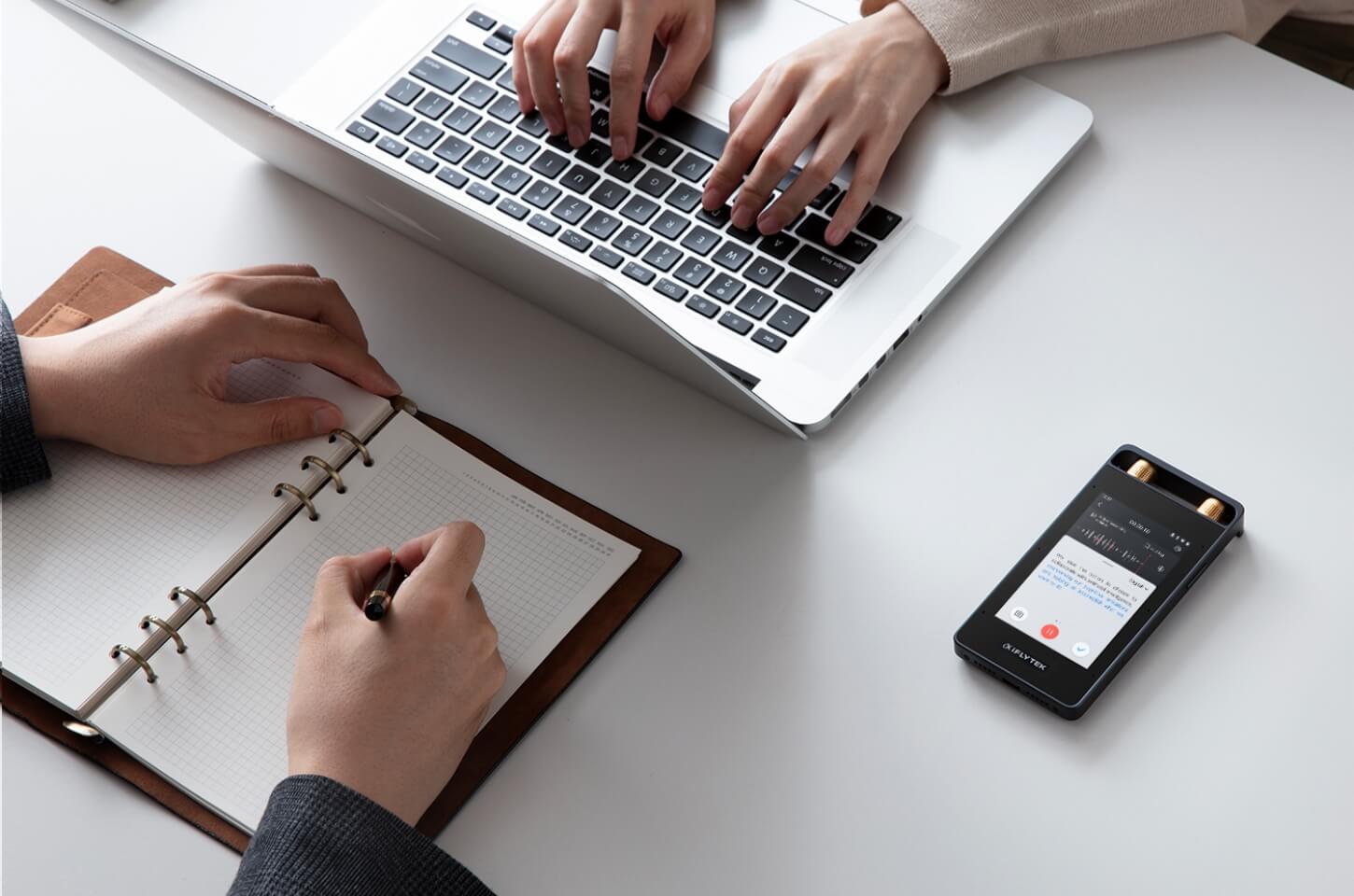
Have you ever cringed at the sound of your recorded voice and wondered, Why Does My Voice Sound Different in Recordings?” You're not alone. Most people are surprised by how different their voice sounds in recordings compared to what they hear when speaking. But why does this happen? And which version is your real voice? Let’s break it down.
1. How We Hear Our Own Voice (Internal vs External Sound Transmission)
The way we hear ourselves when we speak is very different from how others hear us and it all comes down to two types of sound transmission: air conduction and bone conduction.
Air Conduction
This is how we hear external sounds. Sound waves travel through the air into the outer ear, pass through the middle ear, and finally reach the inner ear, where they are processed by the brain. This is how you hear music, conversations, and your voice on a recording.
Bone Conduction
When you speak, your vocal cords create vibrations that travel not only through the air but also directly through the bones in your skull. These vibrations bypass the outer and middle ear and are directly transmitted to the inner ear. This adds depth, richness, and bass frequencies to your perception of your own voice.
Result? The voice you hear in your head is a mix of air-conducted and bone-conducted sound, while others only hear the air-conducted version.
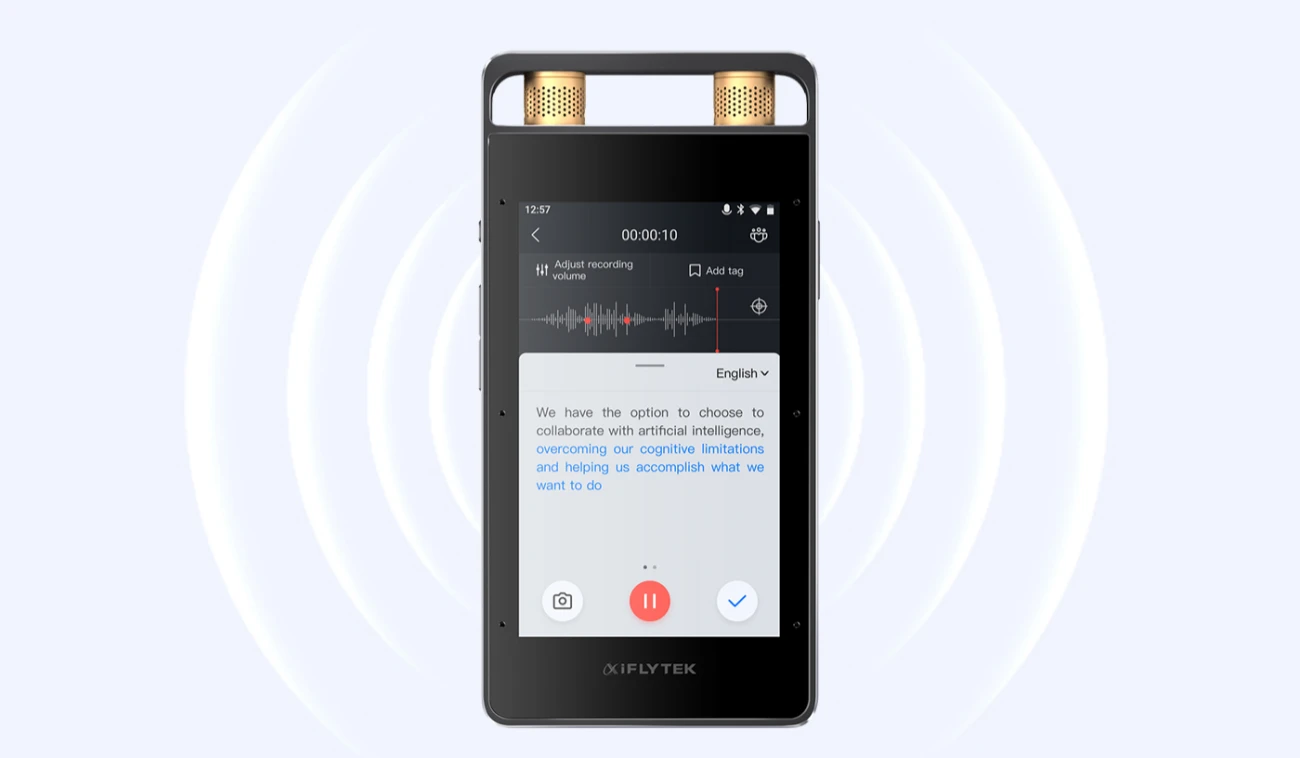
2. Why Your Voice Sounds Different in Recordings
When you listen to a recording of your voice, you're hearing it exclusively through air conduction, just like everyone else does. The bone-conducted components—those deeper, fuller tones—are missing, which often makes your voice sound:
- Higher-pitched
- Thinner or more nasal
- Less powerful or less expressive
This difference can be startling, especially if you’ve never heard your voice recorded before. But rest assured, this version is likely how others actually hear you.
3. Is Your Recorded Voice How You Actually Sound?
Yes, for the most part, your recorded voice is how other people hear you. While audio quality may vary depending on the recording equipment, the fundamental characteristics pitch, tone, and accent are preserved.
But Why Does It Feel So Awkward?
This feeling of disconnect is a form of auditory dissonance. Because you’ve grown up hearing your voice with bone conduction, hearing it differently through a recording feels like you're listening to a stranger.
Psychologically, this can be jarring. Some people even experience mild embarrassment or discomfort. But with time and repeated exposure, you’ll get used to how your voice sounds in recordings.
4. Best Recording Devices for Capturing True-to-Life Voice
To accurately capture your natural speaking voice, the quality of your recording device plays a critical role. Here are five of the best voice recorders in 2025, each offering unique features for different needs.
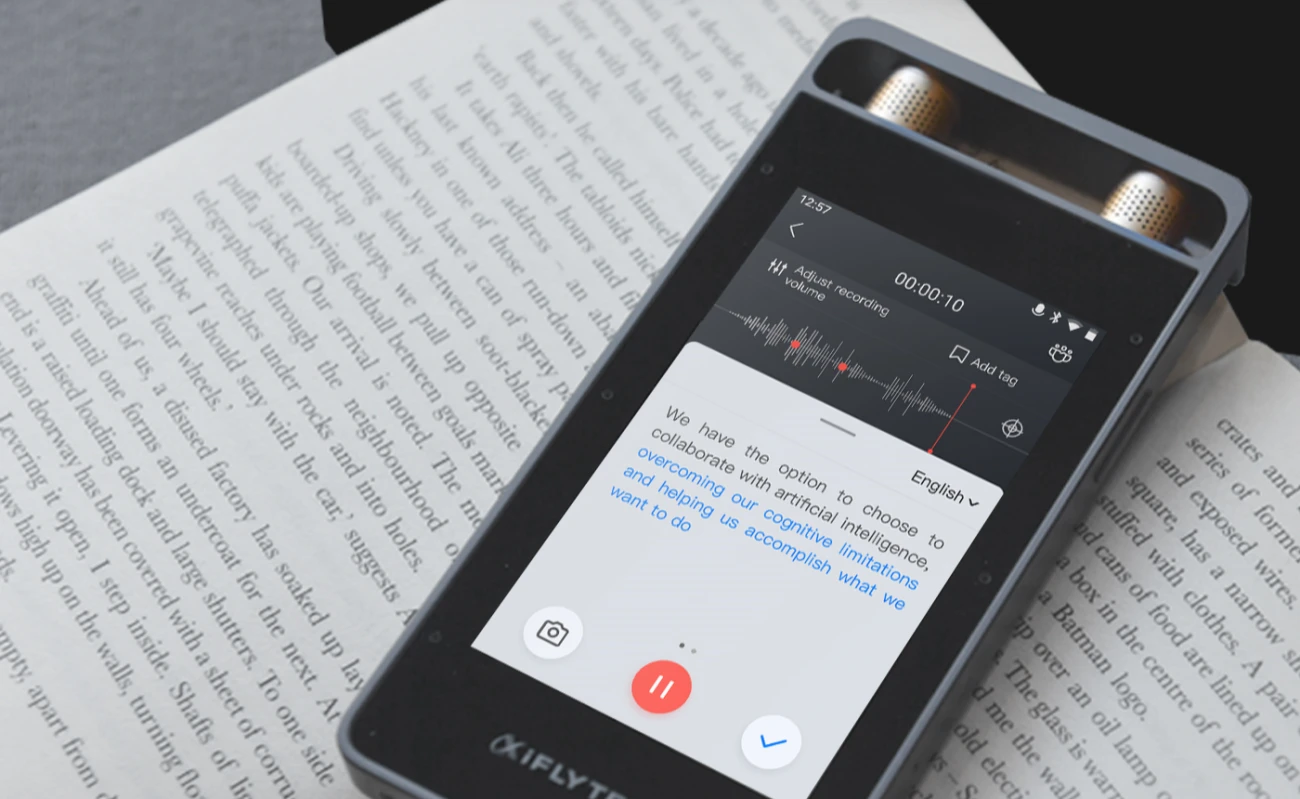
1. iFLYTEK Smart Voice Recorder Pro (Highly Recommended)
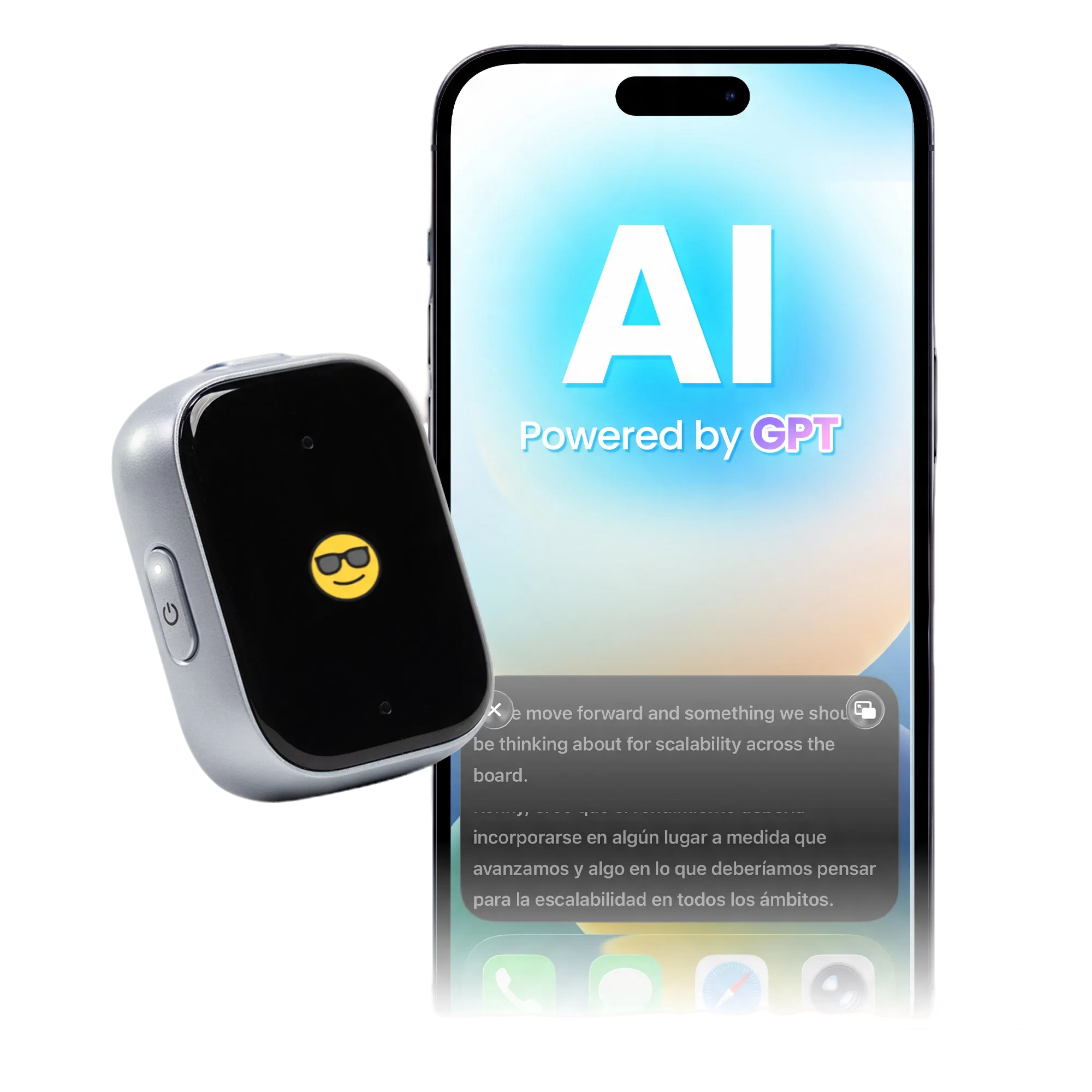
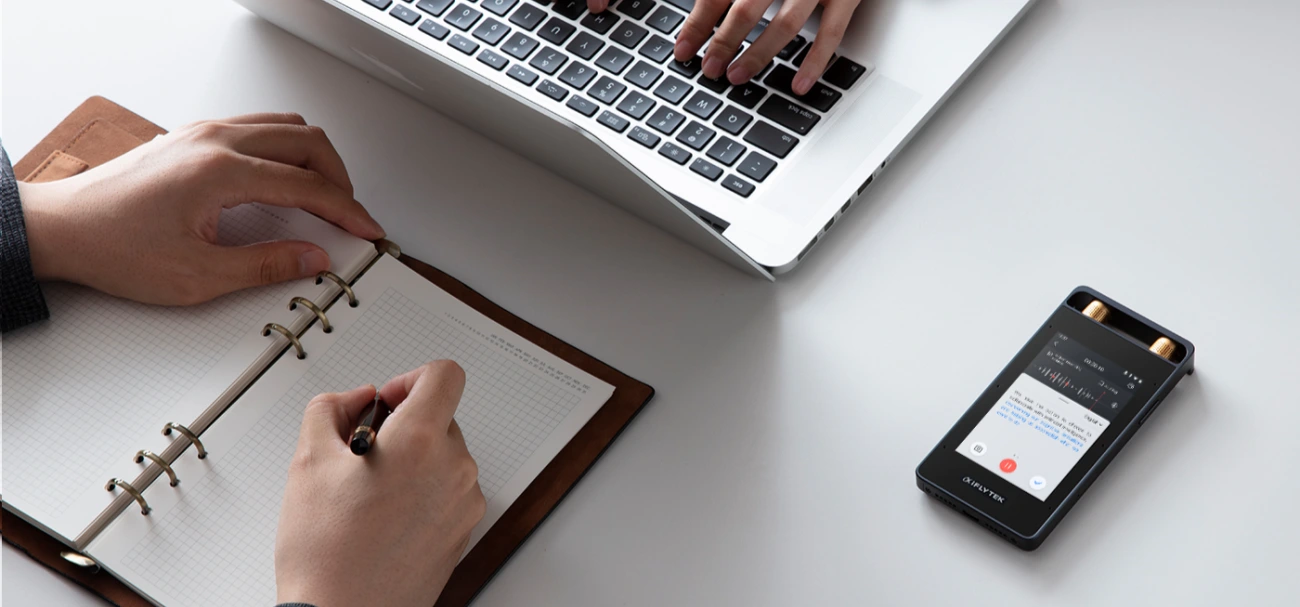
iFLYTEK Smart Voice Recorder Pro is a premium voice recorder designed to bridge the gap between perception and reality. This all-in-one device doesn’t just record your voice, it helps you hear it clearly and understand it better, in real time and across multiple languages.
Powered by advanced AI and built for precision, this recorder captures sound from up to 50 feet (about 15 meters) away using eight built-in microphones (2 directional + 6 omnidirectional).
This means your voice, along with the surrounding context, is preserved with true-to-life clarity. With AI noise reduction, your voice sounds cleaner and more natural, closer to how others actually hear you.
But what truly sets the iFLYTEK Smart Recorder Pro apart is its real-time multilingual transcription. As you speak, your words are instantly converted into accurate text, making it perfect for lectures, meetings, or interviews.
You can even display on-screen subtitles, making it ideal for visual learners and content creators who want to pair audio with text.
Key Benefits at a Glance:
- Captures your natural voice with crystal clarity up to 50 ft (about 15m)
- AI noise reduction ensures true-to-life audio, not muffled or distorted
- Real-time transcription in 8 major languages with up to 90% accuracy
- Subtitles on screen for accessible, visual feedback
- Fast and fluid performance powered by AI
- Multi-platform cloud sync for on-the-go productivity
- Tailored recording modes for lectures, meetings, interviews, and more
If you're tired of hearing a “foreign” version of yourself in low-quality recordings, the iFLYTEK Smart Recorder Pro is the solution that finally lets you hear and preserve your voice as it truly sounds.
2. Sony ICD-TX660 Digital Voice Recorder
This ultra-slim recorder is a favorite among professionals who value portability. It features a high-sensitivity S-microphone system and noise-cut filtering, making it ideal for students and business professionals who need a compact and easy-to-carry recorder to record in offices or quiet classrooms.
Pros:
- Sleek and lightweight
- One-touch recording
- Decent audio clarity for everyday use
Cons:
- Limited advanced features
- Not ideal for high-noise environments
3. Zoom H1n Handy Recorder
Ideal for musicians, podcasters, and field recordists, the Zoom H1n delivers studio-quality sound through its built-in X/Y stereo microphones. It captures immersive, directional audio with clarity and depth, making it a go-to choice for creative professionals.
Although slightly bulkier than pocket-sized recorders and lacking transcription features, its reliable sound quality makes it worth the space.
Pros:
- Studio-quality stereo sound
- User-friendly interface
- Good battery life
Cons:
- Slightly bulky for pocket use
- No built-in transcription or smart features
4. Tascam DR-10L Pro
Designed for video creators, public speakers, and journalists, the Tascam DR-10L Pro offers high-resolution 24-bit recording and comes with a discreet lavalier mic for hands-free operation.
It’s particularly effective in capturing clean voice during interviews, live talks, and on-camera work. The lack of a display screen and the need for precise mic placement may require a learning curve, but its compact and reliable setup is highly professional.
Pros:
- Excellent voice clarity
- Compact body with belt clip
- Dual recording safety feature
Cons:
- Requires mic placement adjustment for best results
- No display screen for visual monitoring
5. Shure MV88+ Digital Microphone
Perfect for mobile creators such as vloggers, YouTubers, and podcasters, the Shure MV88+ delivers professional-grade sound through a highly directional condenser microphone. It connects directly to smartphones via Lightning or USB-C, and comes bundled with a tripod and accessories for on-the-go recording.
While it’s not a standalone recorder and works best within a smartphone setup, its detailed and dynamic audio performance makes it a standout for portable content creation.
Pros:
- Excellent mobile recording quality
- Adjustable mic direction and presets
- Comes with tripod and accessories
Cons:
- Works best with iOS or USB-C smartphones
- Not a standalone recorder (requires a phone)
5. FAQs
Q1: Can I change the way my voice sounds?
You can’t fundamentally change the natural tone of your voice, but voice training, better posture, hydration, and breathing techniques can improve its quality and clarity.
Q2: Why does my voice sound worse on a phone call?
Phone microphones and audio compression reduce frequency range, especially the lower and higher ends, making your voice sound flatter and less natural.
Q3: Do professional microphones really make a difference?
Absolutely. Professional microphones capture a wider range of frequencies, provide clearer sound, and reduce background noise—offering a more accurate recording of your voice.
Q4: How can I get used to hearing my recorded voice?
Practice helps. Try recording yourself reading or speaking daily. Over time, you’ll become desensitized to the difference and more comfortable with how your voice sounds to others.
Q5: What’s the best way to record voice for podcasts or YouTube?
Use a quality condenser mic, record in a quiet environment, and apply light audio processing (like EQ and compression). Devices like the Shure MV7 or Rode NT-USB are excellent choices for content creators.
Conclusion
Hearing your recorded voice for the first time can be surprising, even unsettling, but it’s a completely natural experience rooted in the science of sound perception. The key to understanding why your voice sounds different in recordings lies in the difference between internal and external sound transmission, which can help ease that initial discomfort.
By using high-quality recording devices and getting used to hearing yourself from an external perspective, you can not only become more confident in your voice but also produce clearer and more professional recordings.
Related articles:
2. Digital Notebook vs Tablet PC: How to choose?
3. 5 Best Lecture Recorder of 2025