American offices today are a massive melting pot. It’s awesome for brainstorming, but a bit of a headache when half the team is nodding "yes" while thinking "I have no idea what that idiom meant."The awkward silence after a joke that didn't land, or that one email that sounded way more aggressive than intended.
But here’s the thing: you don't need to be a polyglot to run a global team. You just need a solid game plan and the right tech. This guide is all about how to overcome language barrier in the workplace, keeping your workflows smooth, and making sure nobody feels left out of the loop.
What are the 5 Barriers Actually Tripping Us Up?
Communication is a lot like an iceberg—most of the stuff that sinks the ship is happening under the surface.
Verbal Barriers
This is the most visible hurdle, but it’s rarely just about a lack of vocabulary—it’s the "corporate dialect" that kills momentum. If you tell a new hire from overseas that we need to "punt this project" or "hit a grand slam," don't be surprised when they look at you with total confusion. We forget how much sports slang and regional jargon we bake into our daily syncs. For a non-native speaker, trying to translate a "hail mary" while also trying to follow a technical briefing is a recipe for burnout.
Non-Verbal Barriers
In the States, we’re big on "firm handshakes" and "looking people in the eye." But flip the script, and that same intensity can feel aggressive or even flat-out confrontational in other cultures. If a teammate avoids eye contact while you’re speaking, don't misread it as them being "checked out" or "unprepared." More often than not, they’re showing you a massive amount of professional respect—it's just expressed in a way that our Western "confidence" bias wasn't trained to recognize.
Written Barriers
Slack and email? That’s usually where the nuance goes to die. Without hearing someone’s actual voice, a clipped "Fine, thanks." can feel like a total cold shoulder, even if it wasn't meant that way. It gets even messier with language gaps. Most non-native speakers are just trying to be hyper-efficient to avoid making a grammar mistake—so they strip out all the "fluff." To you, it reads as blunt or borderline rude; to them, they’re just being precise and trying not to waste your time. It’s a classic case of misreading "efficiency" as "attitude."
Dialect Barriers
English isn't just one language. Between a thick Texan drawl, a fast-talking Londoner, and someone who learned English in Singapore, things get "interesting." Even if everyone is technically speaking the same tongue, the accents can make a simple 15-minute sync feel like an hour.
Cultural and Contextual Differences
This is the "read between the lines" stuff. In the U.S., we’re pretty direct—if something's wrong, we usually say it. But many cultures prefer to "save face," so a "that might be difficult" actually means "there is zero chance this is happening." Missing those cues is how deadlines get missed.
4 Low-Stress Ways to Bridge the Gap
You don't need a fancy degree to fix this. It’s mostly about being a bit more intentional with how you show up.
Keep it Simple (But Not Childish)
Ditch the jargon. Instead of saying "let’s synergize our vertical integration," just say "let’s make sure our departments are working together." It’s about being precise, not "dumbing it down." Your team is smart; they just need the fluff removed.
Make it Safe to "Double Check"
Normalize the "wait, what?" factor. I always tell my team: "If I said something that sounded weird, call me out." When you make it okay to ask for a rephrase, people stop pretending they understand and actually start understanding.
If It’s Important, Write It Down
Verbal instructions are gone the second the meeting ends. Always follow up with a quick bulleted list. Better yet, use visuals. A quick screenshot with a red arrow is a universal language that doesn't need a translator.
Lean Into Support
Whether it’s a quick cultural workshop or just a shared doc of "company slang," giving people the cheat sheet to your office's specific way of talking helps them feel like "insiders" much faster.
Can Tech Actually Fix This?
The short answer is yes. We’re past the era of "clunky translation apps" that turn "Let's eat, Grandma" into something terrifying. The new stuff is actually slick.
Real-Time Translation for In-Person Meets
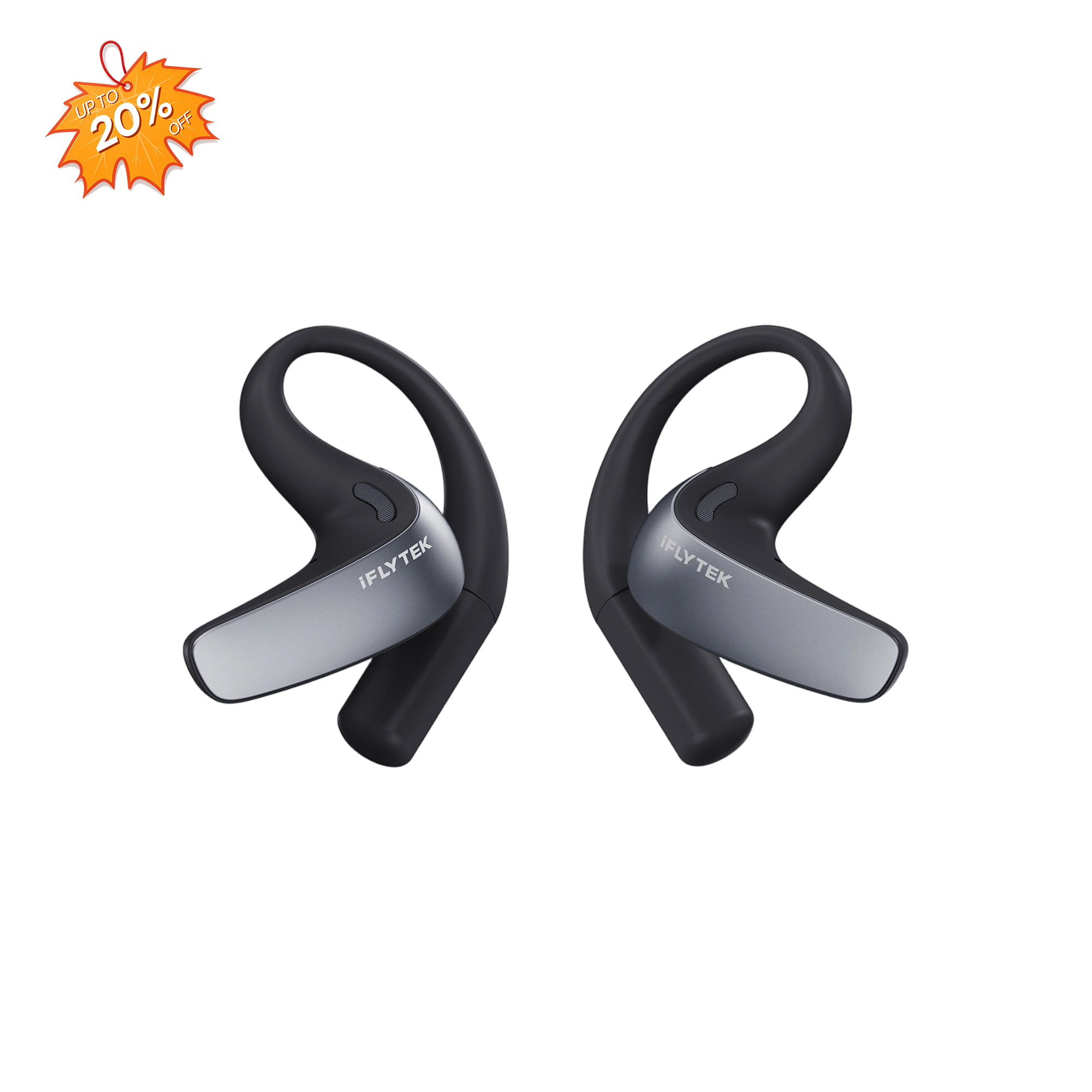
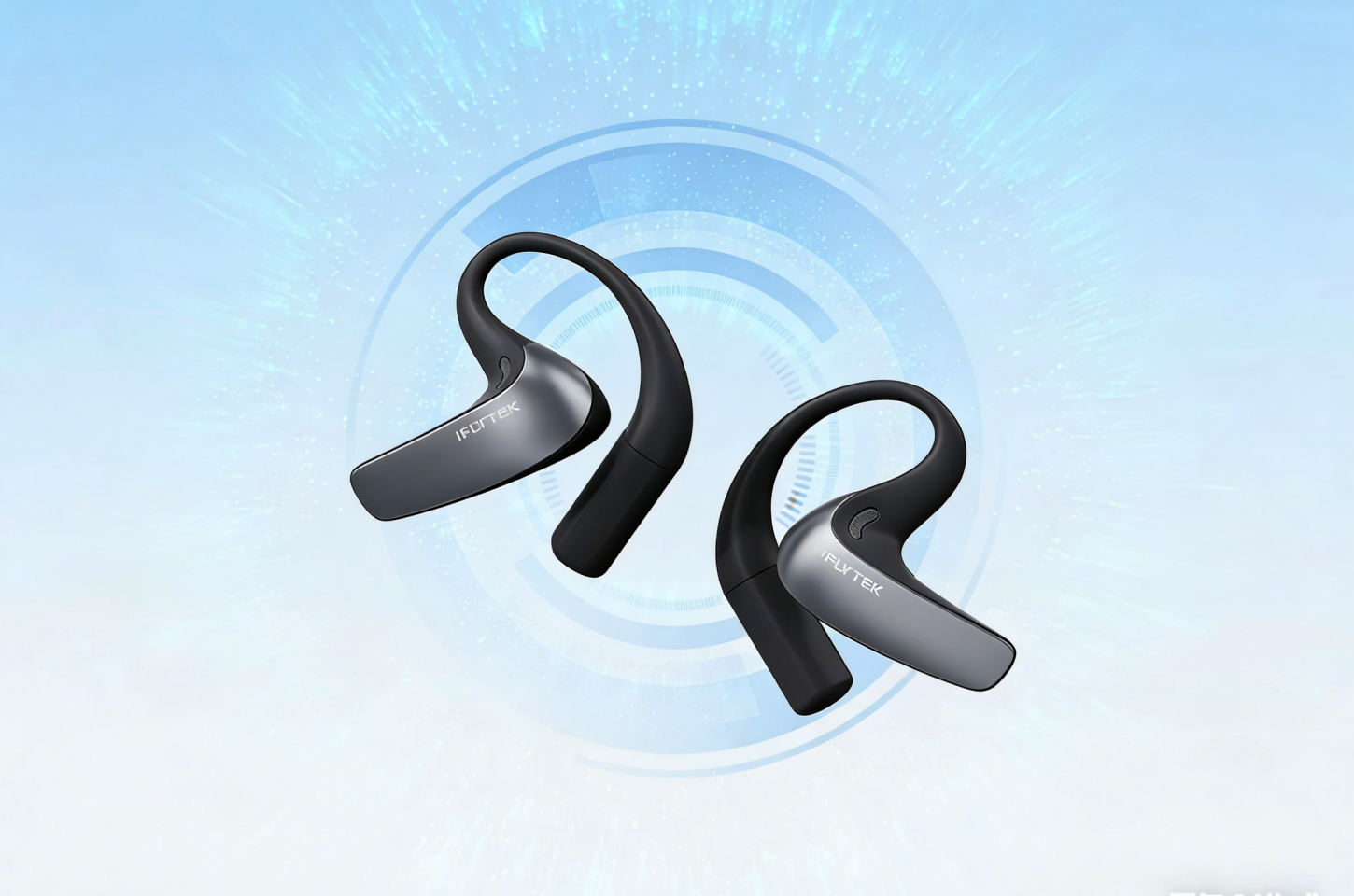
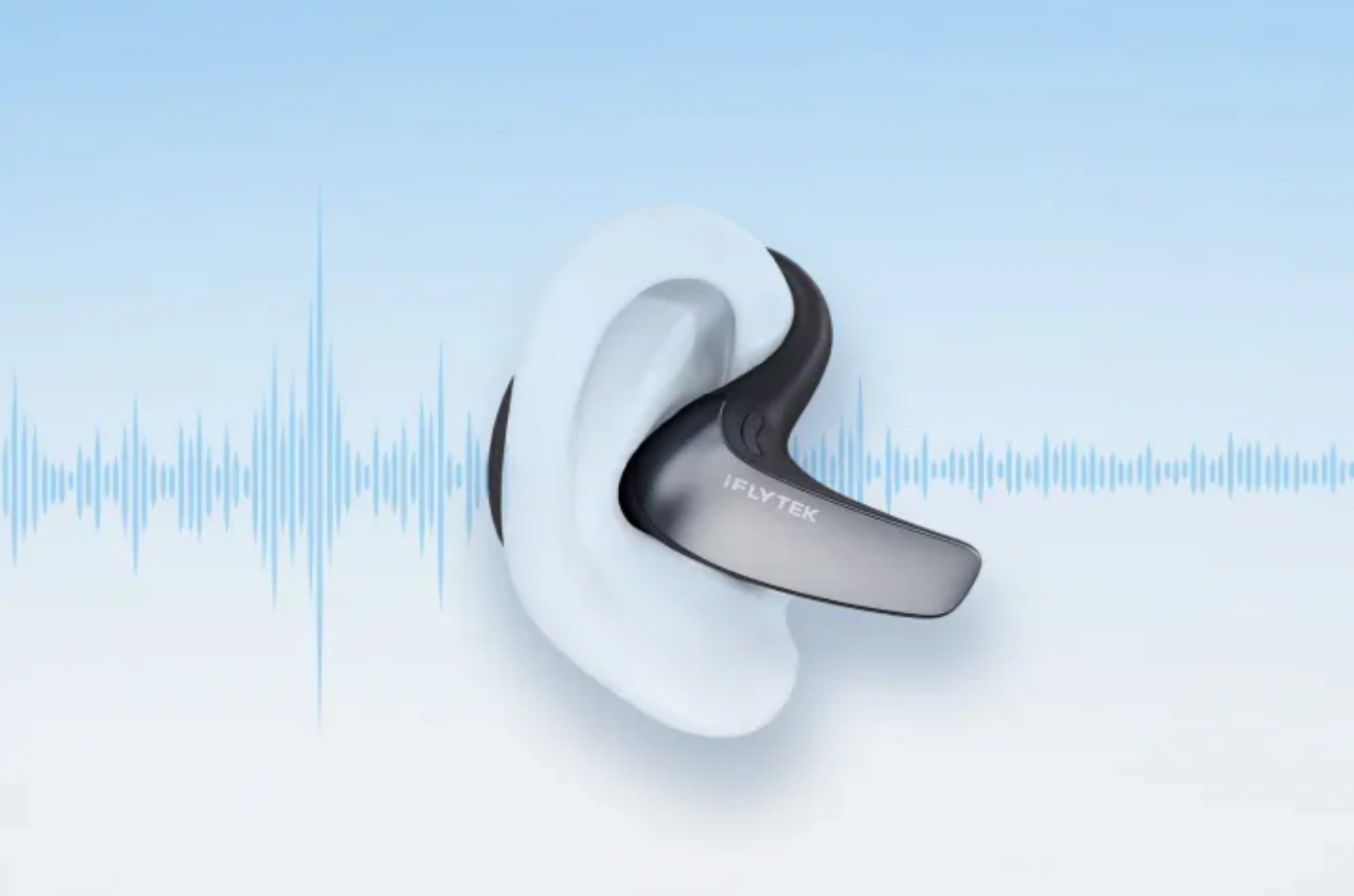
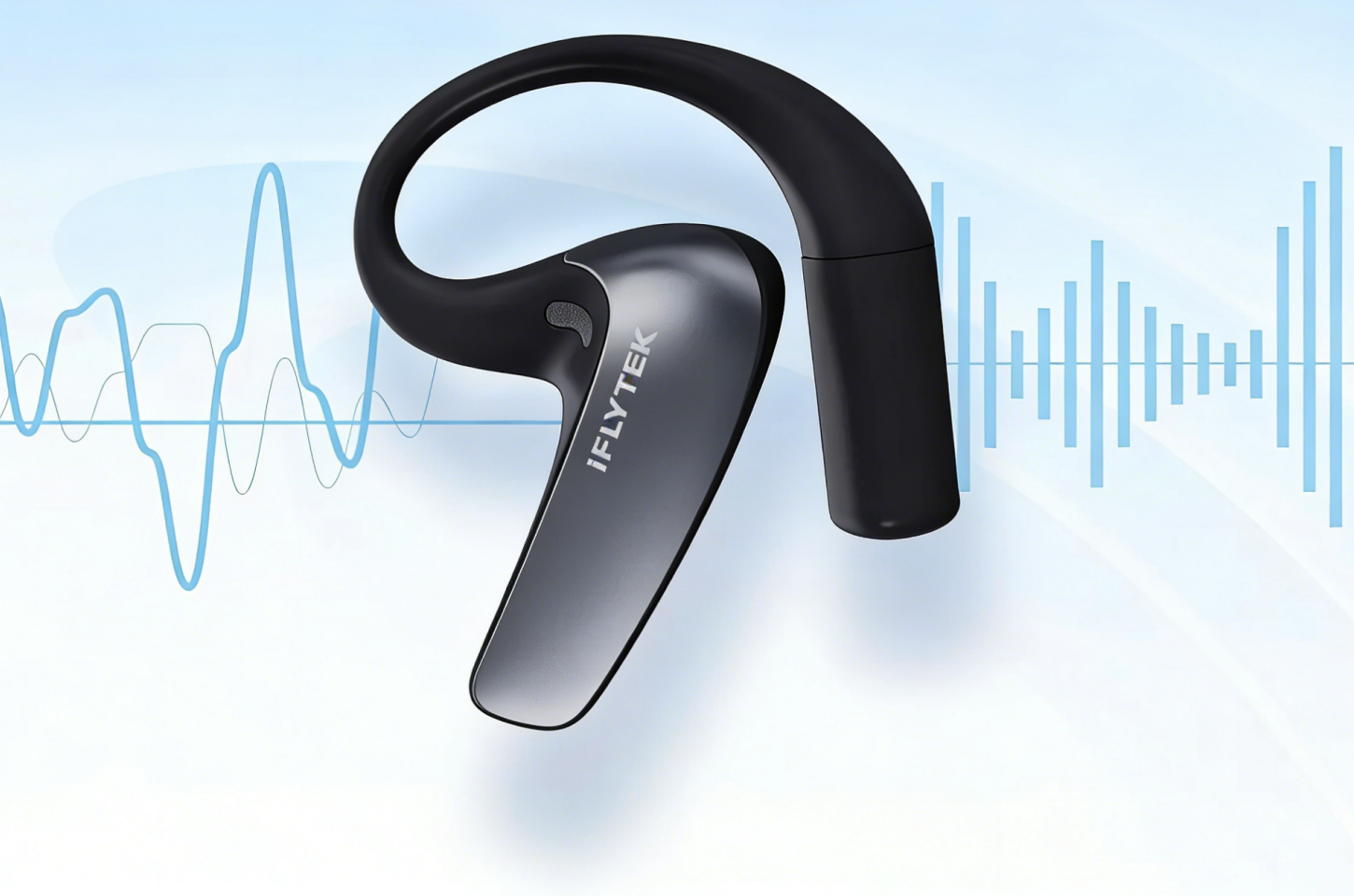
We’ve all wanted real-life subtitles in high-stakes meetings. iFLYTEK AI Translation Earbuds actually deliver them. No 10-second lag—just simultaneous interpretation that catches the "flow" of a fast-talking stakeholder without missing a beat. They support real-time translation across more than 60 languages, making them ideal for truly global teams.
- Real-Time Interpretation for Immersion: It’s like a pro mentor in your ear. Whether it’s a lecture or a foreign video, the "audio parallel text" shows you exactly how complex ideas break down into natural speech. It’s the fastest way to sharpen your intuition without the mental burnout.
- Industry-Specific Vocabulary Accuracy: The real win is how it handles technical jargon. While most tools trip over niche finance or tech terms, this device uses specialized databases to keep things precise. It ensures your professional context doesn't get butchered during high-level discussions.
- Interactive Practice via Dual-Mic Noise Cancellation: The hardware holds up in the wild. The dual-mic system filters out the chaos of a noisy cafe or trade show, giving you a crystal-clear feedback loop. Even in a messy environment, you get professional translation instead of a garbled mess.
The Ultimate "Field" Translator
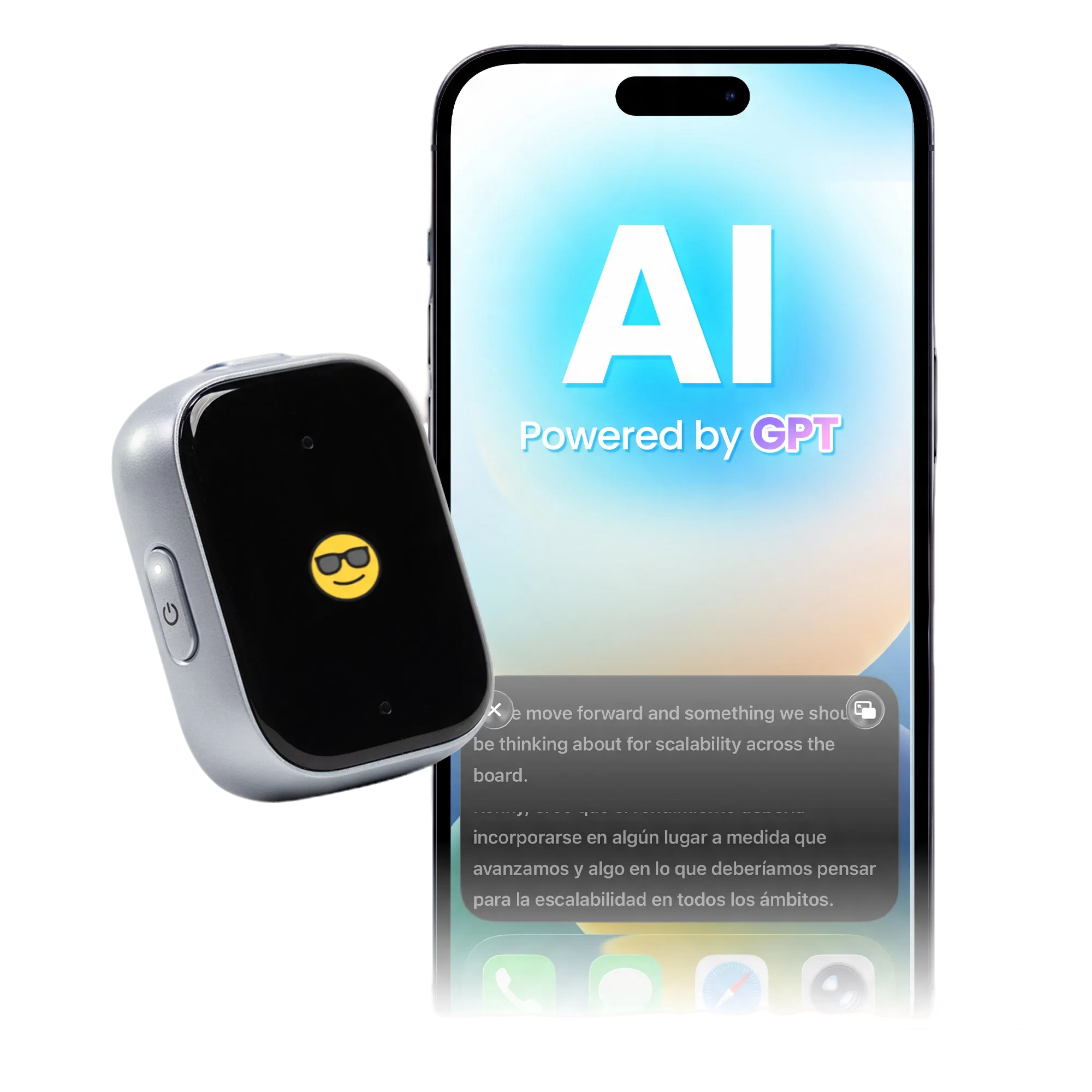
Fumbling with a phone at a trade show looks amateur. The iFLYTEK Smart Translator is a dedicated pro-grade tool built to handle the chaos of a live pitch.
- Multi-Scenario OCR for Visual Learning: The advanced OCR captures signage or technical docs in over 50 languages. It’s a fast way to build a personal "side-by-side" translation database and collect natural phrasing on the fly.
- Precision Training with Noise Cancellation: The U-shaped four-mic array pulls crystal-clear audio out of a noisy convention center. You can export these recordings to shadow the pro-grade pronunciation—the fastest way to fix a "robotic" accent.
- Seamless Practice via Offline Translation: The robust offline mode keeps your workflow steady when the Wi-Fi dies. It’s a distraction-free way to verify complex terms instantly, keeping your focus sharp even without a network.
Conclusion
Breaking through a language barrier isn’t about hitting 100% fluency; it’s just about staying "human" with your team. It takes a mix of patience and leaning on the right gear—like iFLYTEK—to bridge that last 10% of the gap. Once you stop obsessing over every single word, you can finally get back to actually doing the work. Keep it simple, stay patient, and don’t be afraid to let the tech do the heavy lifting.
FAQs
1. What causes language barriers in the workplace?
Language barriers usually stem from a mix of different native languages, heavy use of "corporate jargon," regional accents, and cultural differences in how people give feedback or handle authority.
2. How do managers handle language barriers at work?
The best managers use "Plain English," always provide written follow-ups after meetings, and lean on translation tech to make sure their international team members have a seat at the table.
3. Can language barriers affect team productivity?
Research from McKinsey shows that ineffective communication and language barriers can reduce team productivity by up to 25%. Misunderstandings often lead to duplicated work, missed deadlines, and unnecessary stress
4. What tools help overcome language barriers in meetings?
5. How can employees communicate better across language differences?
Slow down a notch, skip the "baseball metaphors," use plenty of visuals, and always double-check for understanding before hanging up the call.