

Have you ever stared at the same paragraph again and again, wondering, Why Do I Read So Slowly? It’s a common experience. Slow reading can turn enjoyable tasks—like studying for an exam or getting into a good novel—into something exhausting. While most adults read around 200–250 words per minute, many feel they fall behind, especially with dense or unfamiliar material. Understanding why you read so slowly is the first and most important step toward improving your speed and comprehension.
When Slow Reading Is Normal vs. When to Be Concerned
It’s important to understand that reading slowly isn’t always a bad thing. When you’re studying complex texts—like philosophy, legal documents, or scientific papers—you naturally need more time. A slower pace helps you think, take notes, and truly understand the material. In fact, slowing down on purpose is a sign of active and thoughtful reading.
But if you always read slowly, even with simple books or casual articles, and you still feel confused or tired, it may point to a problem. Sometimes this comes from unhelpful reading habits. In other cases, it may relate to conditions like ADHD or dyslexia. If slow reading has been a lifelong challenge and affects your school or work, talking to a specialist can help you get personalized advice and peace of mind.
Reasons You May Read Slowly in Your Native Language
Even when you read in your everyday language, many things can quietly slow you down. The issue is rarely about intelligence. It usually comes from habits or methods that don’t work well.
Poor Reading Habits or Inefficient Methods
One major cause is subvocalization—silently saying each word in your head. This is normal when we first learn to read, but keeping this habit limits you to the speed of our inner speaking voice. Your brain can process words much faster than this.
Another common problem is regression—going back to re-read words or lines without noticing. This breaks your flow and wastes time.
Limited Vocabulary in Certain Subjects
Think about reading a medical article or a complex financial report. Even if English is your native language, you may not know the specific terms used in that field. Your brain has to stop and guess meanings or try to understand unfamiliar words. This extra mental work slows you down. Many studies show that having a strong vocabulary in a specific area is a better predictor of fast reading in that area than general reading skill.
Fatigue, Stress, or Mental Overload
Your reading speed also depends on how you feel. When you’re tired after a long day or stressed by deadlines, your working memory becomes weaker. It’s harder to focus or connect ideas. You may need to re-read often, which slows your reading even more. A calm, rested mind always reads faster and understands better.

Why You Read Even Slower When Reading in a Foreign Language
Reading in a foreign language is much harder than reading in your native one. Your brain has to decode new words, translate meanings, and understand unfamiliar sentence structures. All of this slows you down even more.
Smaller Vocabulary Base
This is the biggest challenge. When you read a foreign language like German or Japanese, you run into many words you do not know. In your native language, you might understand 95% of the words in a text. In a foreign language, that number can drop quickly. Every unknown word forces you to stop and think. These small pauses add up and make your reading very slow.
Grammar Structures That Slow Understanding
Vocabulary is only one part of the problem. Grammar can slow you down too. For example, German often places the verb at the end of long sentences. You must hold the whole sentence in your memory before the meaning becomes clear. This puts extra pressure on your working memory.
Languages like Mandarin add even more difficulty because you have to process characters and tones, which take time to recognize and understand.
Low Exposure to Real Texts
Reading fluently requires a lot of practice with real, natural language. But if you mostly read simple textbooks or learner dialogues, you don’t get enough exposure to complex or idiomatic sentences. When you finally read authentic content like news or novels, you face many surprises. Each surprise slows you down.
Inefficient Tools for Looking Up Words
The tools you use can also affect your speed. If you read a Spanish book and type every unknown word into your phone, you lose your flow. Switching between the book and the dictionary breaks your concentration. It turns reading into a research task instead of a smooth experience.
Tools That Help You Read Foreign Books Faster
Fortunately, modern technology offers solutions that bypass the old, slow dictionary-flipping routine and make the foreign-language reading experience much more efficient. With the right tool—such as a reliable translation pen that instantly scans and interprets unfamiliar words—you can remove most of the friction points we’ve discussed and stay focused on comprehension and immersion.
iFLYTEK Smart Dictionary Pen
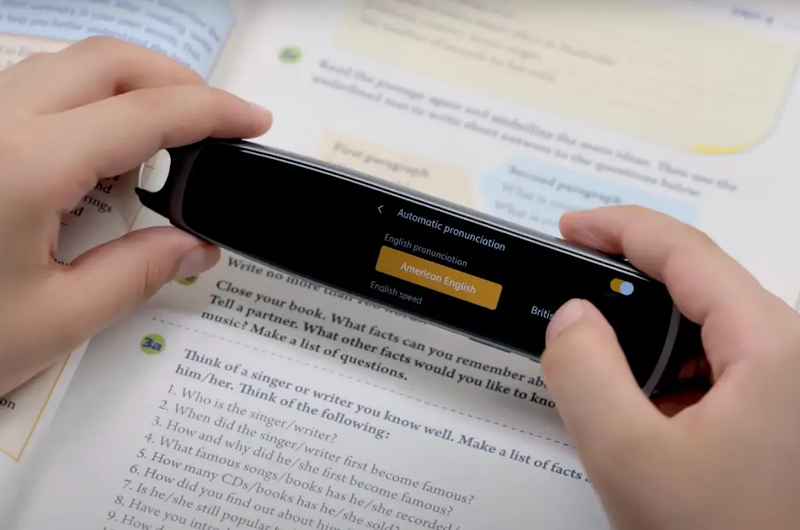
If you want to read a foreign language faster, the iFLYTEK Smart Dictionary Pen is a strong helper. Instead of typing words into your phone, you simply scan the word on the page. The pen shows the meaning in under one second, along with pronunciation. You never have to look away from your book, so your reading flow stays smooth.
Here are the key advantages:
- 0.5-Second Fast Scan: The pen gives results almost instantly. This removes the long pause that normally slows you down when looking up words.
- Built-In Dictionaries: It includes large and trusted dictionaries, such as the Oxford Advanced Learner’s Dictionary. You don’t need internet or heavy books.
- Clear, Native Pronunciation: The pen can read the word aloud. This helps you improve both reading and speaking, especially in languages with tones.
- One-Click Word List: You can save new words with one tap. This makes vocabulary review quick and helps you read faster next time.

By making word lookup fast and easy, the iFLYTEK Smart Dictionary Pen keeps you focused and immersed in the language. It brings together the comfort of reading a physical book and the speed of modern technology.
How to Make Reading More Enjoyable & Efficient
Once you understand what slows you down and you have the right tools, the next step is building good habits. Real speed comes from consistent practice, not quick tricks.
Build Daily Reading Habits
Fluency grows little by little. Set a daily reading goal, such as 20–30 minutes or a certain number of pages. Small, steady practice helps your brain recognize words and patterns faster. Just like training a muscle, regular effort leads to long-term improvements.
Use a Reading-Friendly Environment
Distractions slow your reading more than you realize. Choose a quiet, well-lit place. Keep your phone and other devices away unless you’re using them for reading. A comfortable but supportive chair or soft background music without lyrics can help you stay focused. A good environment keeps your mind on the text, not on interruptions.
Combine Digital and Physical Tools
Modern readers use both physical books and smart tools. A printed book feels enjoyable to hold, while the iFLYTEK Smart Dictionary Pen gives you fast word lookups without breaking your flow. For language learners, this mix is especially effective. You get the deep engagement of a real book and the quick help of digital support, making reading easier and more efficient.
Final Tips
In the end, improving your reading speed is about skill and awareness, not force. You can use a bookmark or your finger as a guide to keep your eyes moving forward and reduce re-reading. Always put comprehension first. Reading faster is not helpful if you understand less.
By fixing the main problems—bad habits, weak vocabulary, and slow tools—and using better strategies, you can turn reading from a struggle into something enjoyable and rewarding.
Frequently Asked Questions (FAQs)
1. Is it bad to subvocalize?
Subvocalization is normal and helps with understanding. But it limits your speed to about 150–250 WPM. To read faster, use your finger as a guide or chew gum to reduce the habit.
2. How can I quickly grow vocabulary in a subject?
Focus on important, repeated terms. Don’t stop for every new word. Mark key words and review them later with flashcards. A dictionary pen like iFLYTEK can save words instantly.
3. How often should I test my reading speed?
Test every two to four weeks. Use the same type of text each time. Check comprehension, not just speed.
4. Does digital reading make me slower?
Physical books may give slightly better speed and memory. But the difference is small. Reduce digital distractions and eye strain for best results.
5. How does a dictionary pen help non-native readers?
A phone lookup takes many steps and breaks focus. A dictionary pen gives an instant definition without leaving the page. This keeps your reading smooth and fast.