
Learning translation from scratch may feel overwhelming at first. You might wonder: Can I really become a translator without any background? The short answer is yes. Zero foundation is not a barrier, but choosing the right learning path is essential.
Translation is not a mysterious talent reserved for “language geniuses.” It is a practical, trainable skill built through structured learning, consistent practice, and deep language awareness. Just like playing an instrument or coding, it improves over time with deliberate effort.
In this guide, we’ll walk through everything beginners need to know, from building language foundations to practicing effectively, choosing the right tools, and understanding realistic timelines.
Can You Learn Translation from Scratch Without Experience?
Yes, absolutely. You don’t need a degree in linguistics to start, but you do need a disciplined mindset. Translation is less about word-for-word replacement and more about transferring meaning.
Think of it like learning to play an instrument. You start by learning the notes (vocabulary) and scales (grammar), but eventually, you learn how to interpret the music (context and tone). As a beginner, your lack of experience is actually an advantage: you haven't developed the "bad habits" of literal translation that many self-taught hobbyists struggle to break.
What Do You Need to Learn First to Start Translation?
Before you pick up a dictionary, you need to prepare your "toolbox." You cannot translate what you do not fully understand.
Building a Solid Source and Target Language Foundation
Translation involves two players: the Source Language (what you read) and the Target Language (what you write).
Source Proficiency: You must be able to catch the subtle differences, metaphors, and subtext.
Target Proficiency: This is where most beginners fail. Your ability to write beautifully and naturally in the target language is often more important than your knowledge of the source.
Understanding Basic Grammar and Sentence Structure
Translation is a secondary expression across cultures. The different grammar and sentence structures of two languages reflect cultural differences. In English, every sentence usually needs a clear 'subject' (the person or thing acting). In Chinese, however, the meaning is often built around the "context" (the overall scene). If you always force an English-style subject into a Chinese sentence, it will sound stiff and unnatural.
Developing Reading and Comprehension Skills
Critical reading is the first step of translation. You should practice identifying the register of a text: Is it formal, slangy, technical, or poetic? If you misinterpret the tone, the translation will fail, no matter how accurate the words are.
-10.png?w=1450&h=960)
How to Learn Translation Step by Step from Scratch
Follow this five-step ladder to move from a bilingual reader to a competent translator.
Step 1: Improve Input Before Output
Read extensively in both languages. Read news, technical manuals, and novels. Pay attention to how professional writers phrase things. You need to fill your brain with "templates" of natural-sounding language before you try to produce your own.
Step 2: Learn to Analyze Meaning, Not Words
The "Golden Rule" of translation is: Translate meanings, not words. If you translate the English idiom "It's raining cats and dogs" literally into another language, it will make no sense. A translator looks at the phrase, extracts the meaning (it is raining very hard), and finds the natural counterpart in the target language.
Step 3: Practice Simple Sentence Translation
Focus on making the sentence sound like it was originally written in the target language. Don't start with Shakespeare. Start with:
- Product descriptions
- Public signs
- Children's books
- Weather reports
Step 4: Compare Your Translation with Reference Versions
This is the secret sauce for rapid improvement. Find a text that has already been professionally translated (like a TED Talk transcript or a bilingual news article). Translate the source text yourself, then compare your version to the professional one.
You can ask yourself: “Why did they choose that word?” or “How did they handle that difficult sentence?”
Step 5: Revise and Refine Your Own Translations
As Ernest Hemingway famously said, "The only kind of writing is rewriting." This is especially true in translation. Your first draft is just a starting point. Put your translation away for 24 hours, then come back to it with fresh eyes. You’ll often find that your “perfect” translation actually sounds clunky or awkward.
How to Practice Translation Effectively as a Beginner
Practice doesn't make perfect; deliberate practice makes perfect. Build your foundation with these initial steps and level up your expertise through targeted, high-quality practice.
Choosing the Right Practice Materials
Pick subjects you are already interested in. If you love gaming, translate game reviews. If you like cooking, translate recipes. Familiarity with the subject matter makes the linguistic hurdles much easier to clear.
Translating Short Texts Instead of Long Articles
Burnout is real. Instead of trying to translate a 10-page essay, focus on one paragraph and make it perfect. Prioritizing quality over quantity is essential for beginners, as it allows you to focus on the subtle details that make a translation truly professional.
Using Parallel Texts and Bilingual Resources
Parallel materials (side-by-side translations) are incredibly helpful. They work like a guide, showing you exactly how professional translators handle tricky sentences and bridge the differences between two languages.
Using Machine Translation as a Learning Tool
Don't fear AI, and just use it. Tools like DeepL or Google Translate can provide a base for you to critique. Ask yourself: "Where did the AI get it wrong? How can I make this sound more human?" This develops your editing skills, which is a massive part of modern professional translation.

Recommended Tools to Support Your Translation Learning
While traditional practice methods such as parallel texts and self-revision remain essential, modern translation technology can make the learning process faster and more interactive.
For beginners, smart translation devices can serve as helpful companions — allowing you to check terminology instantly, capture real-world language examples, and practice listening or interpretation skills in everyday situations.
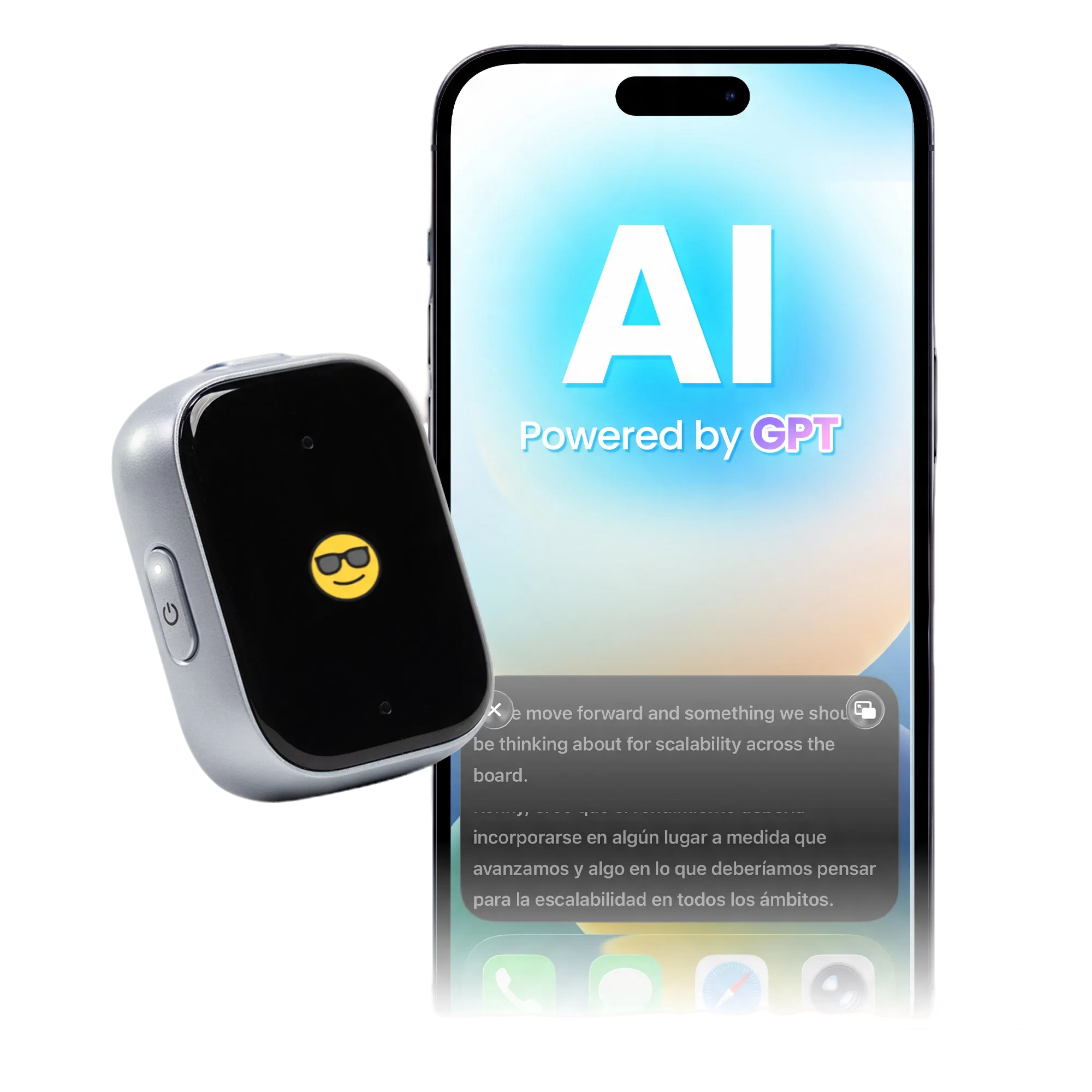
iFLYTEK Smart Translator
For those focusing on written or situational translation, the iFLYTEK smart translator offers specialized industry vocabulary. It’s a great way to check your work on the go and ensure that your technical terms are up to date.
Multi-Scenario OCR for Visual Learning
It captures signage or academic texts instantly with advanced OCR technology. Supporting over 50 languages, it’s a powerful visual tool for collecting natural counterparts and building your personal database of "side-by-side" translations anywhere.
Precision Training with Noise Cancellation
When practicing interpretation or pronunciation shadowing, clear audio input is essential. The device’s four-microphone array helps capture speech accurately even in noisy environments, allowing learners to replay and analyze real conversations. By exporting recordings of its pro-grade pronunciation, beginners can shadow the audio to fix "robotic" accents and refine their spoken intuition.
Seamless Practice via Offline Translation
The robust offline translation ensures your deep work remains uninterrupted without a network. It provides a distraction-free environment to instantly verify complex terms, keeping your learning flow steady and your focus sharp.
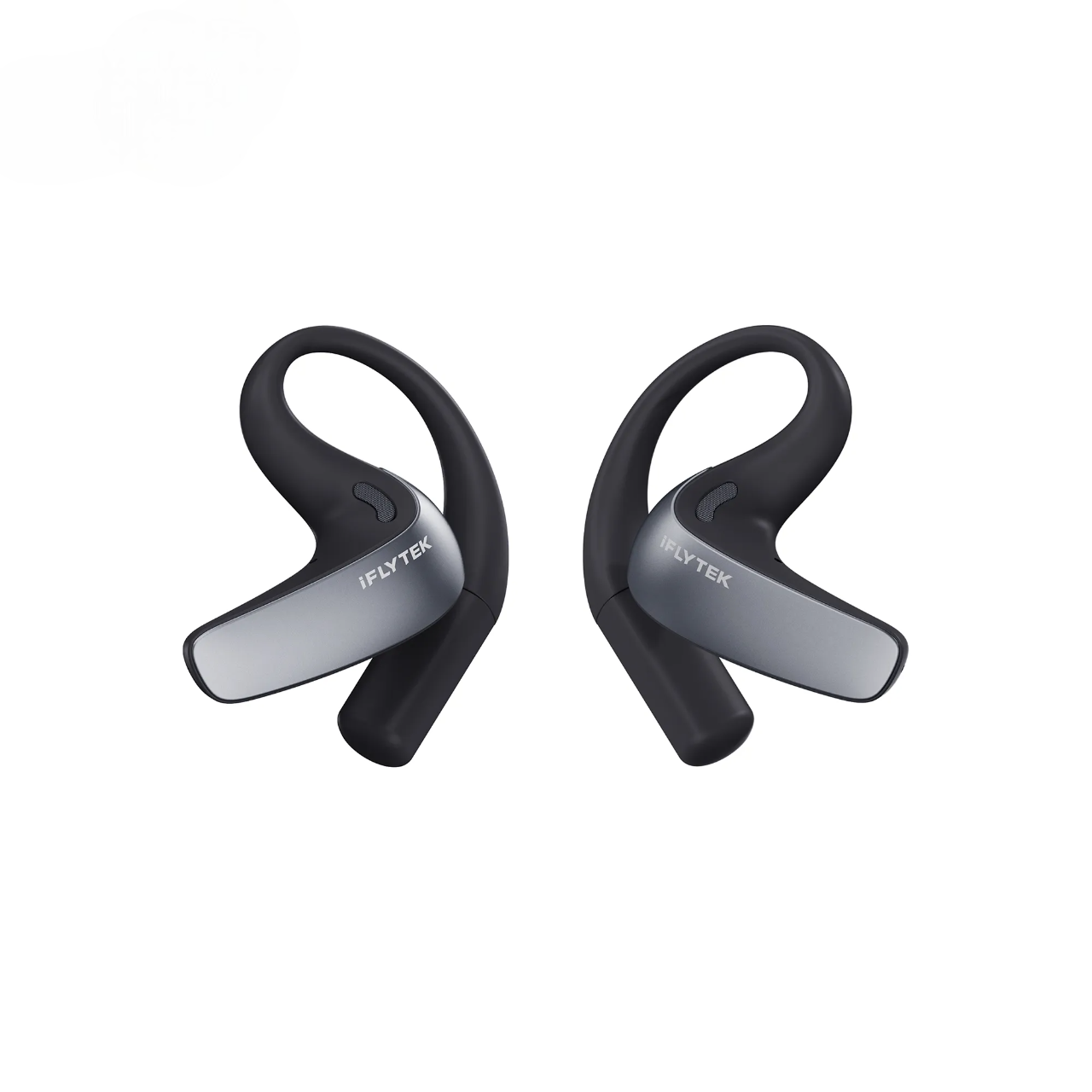
iFLYTEK AI Translation Earbuds
These are incredible for simultaneous interpretation practice. By wearing the iFLYTEK AI translation earbuds during a conversation or while watching a foreign video, you can hear the translation instantly. The earbuds also support your speaking practice, allowing you to follow the flow of speech and learn how professional algorithms handle sentence breaks.
Real-Time Interpretation for Immersion
They provide seamless simultaneous interpretation for lectures and movies. This real-time "audio parallel text" helps you observe how professional logic restructures complex sentences into natural-sounding speech.
Industry-Specific Vocabulary Accuracy
The device masters "nuanced" terminology with specialized databases for finance and tech. It acts as a professional mentor, ensuring your technical translations remain precise and contextually appropriate.
Interactive Practice via Dual-Mic Noise Cancellation
The dual-mic system captures crystal-clear audio even in noisy cafes. This allows you to record and shadow professional speech, providing a stable feedback loop to refine your linguistic intuition.
Conclusion
Learning translation from scratch can feel challenging at first, but progress comes from consistent practice and careful reflection. By focusing on meaning instead of word-for-word conversion—and using modern tools wisely, you can gradually develop the instincts of a skilled translator. With patience, curiosity, and daily practice, the path from beginner to confident translator becomes much clearer.
FAQs
1. How Long Does It Take to Learn Translation from Scratch?
If you already have a strong grasp of two languages, you can learn the basic techniques of translation in 6 to 12 months of consistent practice. To become a professional capable of handling complex legal or medical texts, it usually takes 2 to 3 years of specialized study.
2. Should I memorize vocabulary or practice translation first?
Practice translation first. Memorizing isolated lists of words is inefficient because words change meaning based on context. By translating, you learn vocabulary within context, which makes it much easier to remember and use correctly.
3. Is translation a skill or a talent?
It is 90% skill and 10% talent. While some people have a natural "ear" for language, the ability to accurately research terms, maintain consistency, and follow a style guide are all skills that are learned through repetition and feedback.
4. Can beginners use translation tools while learning?
Yes, but use them as a tutor, not a crutch. Use tools like iFLYTEK's AI products to compare your work or to help you through a mental block. The goal is to understand why the tool suggested a certain word so that eventually, you won't need the tool at all.