

Starting a conversation or making a good first impression often begins with a simple "Hello." If you’re visiting or learning about South Korea, knowing the different ways to say "hi" is more than just words; it shows respect and understanding of the culture. With iFLYTEK, you can easily learn and pronounce authentic Korean greetings. This guide will cover the key Korean greetings, from casual to very formal, so you’re ready for any situation.
The Importance of Greetings in Korean Culture
Greetings in Korea are more than a simple formality. They show the country’s hierarchical and Confucian culture. The way you say "hello" shows respect for a person’s age, social status, and your relationship with them. Greetings often include a slight or deep bow. The deeper the bow, the more respect is shown. Understanding this is the first step to connecting with Korean people.

Basic Korean Greetings and Honorifics
The Korean language utilizes honorifics—special word endings, verb forms, and sometimes entirely different words—to reflect the social ranking between the speaker and the listener. This is especially true for greetings, which change depending on the context.
안녕하세요 (Annyeonghaseyo)
This is the standard, polite, and most versatile way to say "hello" in Korean. You can use it when greeting a stranger, a shopkeeper, a teacher, a senior colleague, or someone you've just met. It literally translates to something closer to "Are you in peace/well-being?" and is appropriate for almost any situation that requires a basic level of politeness.
안녕 (Annyeong)
This is the casual and informal form of "hello." Use this only with close friends, people younger than you, or those you have established a very familiar and informal relationship with. Using Annyeong with an elder or a superior is considered disrespectful.
안녕하십니까 (Annyeonghasimnikka)
This is the most formal and honorific way to say "hello." While less common in everyday street conversations, you will hear this in highly formal settings, such as military contexts, on the news, or when addressing a very important dignitary or a large audience. It carries an elevated sense of respect and professionalism.
Saying “Hi” in Different Situations
The key to successfully greeting someone in Korean is recognizing the context and choosing the correct level of formality.
Greeting friends and peers
When you meet your study group at a busy Seoul café, you can say 안녕 (Annyeong). Wave your hand while greeting. This shows you are close and comfortable with them.
Greeting elders or superiors
Imagine you visit a traditional Korean home. You are introduced to your friend’s grandmother. You should say 안녕하세요 (Annyeonghaseyo) and bow respectfully. Showing this respect is very important and appreciated.
Professional or formal settings
When you walk into an important business meeting in Gangnam, greet your clients or boss with 안녕하세요 (Annyeonghaseyo). If the meeting is very formal or serious, use 안녕하십니까 (Annyeonghasimnikka).
Common Responses to “Hi”
Just as there are different ways to say "hello," there are also appropriate ways to respond to a greeting.
Responses in casual situations
When a friend says 안녕 (Annyeong) to you, the easiest and most common response is simply to say 안녕 (Annyeong) back. You can also follow up with 잘 지냈어? (Jal jinaesseo?), meaning "Have you been well?"
Responses in formal situations
If someone politely greets you with 안녕하세요 (Annyeonghaseyo), your standard reply is also 안녕하세요 (Annyeonghaseyo). You might add 네, 감사합니다 (Ne, gamsahamnida), which means "Yes, thank you," or 만나서 반갑습니다 (Mannaseo bangapseumnida), meaning "Nice to meet you."
Essential Tools for Mastering Korean Greetings
While learning the words is a great start, pronouncing them correctly is crucial for effective communication. If you find yourself struggling with pronunciation or need real-time assistance during a conversation, especially in a fast-paced environment, having a reliable tool is a game-changer.
iFLYTEK Smart Translator
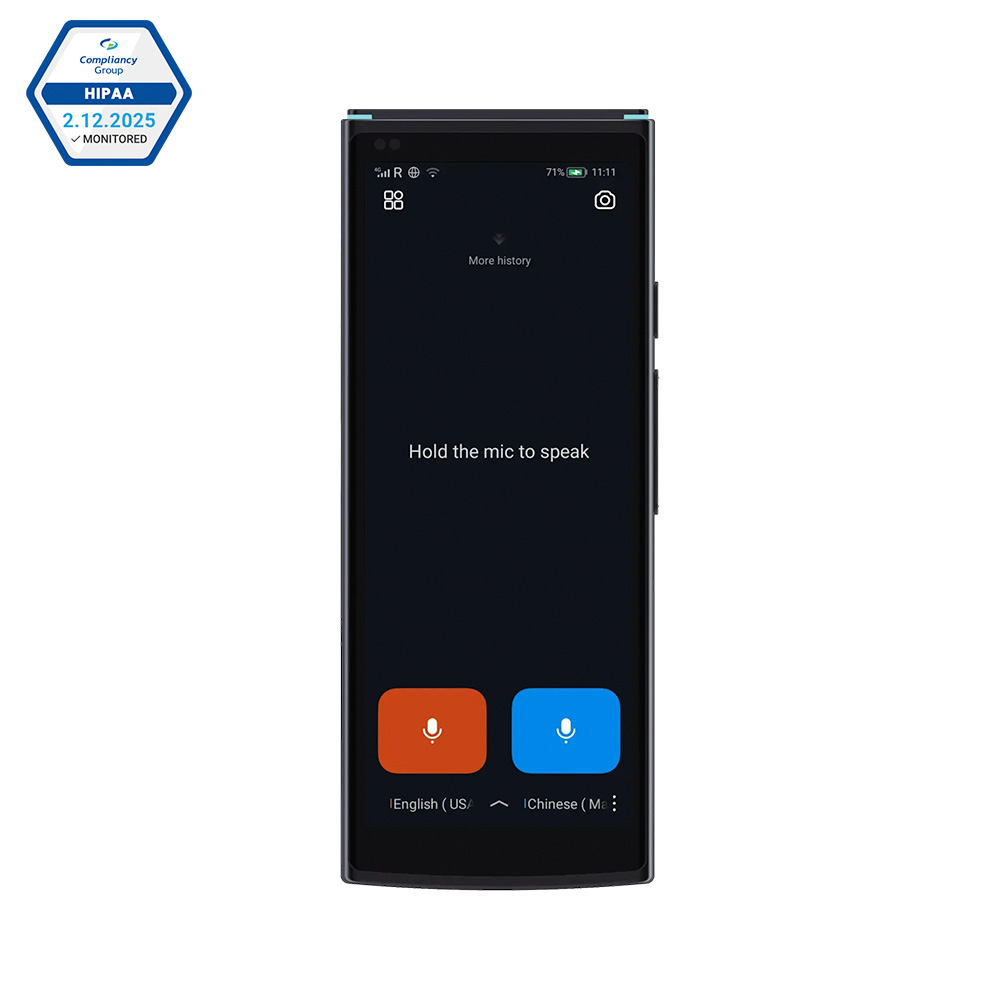
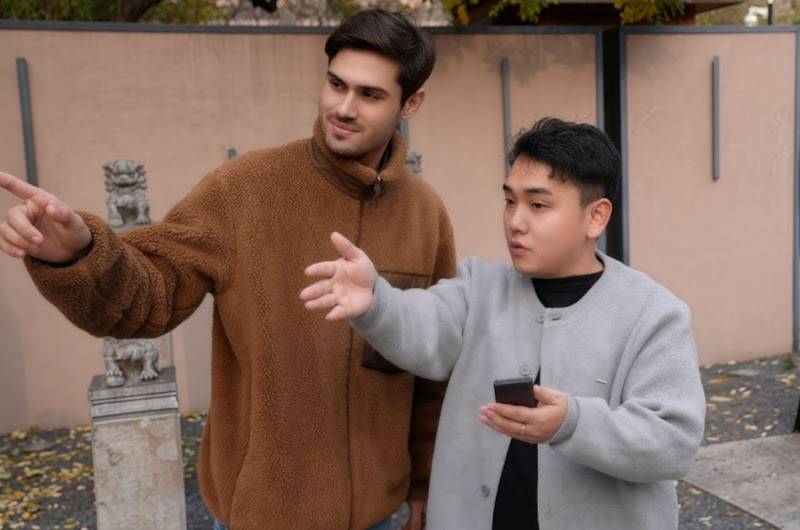
This is where the iFLYTEK Smart Translator becomes an indispensable travel and learning companion. Imagine you are approached by a local who speaks very quickly; the two-way translation feature instantly bridges that gap. Furthermore, it helps you perfect your own pronunciation by providing accurate audio output for complex phrases like 안녕하십니까 (Annyeonghasimnikka), ensuring you greet elders and superiors with the correct tone and respect. Whether you need to practice a quick "hello" or translate a full conversation about Korean culture, this translator device is an invaluable resource for confident interaction.

Key Features:
- Offline Support: Translate confidently anytime without an internet connection for accurate, real-time communication across multiple languages.
- Seamless Dialogue Translation: Capture and translate conversations instantly for deeper communication.
- Instant Image Translation: Translate text from images across 50 languages using advanced OCR technology.
- Automatic Language Comprehension: The device automatically detects and translates languages for smooth, natural conversation.
- Multi-Language Support:
Up to 60 languages are supported globally for online translation
50 languages for photo translation
18 languages for chat translation
Bowing: Cultural Tips for Greeting in Korea
Besides mastering the words and tools, understanding body language is equally important in Korean greetings.
The Bow
Always accompany a formal greeting with a bow. A slight nod is fine for casual settings, but a deeper bow (about 15-45 degrees) is necessary for elders or superiors.
No Hugging/Kissing
Unlike many Western cultures, physical contact like hugs or kisses is not common when greeting. A polite bow is the standard.
Eye Contact
While not strictly forbidden, overly intense or prolonged eye contact during a formal greeting can sometimes be seen as challenging or disrespectful, especially towards elders. A momentary, polite gaze is sufficient.
Conclusion
Learning to say "Hi" in Korean is a fun first step into the culture. By knowing 안녕 (Annyeong), 안녕하세요 (Annyeonghaseyo), and 안녕하십니까 (Annyeonghasimnikka), and when to use each, you show respect and make connecting with people easier. With this knowledge—and maybe a handy iFLYTEK Smart Translator, you’ll feel confident navigating social situations in Korea.
FAQs
1. How to say "Happy Birthday" in Korean
The most common and polite way is 생일 축하해요 (Saeng-il chukahaeyo). For someone younger or a close friend, you can use the casual 생일 축하해 (Saeng-il chukahae).
2. How to say "Thank You" in Korean
The standard polite way is 감사합니다 (Gamsahamnida). A more casual or lighter way is 고마워요 (Gomawoyo) or the very casual 고마워 (Gomawo).
3. How to say "I love you" in Korean
The most common way is 사랑해요 (Saranghaeyo). For a romantic and slightly more formal tone, you can use 사랑합니다 (Saranghamnida). For a casual and intimate setting, use 사랑해 (Saranghae).
Read More: