
For English speakers, some foreign languages are noticeably easier to learn than others. This is often due to shared linguistic roots, similar grammar structures, or familiar vocabulary. Languages such as Spanish, French, Dutch, and Norwegian are commonly considered more accessible because they either belong to the same language family (Germanic or Romance) or have significant lexical overlap with English.
However, “easy” is not a fixed category. What feels simple or difficult can vary widely from person to person. Factors like your experience, environment, and motivation often make a bigger difference than the language itself.
Factors That Can Make Any Language Easier or Harder
Before choosing a language based only on general rankings, it is important to understand what truly affects learning difficulty. Personal background, environment, and goals often play a larger role than the language itself.
Your Previous Language Learning Experience
If you have learned another language before, especially one related to your target language, the process becomes easier. Familiar grammar patterns and shared vocabulary can speed up comprehension, while prior experience also helps you develop effective study habits and learning strategies that support faster progress.
Learning Environment and Exposure
Regular exposure strongly influences how quickly you improve. Interaction with native speakers, whether in person or through media such as podcasts and videos, reinforces listening and speaking skills. A structured and supportive environment also helps maintain consistency and provides more opportunities to practice.
Availability of Learning Resources
Languages with abundant learning materials are generally more accessible. Well supported languages offer diverse resources such as apps, courses, and tutors, making it easier to find tools that fit your needs. Limited resources can slow progress and make learning less efficient.
Personal Motivation and Goals
Motivation is a key driver of success in language learning. Clear goals, whether for travel, work, or personal interest, help maintain consistency and focus. When your objectives are well defined, the learning process becomes more targeted and manageable.
-1450x.webp?w=1450&h=960)
Top Easiest Languages for English Speakers to Learn
While many European languages are often recommended for English speakers, several Asian languages can also be relatively approachable in practice. Although their writing systems or pronunciation may differ, they often feature simpler grammar, fewer verb changes, and flexible sentence patterns. For learners focused on communication, these traits can support faster early progress.
Indonesian and Malay
Indonesian and Malay are often considered beginner friendly due to their highly regular structure. There are no verb conjugations or complex grammar patterns, which makes sentence building straightforward from the start.
Pronunciation is also consistent, as most words are spoken as written. This reduces the learning curve and allows learners to focus on communication early on.
Filipino Tagalog
Filipino Tagalog stands out for its mix of native vocabulary and borrowed words from Spanish and English. This makes many everyday terms easier to recognize for English speakers.
While its grammar system is unique, learners can still communicate effectively using common patterns without mastering all structures early on.
Vietnamese
Vietnamese is relatively easy in terms of structure, with minimal grammar rules and no verb changes. This allows learners to focus more on building vocabulary and forming sentences.
The main challenge is its tonal pronunciation, but once learners adapt to the sound system, progress tends to become more stable.
Thai
Thai is accessible in everyday communication due to its flexible sentence structure. Learners can express basic ideas without needing complex grammar knowledge.
The writing system and tones may require extra effort at the beginning, but spoken Thai is often easier to pick up through repetition and real use.
Korean
Korean is notable for Hangul, a writing system designed to be logical and easy to learn. Most learners can start reading basic text within a short time.
Although sentence structure differs from English, its patterns are consistent. Once familiar, learners can build skills in a structured and predictable way.
Tips to Learn a New Language Faster for English Speakers
Learning a new language can feel manageable at first, but without consistent practice and real-time feedback, progress often slows down. Building effective habits early can make a noticeable difference in both speed and confidence.
Focus on High Frequency Vocabulary First
Start with the most commonly used words and phrases instead of trying to memorize everything at once. High frequency vocabulary covers a large portion of daily communication, allowing you to understand and respond in basic situations more quickly. Focusing on practical categories such as greetings, daily activities, and common verbs also makes learning more immediately useful.
This approach helps build early momentum and reduces frustration. Once you can recognize and use common expressions in context, it becomes easier to expand into more complex topics while maintaining confidence and consistency.
Practice Active Listening and Speaking Daily
Passive learning alone is rarely enough. Actively listening and speaking every day helps reinforce pronunciation, improve comprehension, and build confidence in real conversations. Combining listening with immediate response, such as repeating or imitating sentences, can make practice more effective.
Even short, consistent sessions can deliver strong results. Regular practice trains your brain to process language in real time, helping you move from understanding to spontaneous communication more naturally.
Leverage Technology and Language Learning Tools
Technology can help bridge the gap between learning and real-world use, especially when consistent practice and immediate feedback are limited. Tools that enable real-time interaction allow learners to apply what they know in everyday situations rather than relying only on passive study.
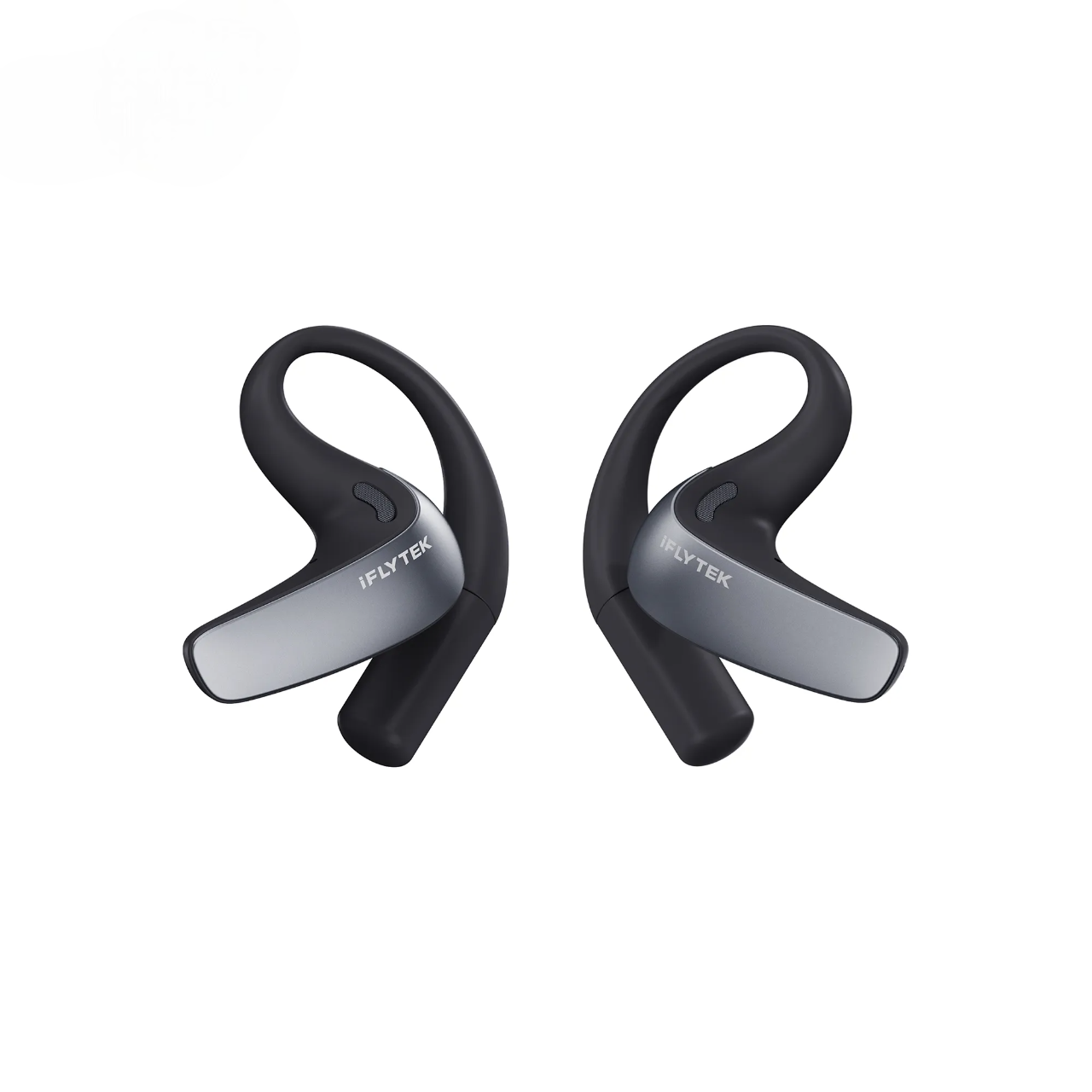
iFLYTEK AI Translation Earbuds make this process more natural by supporting hands-free, face-to-face simultaneous interpretation. Learners can stay engaged in conversations without interruption, listening and responding in real time, which helps build confidence and reinforces practical language use.
With support for global call translation across 60 plus languages and features for online meetings and listening, these earbuds extend practice beyond in-person settings. Whether communicating remotely or following live discussions, learners gain more exposure to authentic language, making progress faster and more consistent.
-10.webp?w=1450&h=960)
How Long Does It Take to Learn an Easy Language
The time required to learn an easy language depends on several factors, including the language itself, your goals, and how you study. While some learners can reach basic conversational ability within a few months, achieving higher proficiency takes longer and requires consistent practice. Setting clear expectations early helps maintain motivation and plan your learning more effectively.
FSI Language Categories Explained
The Foreign Service Institute classifies languages based on the average time English speakers need to reach professional working proficiency. Category I languages typically require around 600 to 750 hours of study, making them among the fastest to learn. These benchmarks provide a useful reference, but actual timelines vary depending on learning methods and individual consistency.
Learning Time Based on Proficiency Goals
Learning time varies significantly depending on your target level. Basic conversational skills can often be developed relatively quickly, especially when focusing on practical communication. In contrast, achieving fluency for professional or academic use requires deeper knowledge, including advanced vocabulary, complex structures, and cultural understanding.
Study Intensity and Consistency
Consistency is one of the most important factors in learning speed. Regular daily practice, even in short sessions, is more effective than irregular intensive study. Combining active skills such as speaking and listening with real-world exposure helps reinforce learning and leads to faster, more sustainable progress.
FAQ
What is the hardest part of learning a new language?
The most challenging part is often speaking and listening in real time. Learners may understand grammar and vocabulary but struggle to process conversations quickly and respond naturally, especially without regular practice or exposure.
Do translation devices help with language learning?
Translation devices can support language learning by providing real-time understanding and feedback. With tools like the iFLYTEK AI Translation Earbuds, learners can follow conversations more easily, reduce communication barriers, and gradually improve their listening and speaking skills through everyday use.
Can adults learn a new language easily?
Yes, adults can learn a new language effectively with the right approach. While they may not learn as intuitively as children, adults benefit from stronger discipline, clearer goals, and better learning strategies, which can lead to steady progress.
Which language is closest to English?
Languages closest to English are typically from the same Germanic family, such as Dutch, German, and Norwegian. These languages share similar vocabulary, sentence structure, and grammar patterns, making them easier for English speakers to learn.
What is the fastest way to learn a new language?
The fastest way is to combine high-frequency vocabulary learning with daily speaking and listening practice. Consistent exposure, active use, and real-world interaction are key to accelerating progress and improving retention.
Conclusion
Learning a new language does not have to be slow or overwhelming. By choosing the right language, focusing on practical skills, and maintaining consistent practice, learners can make steady and meaningful progress. Tools like iFLYTEK AI Translation Earbuds can further support this process by enabling real-time communication and continuous exposure, helping learners build confidence and apply what they learn in everyday situations.