
When students first encounter the TOEFL Listening section, many feel overwhelmed. Professors speak quickly, use unfamiliar academic words, and jump between different ideas. Worse, there’s no replay button, and you only get one chance to listen. That pressure alone can make listening feel like the hardest part of the TOEFL.
But don’t worry. With the right strategies and smart tools, you can train your ears, take better notes, and confidently answer questions. In this guide, we’ll discuss why TOEFL Listening is so challenging, what makes it tricky, and how you can overcome it with proven techniques and intelligent study tools.
Why Do Many Test-Takers Find TOEFL Listening So Difficult?
The TOEFL Listening section simulates real academic environments. That means you’re not just hearing simple conversations but also listening to university lectures and discussions that include complex ideas, detailed explanations, and even subtle meanings. Test-takers often struggle because of the following problems:
- They can’t process information at native-speaker speed.
- Often lose focus when they don’t understand a phrase.
- Failing to take effective notes leads to confusion in questions.
What Specific Factors Make TOEFL Listening Difficult?
Problems with fast speech, different accents, academic vocabulary, and poor note-taking are the main reasons why TOEFL Listening is harder than expected. We will analyze these reasons in depth, finding the starting point for solving the problem.
Fast Speech
Professors and students in TOEFL recordings speak naturally, not slowly for learners. You’ll hear lectures with complex sentences delivered at full speed. What’s more, linking makes spoken English sound like one long word, leading to missed details.
Different Accents
The TOEFL includes North American, British, and other global English accents. If you’re used to just one variety, switching suddenly can cause confusion. For example, “schedule” might sound like /skedʒuːl in American English and /ʃedjuːl in British English.
Academic Vocabulary
Lectures often include specialized terms from history, biology, or astronomy. Even if you understand everyday English, academic vocabulary like “photosynthesis,” “sociocultural,” or “archaeological findings” can feel overwhelming.
Struggle With Note-Taking During Listening
You only hear the audio once. If your notes are messy or incomplete, you’ll miss key information when answering questions. Many students panic, write too much or too little, and lose track of the lecture’s structure.
How Can You Start to Overcome These Listening Challenges?
Overcoming the difficulties of TOEFL Listening requires a strategic combination of consistent practice and the right tools. Practice builds your natural listening ability, and tools help you focus on the most important part: understanding and extracting key ideas. By balancing both, you can steadily transform TOEFL Listening from an intimidating task into a skill you can confidently manage. Here’s how you can make progress step by step:
iFLYTEK Smart Recorder Helps You Focus and Take Better Notes
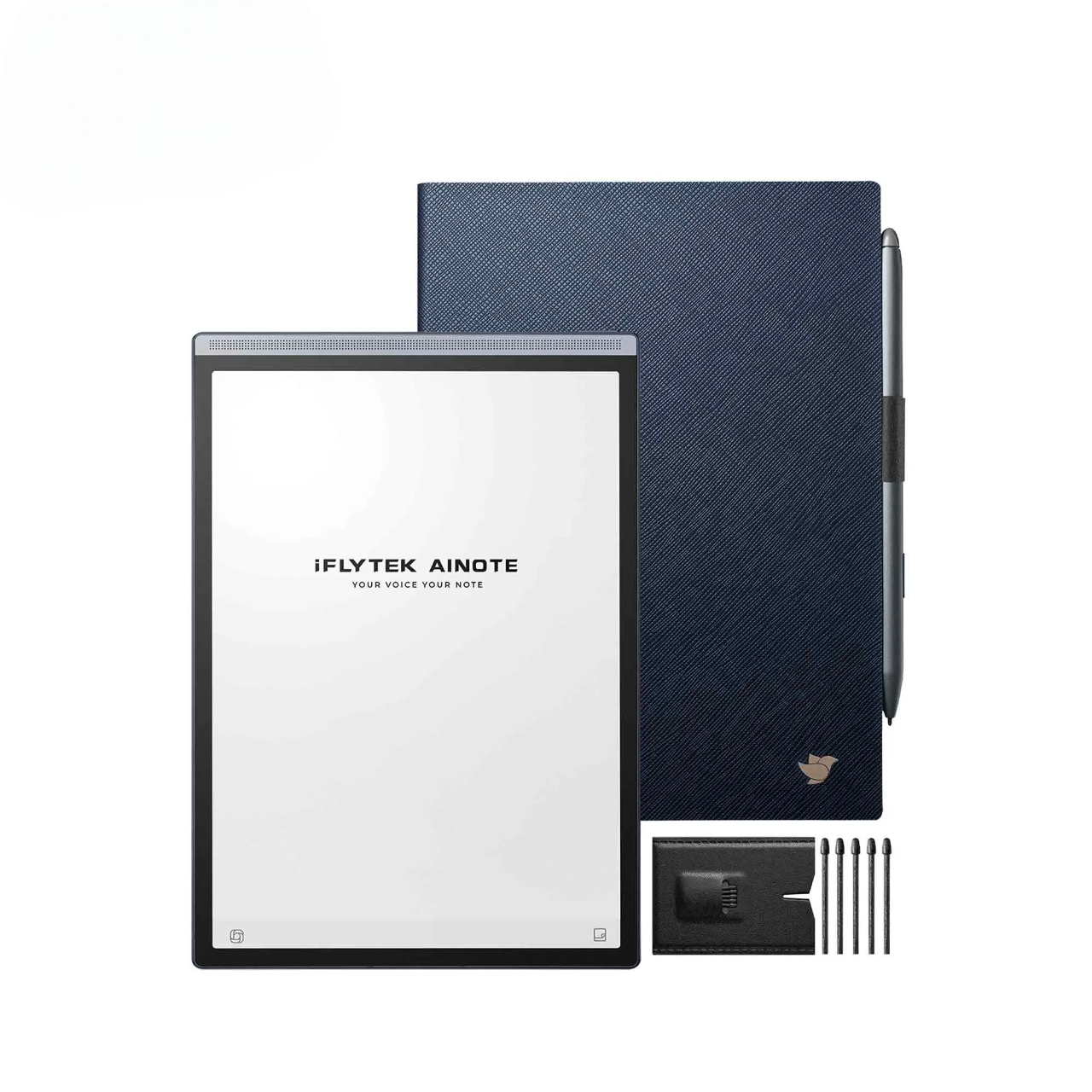
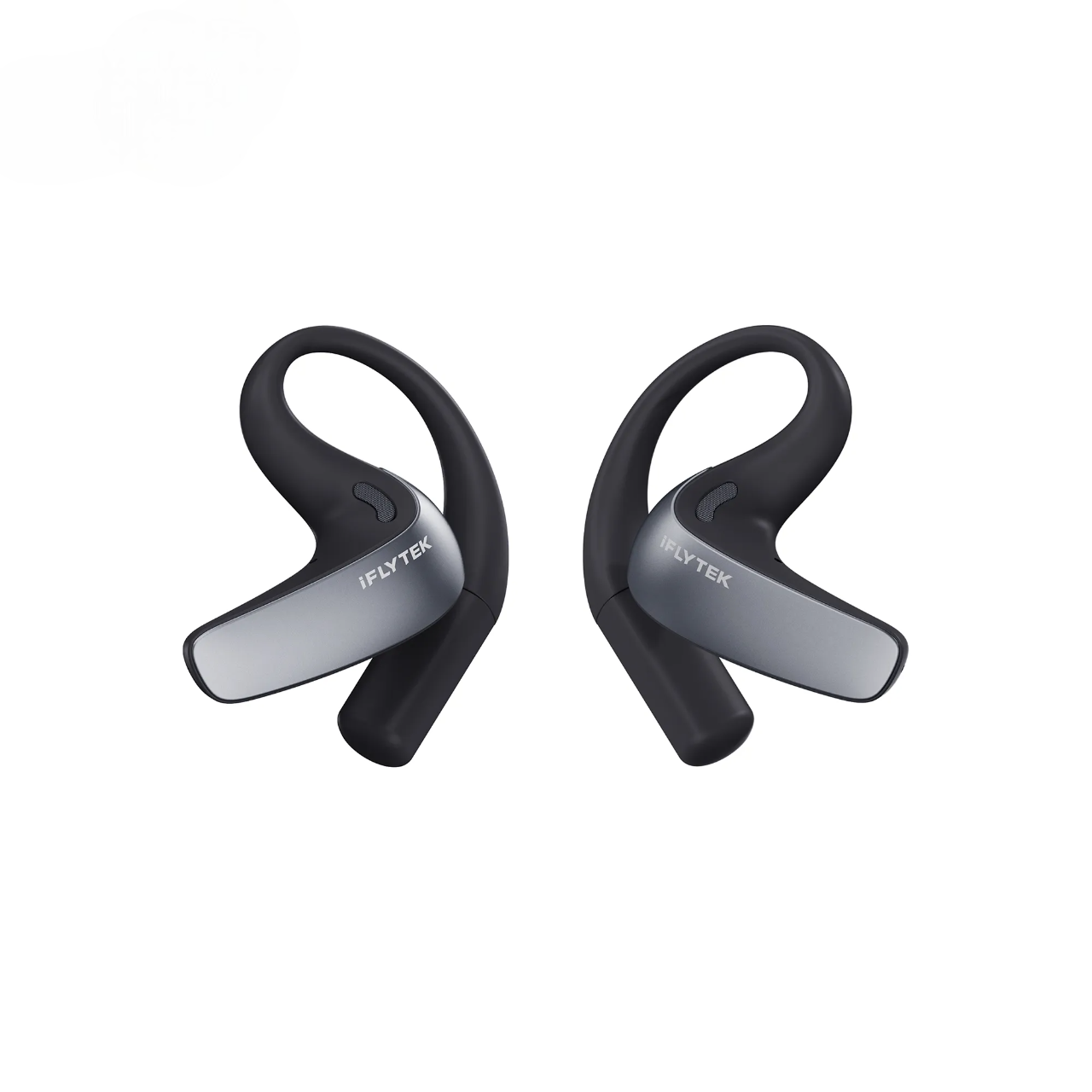
iFLYTEK Smart Recorder is not just a voice recorder but also offers real-time transcription. While you practice with TOEFL materials or real lectures, it automatically converts speech into text. This means you can focus on listening, compare your notes with the transcript to improve accuracy, and review difficult sections multiple times without losing track. Here are the specific reasons for recommending this product to TOEFL candidates.
Never Miss a Word: 10m crystal-clear recording ensures TOEFL listening details are captured with AI noise reduction.
Instant Notes: Offline transcription in 5 languages turns listening material into accurate notes anytime.
Smart Review Made Easy: AI editing delivers clean, structured transcripts, so you can focus on mastering TOEFL listening.

iFLYTEK Smart Recorder Pro Helps You Expand More Listening Scenarios
iFLYTEK Smart Recorder Pro helps students tackle TOEFL listening in lectures, conversations, and academic talks, adapting to diverse recording materials. Its custom modes and noise reduction ensure clear audio in any setting, while instant multilingual transcription makes reviewing complex content faster and more accurate. The following specific advantages will provide students with more specialized records.
Customized Recording Modes
The recorder offers four modes, including meeting, lecture, interview, and discussion, allowing TOEFL students to optimize listening quality in different study scenarios.
Crystal-Clear Transcription
The VF1.0 noise reduction algorithm instantly converts audio into text with high clarity, ensuring students capture every TOEFL lecture detail.
Long-Range Capture
The 50-axis directional microphone plus 2 omnidirectional mics record voices up to 6 feet, making it ideal for large TOEFL classrooms.
iFLYTEK Smart Dictionary Pen Helps You Learn Words and Pronunciation
Preparing for TOEFL listening can be tough when you encounter new words or unclear pronunciation. iFLYTEK Smart Dictionary Pen gives the solution. Imagine practicing with past TOEFL listening materials: whenever you encounter a word you don’t fully understand, simply scan it with the pen to get the meaning and pronunciation on the spot. Here are some key reasons why it’s a great tool for TOEFL listening prep.
Instant Word Support: Quickly scan unfamiliar words in TOEFL listening practice to see meanings, hear pronunciations, and learn in context, without interrupting study flow.
Seamless Vocabulary Building: Scan textbooks, transcripts, and practice tests anytime, making it easier to expand listening vocabulary and reinforce understanding.
Study Anytime, Anywhere: With offline lookup, you can review words and practice pronunciation in the library, at a cafe, or even on a plane.
How Do You Combine These Tools With Proven Listening Strategies?
Practice makes perfect. The combination of tools and daily practice is the only way to improve listening skills. Smart devices like iFLYTEK become even more powerful when paired with classic TOEFL strategies. Ear training can be achieved by integrating various spoken English materials to boost your sense of the language. Here’s how you can integrate them:
Use TPOs and Academic Lectures for Real Practice
TPOs (TOEFL Practice Online tests) are the most authentic practice materials. Combine them with YouTube lectures, TED Talks, or open course materials to expose yourself to real academic English.
Use Transcripts for Error Tracking
After recording and transcribing, highlight the sentences you misunderstood. Compare them with the audio and note patterns of mistakes to avoid repeating them.
Build Your Own Listening Vocabulary Bank
Every time you meet a new academic word, note it down with the topic it belongs to (e.g., “geology – sedimentary rocks”). Over time, you’ll have a personalized word list that mirrors the topics TOEFL often uses.
Summary
So, is TOEFL Listening hard? Yes, but it doesn’t have to be impossible. The biggest challenges are fast speech, different accents, academic vocabulary, and note-taking struggles. But with steady practice and smart tools like theiFLYTEK Smart Recorder, you’ll soon find TOEFL Listening much more manageable.
Remember: it’s not about understanding every single word, but about catching main ideas, supporting details, and overall structure. With focus, tools, and practice, you can master this section and boost your TOEFL score.
FAQs
How many times can I listen to the audio in TOEFL?
Only once. That’s why effective note-taking and focused listening are critical.
Can I use a recorder or translator during the actual TOEFL exam?
No, electronic devices are not allowed. But you can use tools like iFLYTEK for practice and preparation before the test.
How long is the TOEFL Listening section?
It lasts 41–57 minutes, depending on the number of lectures and conversations.
What’s the best way to improve TOEFL Listening fast?
Listen to academic lectures daily, practice with TPOs, review your mistakes, and use smart tools to handle vocabulary and note-taking.
Read More:
Best Translator Device Without Internet (2025 Guide)